
January 10, 2026 — A new leak suggests Xiaomi is testing a Redmi performance flagship with a built-in cooling fan—and, unusually, it may still carry full IP68 dust and water resistance. If accurate, it could be one of the most ambitious attempts yet to bring gaming-phone thermal tech into a mainstream “flagship killer” design, while also chasing the next big trend: giant 8,000mAh-class batteries. PhoneArena
What’s being reported today
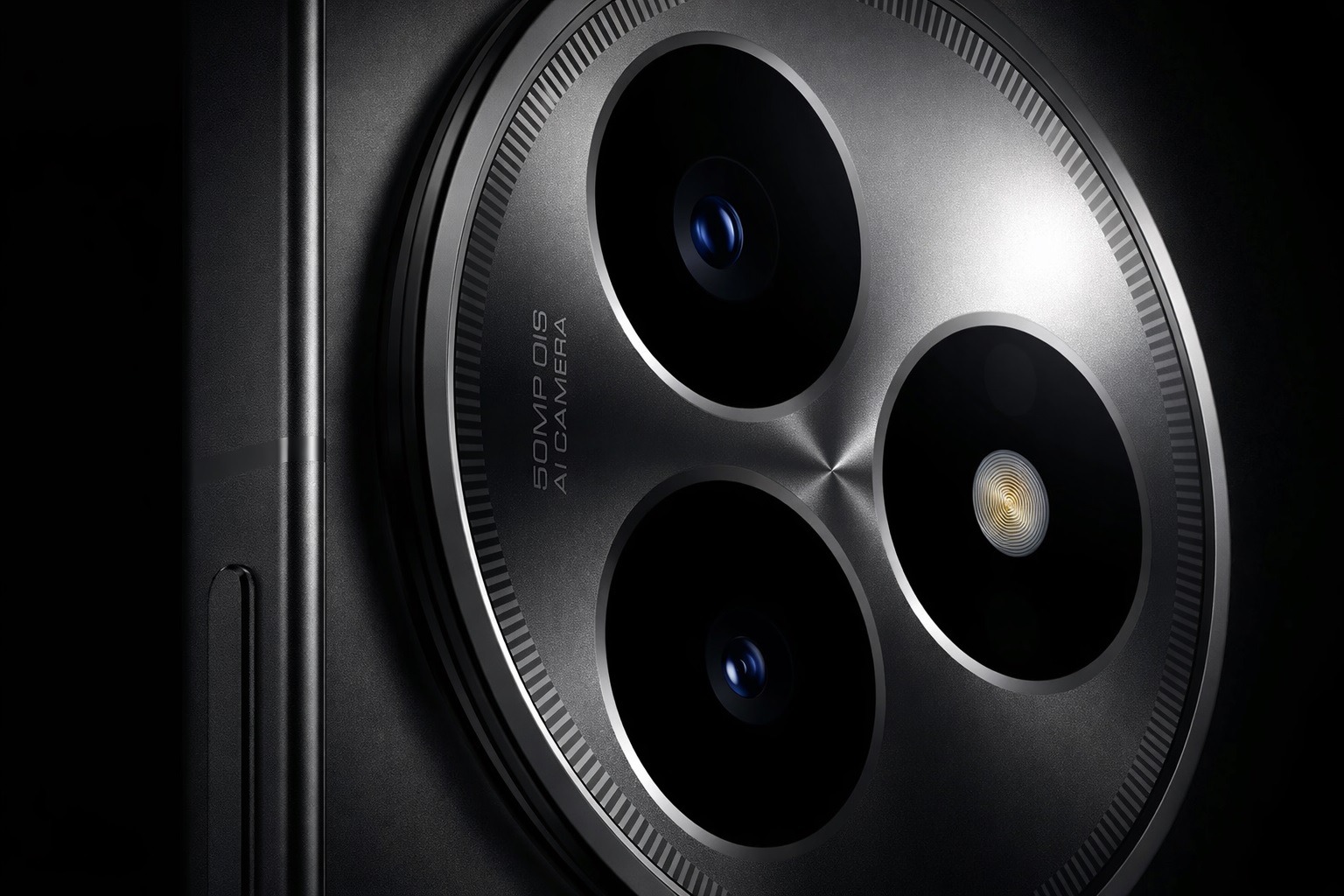
Multiple outlets are pointing to the same origin: a claim attributed to well-known Weibo leaker Digital Chat Station. The gist is that a Xiaomi sub-brand (widely interpreted as Redmi) is testing an engineering prototype powered by MediaTek’s Dimensity 9500, and that prototype reportedly includes a physical internal cooling fan integrated into the camera “deco” / camera island area. PhoneArena
That alone wouldn’t be shocking—active cooling fans have long been a hallmark of niche gaming phones. The headline twist is this: the prototype is also said to support IP68-rated dust and water resistance, despite the added complexity of moving parts and airflow requirements.
The rumored device: likely Redmi K90 Ultra (or K90 “Supreme/Extreme” edition)
While Xiaomi hasn’t confirmed anything publicly, several reports converge on the same likely identity: Redmi K90 Ultra (also described in some Chinese coverage as the K90 “至尊版,” often translated as “Supreme” or “Extreme” edition). PhoneArena
That would fit Redmi’s usual cadence, where the main K-series launches first and a later “Ultra/Supreme” performance variant follows, typically focusing on sustained performance, thermals, and gaming features. A Chinese report syndicated on Sina also explicitly frames the K90 “Supreme” as the performance-focused model. Sina Finance
Key rumored specs (so far)
Here’s what today’s coverage collectively suggests—all unconfirmed, and best treated as an early prototype snapshot rather than final retail specs:
- Active cooling fan inside the phone, reportedly placed in the camera module (“deco”) area PhoneArena
- IP68 dust and water resistance even with the fan
- MediaTek Dimensity 9500 chipset (often referenced as “D9500”) PhoneArena
- 1.5K display with an “ultra-high” refresh rate PhoneArena
- One report repeats earlier claims of a 6.8-inch LTPS OLED at 165Hz
- A potential battery over 8,000mAh
- Mentions of a metal frame and ultrasonic under-display fingerprint scanner (in the “earlier report” chain) Gagadget
Just as important as the features listed is where the fan is said to live: both English and Chinese reports emphasize the camera island as the integration point. That could be an attempt to keep the rest of the chassis clean and preserve a more “normal flagship” look while still building dedicated intake/exhaust paths internally. PhoneArena
Why a built-in fan matters in 2026
Modern flagship chipsets can be extremely fast in short bursts, but gaming, AI workloads, video recording, and long camera sessions all stress thermals for extended periods. When temperatures rise, phones typically throttle performance to protect the chip and battery—meaning frame rates drop, touch response can feel inconsistent, and sustained benchmarks fall off.
A fan adds active convection to the usual passive stack (vapor chamber + graphite + thermal gels), helping move heat away faster and keep performance steadier under load. Chinese coverage today frames this as the next “industry wind direction,” especially as mobile gaming and high-refresh displays keep pushing thermal limits. Sina Finance
The real engineering challenge: IP68 + airflow
Here’s where this rumor gets interesting—and tricky.
Most fan-cooled phones need vents. Vents are naturally at odds with high water/dust ratings because they create pathways for ingress. A review of another fan-equipped device even notes that adding a fan typically prevents achieving full IP68/IP69 water resistance, underscoring why this Redmi leak is raising eyebrows.
So how could Redmi do it?
One explanation circulating in coverage is the idea of specialized membranes or a maze-like internal structure that allows airflow while blocking water intrusion. Gizchina specifically floats this “membrane/labyrinth” approach as a plausible route to maintaining IP68 while still allowing an air path for the fan. Gizchina
To be clear: none of this is confirmed by Xiaomi. But the concept aligns with how other electronics handle pressure equalization and liquid resistance—just taken to a more extreme level, because a fan implies actual moving air, not just a sealed pressure vent.
Why the camera island is the logical place for a fan
If you had to put a fan in a phone without turning it into a gamer-looking brick, the camera island is a reasonable candidate:
- It’s already a thicker zone, so it can house extra hardware
- It can be isolated with additional sealing layers
- It’s near hotspots (SoC location varies, but heat spreaders often route toward larger internal surfaces)
- It allows manufacturers to hide intake/exhaust design cues without punching obvious holes into the mid-frame
That’s consistent with today’s reporting that the fan sits within the camera “deco” area. PhoneArena
The other headline: an 8,000mAh+ battery could be part of the package
Alongside active cooling, one of the most attention-grabbing claims is a battery over 8,000mAh. Gagadget repeats this as part of the “earlier reported” spec trail, and CNMO also references an “over 8,000mAh” cell in prior leaks about the same model. Gagadget
This is also happening in a broader industry moment where battery capacities are climbing quickly, helped by newer chemistries like silicon-carbon anodes. Android Central recently argued that crossing 8,000mAh is a realistic direction for 2026 devices specifically because of silicon-carbon advances.
Put those trends together and the pitch becomes clearer:
- Big battery enables longer gaming sessions and sustained performance modes
- Active cooling helps the chipset run harder for longer without aggressive throttling
- High-refresh 1.5K display targets the gaming/performance crowd
Active cooling is spreading beyond gaming phones
PhoneArena frames this as a growing pattern among Chinese manufacturers, pointing to other fan-equipped devices and rumors of more brands joining in.
Additional coverage similarly positions Honor and iQOO among brands leaning into “performance flagship” positioning where active cooling becomes a differentiator. XiaomiTime
If Redmi really manages IP68 alongside a fan, it could remove one of the biggest compromises that kept active cooling largely confined to gaming-focused designs.
What to watch next
Because this story is still leak-driven, the next meaningful milestones will likely be:
- Regulatory/certification hints (especially anything suggesting IP rating confirmation)
- More reliable component/teardown-style leaks showing airflow paths or fan placement
- Xiaomi/Redmi teasers if the device is nearing launch
As for timing, today’s reporting suggests the phone is expected to appear in China sometime in 2026, and Chinese coverage implies a “later” performance-variant release pattern. Gagadget
Bottom line
As of January 10, 2026, the most consistent story across current reports is this: Redmi is testing a Dimensity 9500-powered performance flagship with a built-in fan placed in the camera module area, and it may still carry IP68 water/dust protection—potentially alongside an 8,000mAh+ battery and a 1.5K high-refresh display.
If it ships as described, it won’t just be “a phone with a fan.” It would signal that 2026 performance phones are trying to merge three things that rarely coexist cleanly: sustained flagship performance, true durability, and all-day endurance.