
- Apple and Google say the next generation of Apple Foundation Models will be based on Google’s Gemini models and cloud technology.
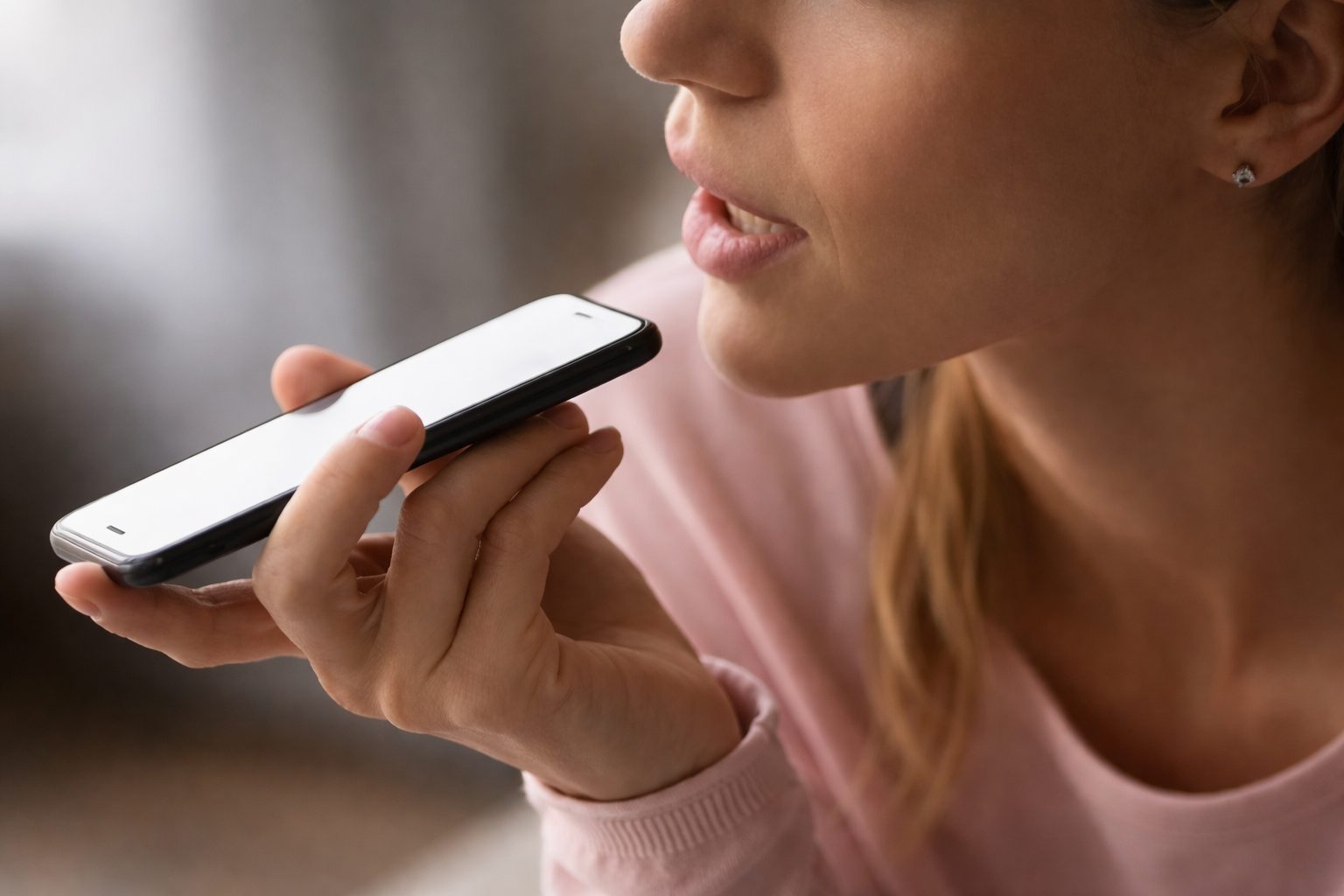
- The companies say those models will power future Apple Intelligence features, including a “more personalized Siri” coming later this year. Blog
- Reuters reported the financial terms weren’t disclosed, and analysts expect OpenAI’s ChatGPT to remain an opt-in option for tougher queries rather than Siri’s default engine.
Apple is leaning on Google to power its next big Siri upgrade, signing a multi-year collaboration that puts Google’s Gemini AI models under Apple’s “Foundation Models” stack. The companies disclosed the partnership Monday, January 12. Blog
This matters because Siri isn’t a side app — it’s the default assistant across iPhone, iPad, Mac, Watch, and CarPlay. Changing what sits behind it changes what hundreds of millions of people will bump into every day, whether they asked for “AI” or not. Reuters
It also lands at an awkward moment for Apple’s own AI story. Reuters noted Apple has faced delays and leadership churn tied to Siri’s upgrade, with the company’s early generative AI rollout getting a mixed reception.
In a joint statement posted on Google’s site, the companies said “the next generation of Apple Foundation Models will be based on Google’s Gemini models and cloud technology,” and that those models will help power Apple Intelligence features, including “a more personalized Siri.” Blog
Apple and Google also tried to draw a line around data and privacy. In the same statement, they said Apple Intelligence will “continue to run on Apple devices and Private Cloud Compute,” while maintaining Apple’s privacy standards. Blog
So what changes in Siri? The Information reported that, with Gemini powering answers, Siri will be able to handle more general knowledge questions, generate stories, and even offer “emotional support” style responses — closer to what people expect from a chatbot than the older command-and-control Siri. The Information
The OpenAI angle isn’t going away, but it’s clearly being rearranged. Reuters pointed out Apple rolled out ChatGPT integration in late 2024, letting Siri tap ChatGPT to answer more complicated questions, and said Apple described no major changes to that setup at the time of the Gemini announcement.
Analyst Parth Talsania of Equisights Research told Reuters the Gemini move pushes OpenAI into more of a supporting role, with ChatGPT positioned for “complex, opt-in queries” instead of being the default layer behind Siri. Reuters
For Google, the distribution is the point. Reuters noted Gemini already powers much of Samsung’s “Galaxy AI,” but Apple’s installed base — more than two billion active devices — is a different scale. Reuters
The market read it as a win: Reuters reported Alphabet’s valuation moved above $4 trillion after the deal was announced.
Still, it’s hard to separate this from the long Apple–Google partnership regulators already watch. Reuters flagged that the new agreement stacks on top of the existing deal that makes Google the default search engine on Apple devices — a relationship that drives traffic to Google and brings Apple “tens of billions” in annual revenue. Reuters
There’s also a political and competitive backlash brewing in plain sight. Tesla CEO Elon Musk posted that the arrangement looks like an “unreasonable concentration of power” for Google, pointing to Google’s control of Android and Chrome. Reuters
The big uncertainty is how “Gemini models and cloud technology” actually show up in day-to-day Siri use. Apple and Google are promising privacy and on-device processing, but the boundary between what runs locally, what runs on Apple’s cloud, and what runs on Google infrastructure will matter — for latency, for costs, and for trust — and the announcement didn’t spell out that split. Blog
Next up is execution: Apple has to ship the revamped Siri later in 2026 and make it feel meaningfully better without surprising users on privacy, while also keeping a coherent story for why ChatGPT is still there — just not in the driver’s seat anymore.