
- SK Hynix announced it will accelerate the launch of its new chip fab in Yongin, moving the opening up to February 2027. The company also plans to begin wafer production at the new M15X facility next month, aiming to boost output of high-bandwidth memory tailored for AI applications.
- Nothing CEO Carl Pei warns that rising memory costs might push 2026 phones to either carry higher prices or come with reduced specs.
- Memory and storage stocks have attracted a surge of retail investors, fueled by AI-related supply constraints driving prices higher.
SK Hynix is fast-tracking its memory expansion by moving up the launch of its first fab in Yongin to February 2027. The company will also kick off wafer processing at its new M15X facility next month to ramp up production of high-bandwidth memory (HBM), the ultra-fast memory crucial for AI servers. A senior executive explained this move responds to soaring demand from the AI surge, which is straining supplies and driving up prices throughout the electronics supply chain.
Memory has stepped out of the background and become a key bottleneck. Without enough of it, scaling AI servers isn’t possible, and consumer devices risk losing their familiar price points.
Gadget makers long relied on a simple principle: parts become cheaper every year, despite growing complexity. But memory has upended that assumption, pushing prices up and forcing tough choices about what stays or goes to keep costs down.
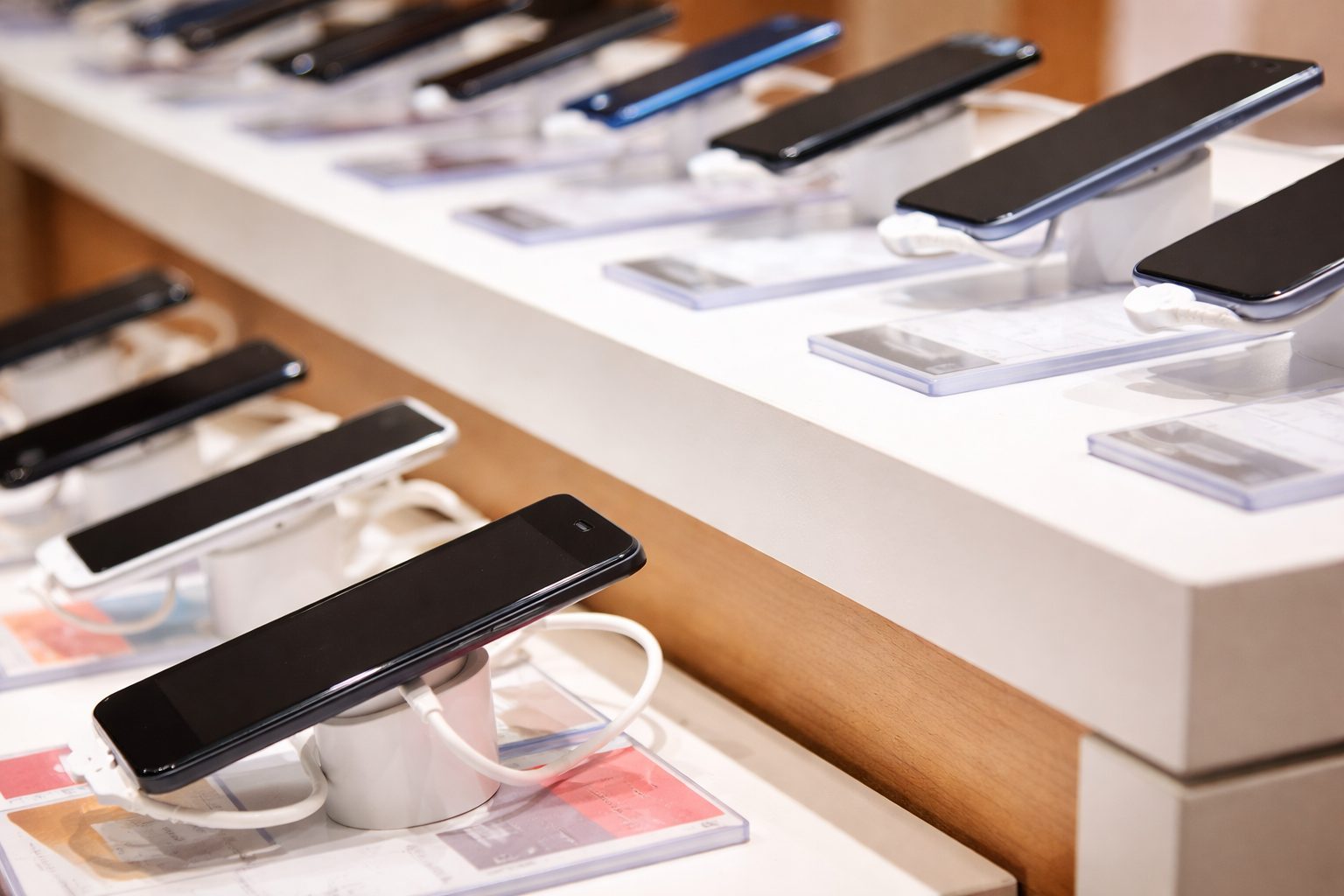
Smartphone makers are now openly addressing the squeeze on prices. Carl Pei, CEO of UK-based Nothing, pointed out that the AI boom is fueling a sharp rise in demand and costs for memory chips, with prices in some cases tripling. He warned that by the end of 2026, memory could become the priciest component inside a phone—potentially exceeding $100 per device. This forces brands to weigh hefty price hikes of over 30% against shipping phones with lower specs, particularly affecting entry-level and mid-tier models.
If that happens, it’s more than just “phones costing more.” It shifts the whole competitive landscape. Constant spec upgrades become tougher to defend when the bill of materials suddenly reverses a trend that held for ten years.
Money is already shifting. According to a Reuters report, retail traders are snapping up memory and data-storage stocks as the AI infrastructure surge tightens supply and drives prices higher. Samsung co-CEO TM Roh described the shortage as “unprecedented.” SanDisk saw over $7.1 million in retail inflows in just one day, with Western Digital and Seagate also attracting significant early January inflows. Micron’s shares climbed in early 2026 after a strong 2025. Reuters
This kind of retail frenzy isn’t exactly a prediction, but it sends a clear message: many expect the crunch to continue. When buyers begin seeking multi-year supply agreements, it shifts the tone away from the typical “we’ll revisit terms next year” approach.
Consumers might notice a subtle shift initially. While prices won’t skyrocket on every device right away, brands can quietly reduce memory while keeping the price the same—no changes to the product’s exterior needed.
Interestingly, a uniform specs landscape benefits certain companies: software, design, and long-term support emerge as key differentiators — elements that don’t fit into a single screenshot comparison.
The main question remains when this will happen. Setting up new fabs and production lines doesn’t translate into immediate output, and memory markets often shift quickly from shortage to oversupply if demand drops sooner than anticipated.
If AI investments continue strong, prices are likely to remain high, forcing phone manufacturers into tough compromises. But if expansion slows down—or supply grows faster than anticipated—the current “memory crisis” story could fade fast, pushing prices to adjust once more.