
SAN FRANCISCO, Jan 17, 2026, 00:02 PST
- Analyst Jeff Pu has laid out predicted specifications for both a foldable iPhone and the iPhone 18 Pro models set to arrive in 2026, according to reports.
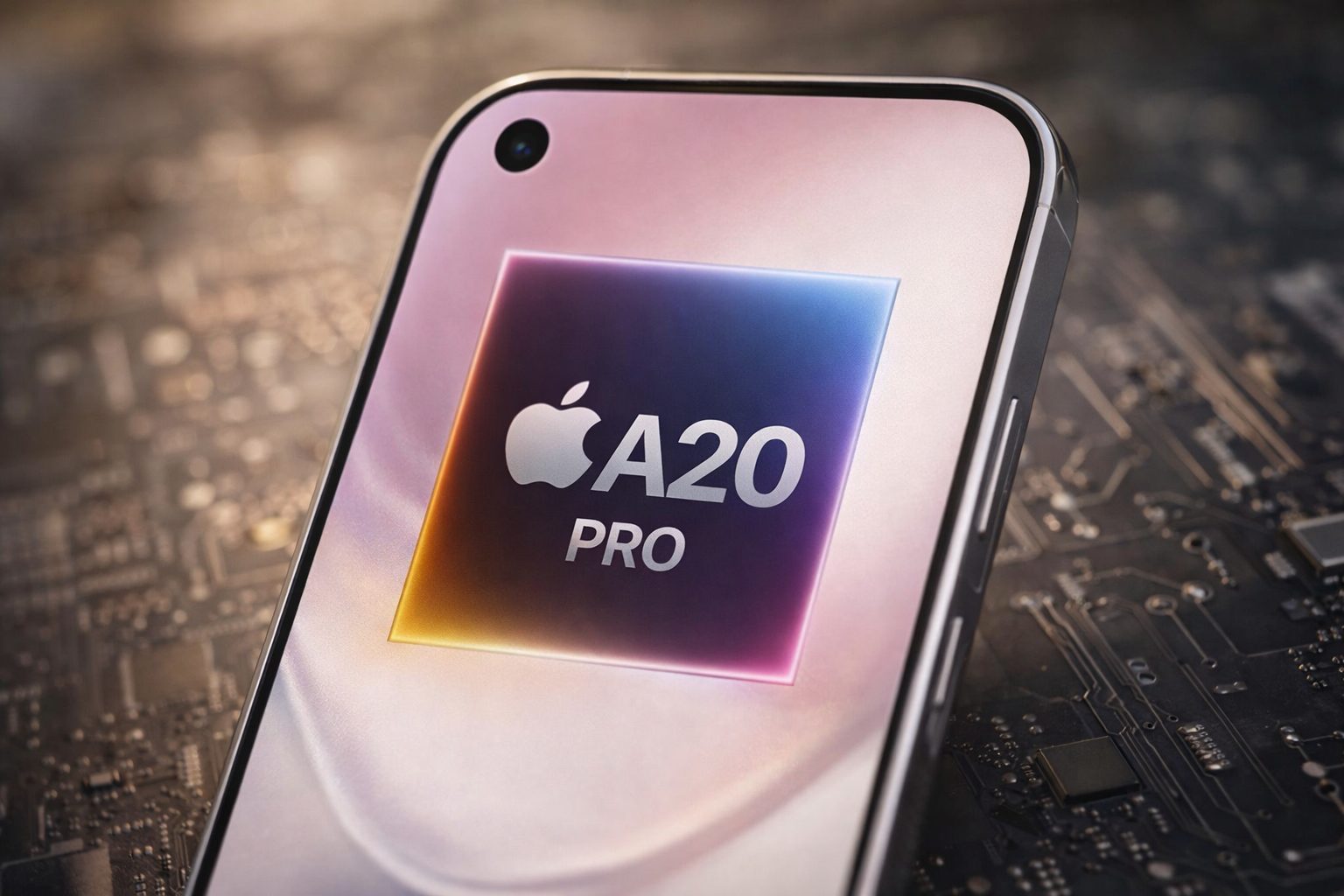
- The A20 Pro chip is expected to shift to a 2-nanometer process, featuring new packaging that might alter the way memory integrates with the processor.
- Reports differ, but some suggest the iPhone 18 Pro will feature a redesigned display.
Analyst Jeff Pu shared anticipated specs for Apple’s 2026 iPhone 18 Pro lineup along with a foldable iPhone, revealing a new A20 Pro chip and a shift to Touch ID fingerprint unlocking on the foldable model, according to AppleInsider.
This discussion is significant since Apple hasn’t released a foldable phone yet, ceding that premium segment to Samsung Electronics and various Android manufacturers. Introducing a foldable iPhone would put demand to the test in the high-end market, where prices keep rising even as consumers hold onto their devices for longer periods.
The chip angle is impossible to overlook. Should Apple switch to a new manufacturing node combined with denser packaging, it might be aiming for extra capacity to support AI features running directly on the device, instead of relying on cloud-based servers.
Pu predicts global smartphone shipments will drop 4% in 2026, mainly because memory costs are squeezing a sluggish market, especially hitting Android’s low-to-mid tier. However, he expects iPhone shipments to rise 2% to 250 million units, boosting Apple’s market share to 21%, 9to5Mac reported. His spec sheet includes a foldable iPhone featuring a 7.8-inch internal screen, a 5.3-inch outer display, and Touch ID. The iPhone 18 Pro and Pro Max are said to sport 6.3-inch and 6.9-inch displays with a smaller Dynamic Island cutout—the pill-shaped area Apple uses for camera and sensor alerts.
Wccftech reported that Pu’s note highlighted two key upgrades inside the A20 Pro: first, a move to wafer-level multi-chip module (WMCM) packaging, which integrates multiple chips into a single package; second, the introduction of new “super-high-performance metal-insulator-metal” capacitors in the power system. According to the site, these capacitors could more than double capacitance density while slashing certain resistances by roughly 50%, improvements that boost power stability and efficiency. Wccftech
Gadget Hacks, in another report, claimed the iPhone 18 Pro models might ditch the Dynamic Island altogether, swapping it for under-display Face ID—a more radical overhaul than Pu’s chart indicates. They also highlighted variable aperture on the main camera as a major upgrade, allowing the lens opening to adjust for better light control.
In the competitive arena, a foldable iPhone would join a field dominated by Samsung’s Galaxy Z Fold series and emerging Chinese contenders, where issues like hardware durability and noticeable screen creases remain widespread gripes. Apple’s rumored decision to include Touch ID instead of Face ID on the foldable suggests the challenges involved in integrating Face ID hardware into a flexible form factor.
Some terms in the reports might sound odd, but the concept is straightforward. “N2” stands for TSMC’s 2-nanometer process, which means tinier transistors packed more densely on the chip. WMCM lets manufacturers fit more components into a compact module. Meanwhile, a “periscope” camera employs folded optics to boost zoom capabilities without increasing the phone’s thickness.
None of this is set in stone. Apple hasn’t revealed any foldable iPhone or details on the iPhone 18 series yet, and their plans might change if suppliers run into yield issues, costs fluctuate, or manufacturing a new design at scale turns out tougher than expected. Moving to 2-nanometer production and adopting new packaging methods could squeeze supply initially and drive prices up—especially if memory prices continue climbing.
At this point, it’s mostly specs and supply-chain chatter. If Apple follows its typical pattern, we won’t hear about actual shipments for several months.