
SAN FRANCISCO, Jan 18, 2026, 02:24 (PST)
- Leaks and analyst reports indicate Apple could launch a foldable iPhone with the iPhone 18 Pro series in 2026
- Reports suggest a staggered release plan that might push the standard iPhone 18 launch back to 2027
- Early leaks are pointing to Samsung’s Galaxy S26 name and release schedule.
Apple plans to launch just the iPhone 18 Pro models in fall 2026, while the regular iPhone 18 might arrive in spring 2027, according to Tom’s Guide on Sunday. Tom’s Guide This delay could hand Samsung an early advantage with its Galaxy S26 series, targeting flagship buyers before Apple’s full lineup hits the market.
If Apple breaks up the schedule, it reshapes what “iPhone season” means for carriers and competitors who time their launches accordingly. This shift would also emphasize premium models, just as manufacturers push prices higher to counteract slower unit sales.
A foldable iPhone would push things even further. Apple has been observing Samsung and others refine folding screens for years. Jumping in now would challenge Apple to prove the form factor can move beyond niche appeal and become a mainstream upgrade.
Analyst Jeff Pu recently noted in an investor report that global smartphone shipments might decline next year, citing the impact of rising memory costs and weak demand—particularly hitting Android’s low-to-mid tier sales. In that same report, Pu outlined specs for a rumored foldable “iPhone Fold”: a 7.8-inch internal screen paired with a 5.3-inch external display, and a shift from Face ID to Touch ID for biometric unlocking. 9to5Mac
Macworld, referencing Pu’s note, reported that the specs align with previous leaks and highlighted the device’s use of Apple’s upcoming A20 Pro chip alongside a new “C2” modem. They also mentioned a shift to a 2-nanometer manufacturing process, a newer chipmaking generation generally designed to enhance performance and reduce power consumption. Macworld
Tom’s Guide shared the same rumored spec sheet, suggesting Apple’s first foldable would compete directly with Samsung’s Galaxy Z Fold series. The report highlights dual 48-megapixel rear cameras and 18-megapixel front cameras that work both folded and unfolded. Pricing remains a big question mark, though some leaks hint at a price tag well over $2,000.
According to Android Central, a promotional PDF on Samsung’s Colombian site hints that the upcoming lineup will continue using the “Galaxy S26” branding, including both “Plus” and “Ultra” variants. Rumors suggest the launch could happen in late February, with the phones hitting shelves in early March. Android Central
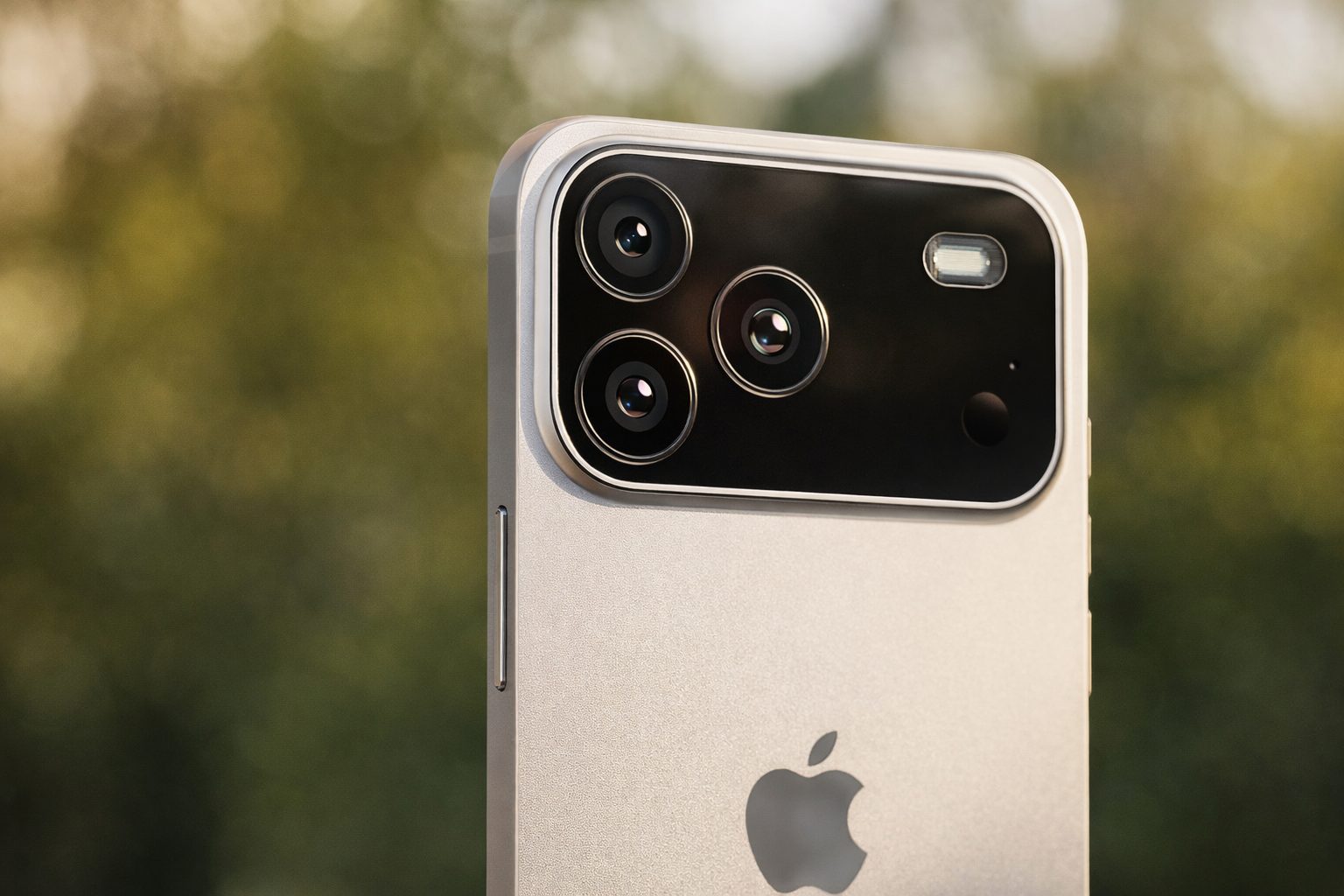
The Times of India reported that the iPhone 18 Pro models might feature triple 48-megapixel rear cameras. This setup could include a “variable aperture” main lens, which adjusts its opening to control light, alongside a periscope-style zoom lens. The report also mentioned “WMCM” packaging, a method of placing memory closer to the processor, supporting Apple’s drive to enhance on-device AI capabilities. The Times of India
Timelines and specs are still up in the air, with Apple yet to officially unveil a foldable iPhone. Designing foldables means tackling extra challenges like hinges, screen creases, and durability. Even minor tweaks in component availability could easily alter launch dates or pricing.
Samsung’s launch calendar and supply-chain clues tied to Apple’s 2026 lineup are probably the next solid indicators to watch. If Apple really goes through with a staggered iPhone release, it would mark one of the most significant shifts in their product timing in years.