
LAS VEGAS, Jan 18, 2026, 03:27 (PST)
- Infinix claims its upcoming Note 60 series will introduce two-way satellite voice and messaging, covering a wide geographic area
- Samsung is integrating satellite voice functionality into its Exynos Modem 5410, expanding satellite communication beyond just SOS texts
- How widely these services take off will hinge on pricing, carrier deals, and regulatory approvals
On Jan. 16, Infinix announced that its forthcoming Note 60 smartphones will feature two-way satellite voice and messaging, expanding satellite connectivity further into consumer devices. According to the company, the system will seamlessly toggle between terrestrial and satellite networks, providing coverage over nearly two-thirds of the planet’s surface.
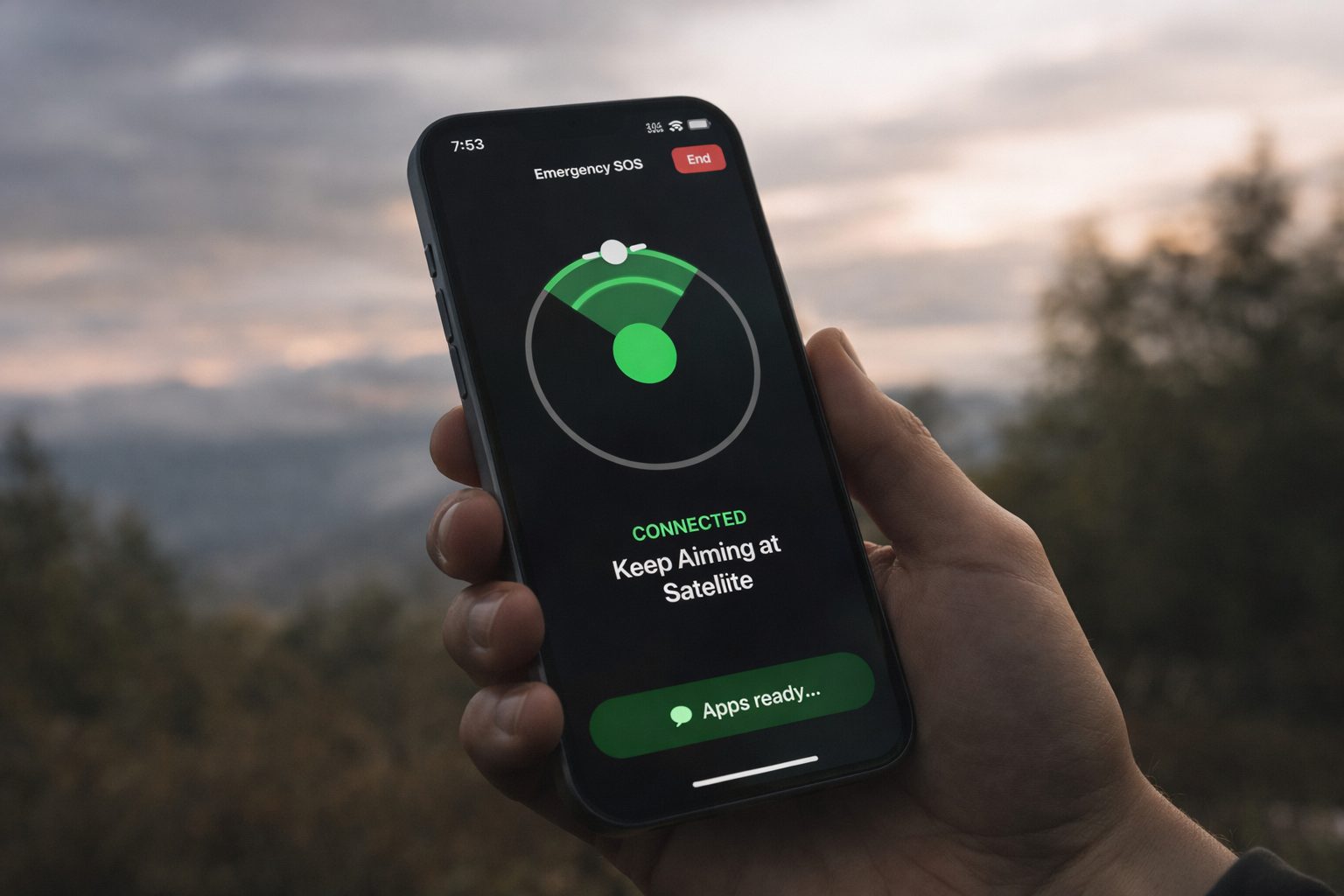
This change marks a shift in 2026, positioning satellite features not just as emergency fallbacks but edging toward regular backup connectivity. Up until now, Apple and leading Android manufacturers mostly confined satellite functions to brief, controlled emergency texting.
This is crucial today as phone manufacturers and carriers look to fill coverage holes without erecting towers at every turn. Simply being able to call or text without a signal can reshape travel, rural work, and how folks manage when storms or disasters take down terrestrial networks.
Infinix describes its satellite feature as “always-on,” running quietly in the background rather than activating only in emergencies. In a Jan. 6 statement during CES, the company noted its satellite link offers 4 kbps transmission—sufficient for voice calls and brief messages—and works without extra registration, seamlessly switching between roaming and satellite connections. PR Newswire
Samsung has been expanding its hardware capabilities beyond just texting. The Exynos Modem 5410 supports three satellite network types, including LTE direct-to-cell—a cellular-style connection that can handle voice calls—plus non-terrestrial network standards designed for basic texting, location sharing, and even higher-bandwidth uses like video.
Samsung hasn’t specified which devices will come equipped with the modem or where satellite services will be activated. Even if a phone has the necessary hardware, satellite features usually depend on carrier backing and regional regulations around spectrum use and emergency protocols.
Different strategies compete in this space. Some providers rely on partnerships between carriers and satellite networks, while others embed the technology directly into devices. Skylo, which offers satellite connectivity for certain Android models, advocates a hybrid method. Tarun Gupta, co-founder and chief product officer at Skylo, highlighted that users can “communicate over satellite when out of Wi‑Fi or cellular coverage.” Fierce Network
Carriers have already started heading that way, at least with texting. Verizon announced in a 2025 statement that select Samsung Galaxy S25 and Google Pixel 9 users will be able to send texts over satellite when out of cellular range. Executive Joe Russo emphasized that the goal is to keep customers connected “wherever they are.” Verizon
Yet the drawbacks are undeniable. Satellite connections can quickly drain your battery, require an unobstructed sky view, and frequently suffer from lag and inconsistent call quality. Weather conditions and terrain may disrupt the signal altogether. Pricing remains unclear, and in numerous countries, regulators and carriers will control which features are enabled—and the timing of their rollout.
Infinix hasn’t shared pricing or a launch date yet for the Note 60 series’ satellite service, and Samsung hasn’t announced any plans to bring satellite voice to consumers. The real question now is if “no signal” can actually turn into “enough signal” to make a call or send a text—without ending up as just another feature that looks good in theory but fails in practice.