
SAN FRANCISCO, Jan 19, 2026, 01:55 PST
- Leaked renders in a video point to a smaller iPhone 18 Pro front cutout, with some Face ID sensors said to move under the display.
- Separate reports say Apple could keep the “Dynamic Island” as a software feature even if hardware cutouts shrink.
- An analyst note cited by Apple-focused outlets outlines an “iPhone Fold” with a 7.8-inch inner screen and Touch ID.
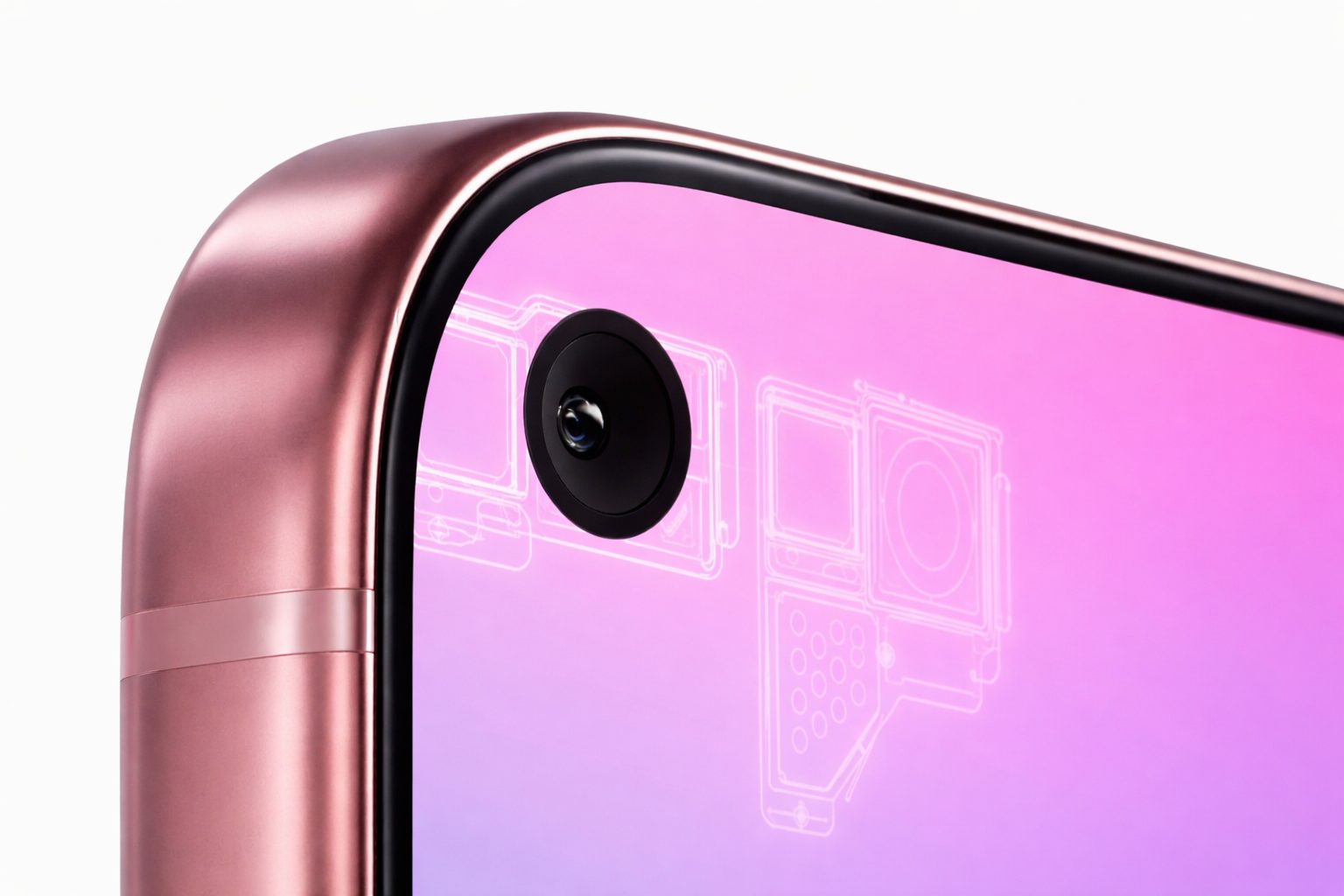
A leaked video showing what it claims are iPhone 18 Pro renders points to Apple shrinking the front cutout to a single hole and moving some Face ID sensors under the display, according to a Financial Express report that cited tech commentator Jon Prosser of Front Page Tech.
The talk matters because Apple has stuck with a visible sensor cutout for years, and even small changes ripple through case makers, carriers and app developers. It is also the kind of feature Apple has tended to hold back until it can ship at scale.
An investor note from analyst Jeff Pu, cited by Apple-focused outlets last week, framed 2026 as a tougher phone market even as Apple tries to push ahead. Pu forecast global smartphone shipments would fall 4% in 2026, “primarily due to memory costs impact amid tepid end-market, especially for Android low-to-mid end sales,” but pegged iPhone shipments at 250 million units, up 2% year on year. 9to5Mac
A separate report by The Economic Times said a leak tied to Weibo tipster Digital Chat Station suggests Apple’s Pro models could shift Face ID — Apple’s facial recognition login — beneath the screen, a move that could remove the need for the current pill-shaped cutout. The report said the “Dynamic Island” — Apple’s name for the cutout and the software strip used for alerts and live updates — might still survive as a software feature even if the hardware changes. The Economic Times
AppleInsider, citing Pu’s spec sheet, said the same 2026 cycle could include an “iPhone Fold” with a 7.8-inch inner display and a 5.3-inch outer screen, and Touch ID — Apple’s fingerprint login — instead of Face ID. It also flagged a common caveat with rumor notes: Pu’s timelines “tend to be too aggressive,” it said. AppleInsider
The spec table cited by those reports lists 12GB of LPDDR5 memory — a low-power phone memory standard — across the premium models, and an “A20 Pro” processor for the Pro and foldable devices. The details have not been confirmed by Apple.
Forbes published a separate report on Sunday pointing to a display leak that it said could bring a noticeably different front look to at least some iPhone 18 models, adding to the steady drumbeat of early 2026 supply-chain and leaker chatter.
If Apple does move to an under-display Face ID layout, it would put the iPhone closer to the hole-punch designs that have become routine on high-end Android phones. A foldable iPhone, meanwhile, would drop Apple into a segment dominated by Samsung and a handful of Chinese brands that have been iterating foldable hardware for several years.
But leaks this far out are messy. Under-display biometrics have been promised and delayed across the industry, and foldable designs raise durability and supply questions that can push timelines around, even late in development.
Apple has not announced an iPhone Fold or an iPhone 18 design change. For now, the most concrete thing is the direction of the rumors: smaller cutouts, more screen, and a lineup that could look less predictable than the usual September refresh.