
BENTONVILLE, Arkansas, Jan 19, 2026, 04:04 CST
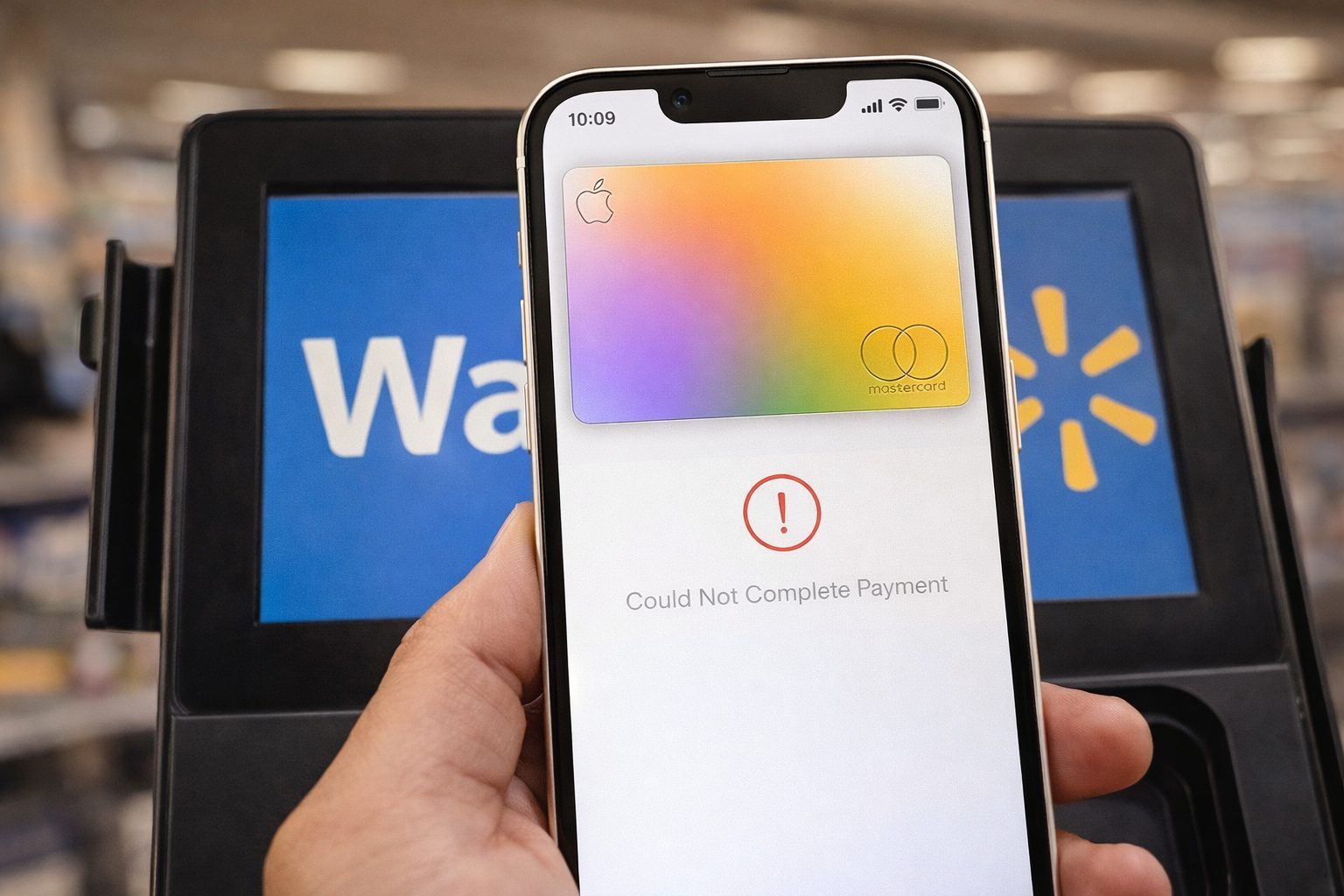
Walmart still does not accept Apple Pay at its U.S. checkouts, and it also blocks other tap-to-pay options that use the same technology, according to an explanation published on Sunday by 9to5Mac. The Apple-focused site said the issue has flared up again on social media, even as most Walmart stores in Canada allow Apple Pay.
The holdout is drawing attention because tap-to-pay has become routine in the United States, from phones to contactless cards. Apple said in 2022 that Apple Pay was already accepted at more than 90% of U.S. retailers, and it runs on near-field communication (NFC), a short-range wireless link between a device and a payment terminal.
Walmart’s decision matters at scale. The company lists 5,207 total U.S. retail units across Walmart U.S. and Sam’s Club as of Oct. 31, 2025, meaning a single payment policy can shape how millions of shoppers pay and which apps they open at the register.
Instead of NFC, Walmart steers customers to Walmart Pay, an in-app system that uses a QR code at checkout rather than a tap. Walmart says Walmart Pay “doesn’t use near-field communication (NFC)” and that a customer’s scan signals Walmart’s servers to approve a purchase. Walmart
In a statement cited by MacRumors, a Walmart spokesperson said the retailer does not accept NFC and pointed to Walmart Pay and its Scan & Go feature as “touchless” alternatives, saying they let some members bypass checkout altogether. MacRumors
Apple has long pitched Apple Pay as privacy-focused. Apple says a user’s actual card number “isn’t shared with the merchant,” and the company says it does not store original card numbers or keep transaction data that can be tied back to a user. Apple
Analysts have framed Walmart’s stance as a mix of cost control and data strategy. “Younger consumers in particular are so used to using Apple Pay and tap-to-pay with their phones that they’re coming to expect it,” EMARKETER principal retail analyst Sky Canaves told Business Insider, while GlobalData retail analyst Neil Saunders said Walmart typically avoids adding cost without a clear customer payoff. Business Insider
The gap is also narrowing with competitors. MacRumors has reported that other large U.S. retailers that once held out — including Home Depot, Lowe’s and Kroger — have moved to accept Apple Pay, leaving Walmart as one of the few remaining major exceptions.
Walmart’s leadership has signaled the decision is tied to keeping shoppers in its ecosystem. Chief Executive Doug McMillon told Stratechery in 2024 that Walmart might support Apple Pay “at some point,” but said the company would like customers to “open our app in the store all the time,” adding that payment is one of the uses it wants the app to serve. Stratechery by Ben Thompson
But the strategy carries risk. If tap-to-pay expectations keep rising, Walmart could face more friction at checkout and more shoppers leaving their carts when they forget a physical card — a small moment that can become a bigger loyalty problem. Walmart also has to weigh any shift against the cost and complexity of turning on NFC across thousands of lanes, and against the value it gets from keeping payments, receipts and shopping behavior tied to its own app.