
SEOUL, Jan 19, 2026, 20:35 (KST)
- New consumer guides spotlight a growing lineup of USB‑C accessories that pull power and data straight from a phone’s port.
- EU rules are steering many devices toward USB-C charging, with laptops set to fall under the requirement by 2026.
- A market report forecasts strong demand for USB Type‑C in South Korea over the next decade.
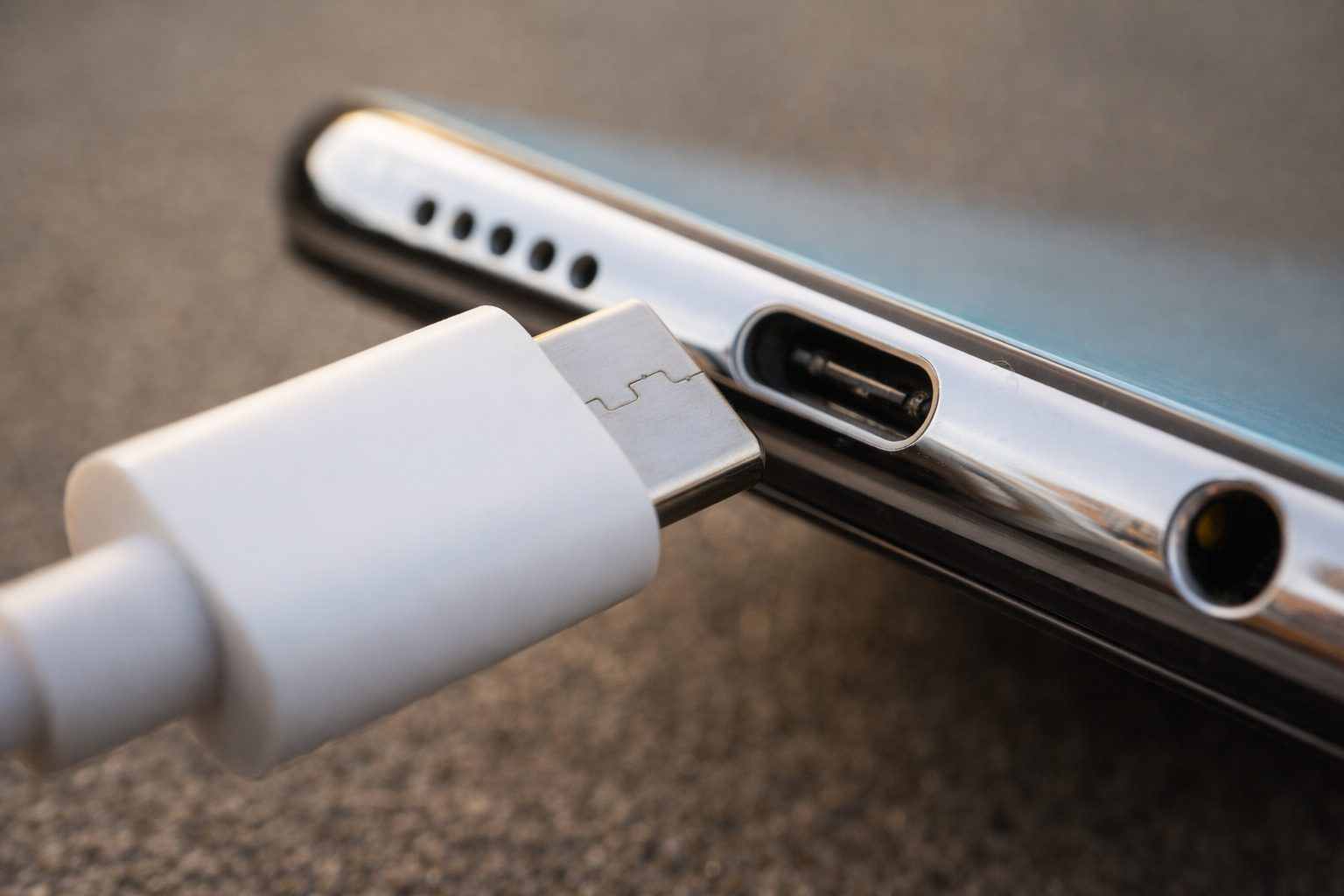
Smartphone USB‑C ports are moving past simple charging roles, as new consumer guides reveal gadgets turning phones into card readers, mics, and even portable fans. Pankil Shah from MakeUseOf pointed out that “most people never use their phone’s USB‑C port for anything other than charging” and might only connect a flash drive at best. MakeUseOf
USB‑C is no longer just a high-end perk. The European Commission now requires all new devices—phones, tablets, headphones, and portable speakers—sold in the EU to come with USB‑C charging. From April 28, 2026, this mandate extends to laptops as well.
Power matters a lot here. USB Power Delivery (USB‑PD)—the protocol that manages power negotiation over USB‑C—has expanded what gear you can run from a single cable. In a 2021 USB‑PD 3.1 update, Brad Saunders, chairman of the USB Promoter Group, pointed out that this upgrade allows bigger devices to “shift from traditional power connectors to USB Type‑C.” Deric Waters, an engineer at Texas Instruments, added that the revision “will help enable additional design opportunities.” audioXpress
Phones aren’t just devices that get charged—they can act as the “host” in a USB connection. USB On‑The‑Go (USB OTG) lets smartphones or tablets switch roles, plugging directly into peripherals such as flash drives, mice, and keyboards, according to Wikipedia. Wikipedia
In a Jan. 17 guide, BGR’s Jorge Luis showcased accessories that leverage these features: an Anker MagGo USB‑C adapter with SD and TF card slots, delivering transfer speeds up to 312 megabytes per second and snapping onto the back of a phone using Apple’s MagSafe magnets; a Puremic USB‑C microphone aimed at creators; a Growalleter charging cable featuring a fold‑out stand and supporting 240W USB‑PD; a Benfei USB‑C audio adapter that keeps the 3.5mm headphone jack, offers pass‑through charging, and includes a built‑in DAC (digital‑to‑analog converter); plus a compact Xnmbcre fan powered via the port.
SlashGear took a closer look at what this change means beyond the usual. USB‑C isn’t limited to charging standard audio and video devices anymore. It’s also capable of powering smaller gadgets—think travel routers and even specialized gear like digital microscopes.
South Korea’s accessory sector is riding a supply-chain tailwind. A Future Market Insights report dated Jan. 16 projects the USB Type‑C market there to reach $0.9 billion by 2026, then leap to $3.7 billion by 2036, with a 14.6% compound annual growth rate. USB Type‑C receptacles are set to lead among product types. The report flags a major hurdle: “the complexity of ensuring full interoperability” between devices. Key players named include STMicroelectronics, Texas Instruments, and Infineon. Future Market Insights
Regulation has shown it can disrupt the market. When EU lawmakers approved the single-charger rule in October 2022, shares of European chipmakers like Apple suppliers STMicro and Infineon rose, Reuters reported. Analysts also flagged that the move might affect other big device makers beyond Apple, including Samsung and Huawei.
The USB‑C scene remains messy in reality. Ports might look the same but differ a lot in charging speed and data performance, and cheap cables often hold things back. A recent DEV Community article stressed that “not all USB‑C cables are equal.” For faster charging, you need USB‑PD 3.1 support and the right E‑marked cables—those with an internal chip that specifies the safe power level—or else charging could slow down or fail entirely.
Consumers see a clear trend, even if the labels don’t make it obvious. As USB-C rules tighten and high-power charging grows more common, plenty of phone users will expect the port to work universally. But “USB-C” alone won’t deliver a consistent experience.