
SAN FRANCISCO, January 20, 2026, 08:51 PST
- Brin reveals that Google has hired “tons” of employees without bachelor’s degrees as it shifts its hiring criteria
- Burning Glass analysis shows that the share of Google job listings requiring a degree fell from 93% in 2017 to 77% in 2022
- As AI handles more coding, tech and finance leaders stress the importance of skills rather than formal credentials
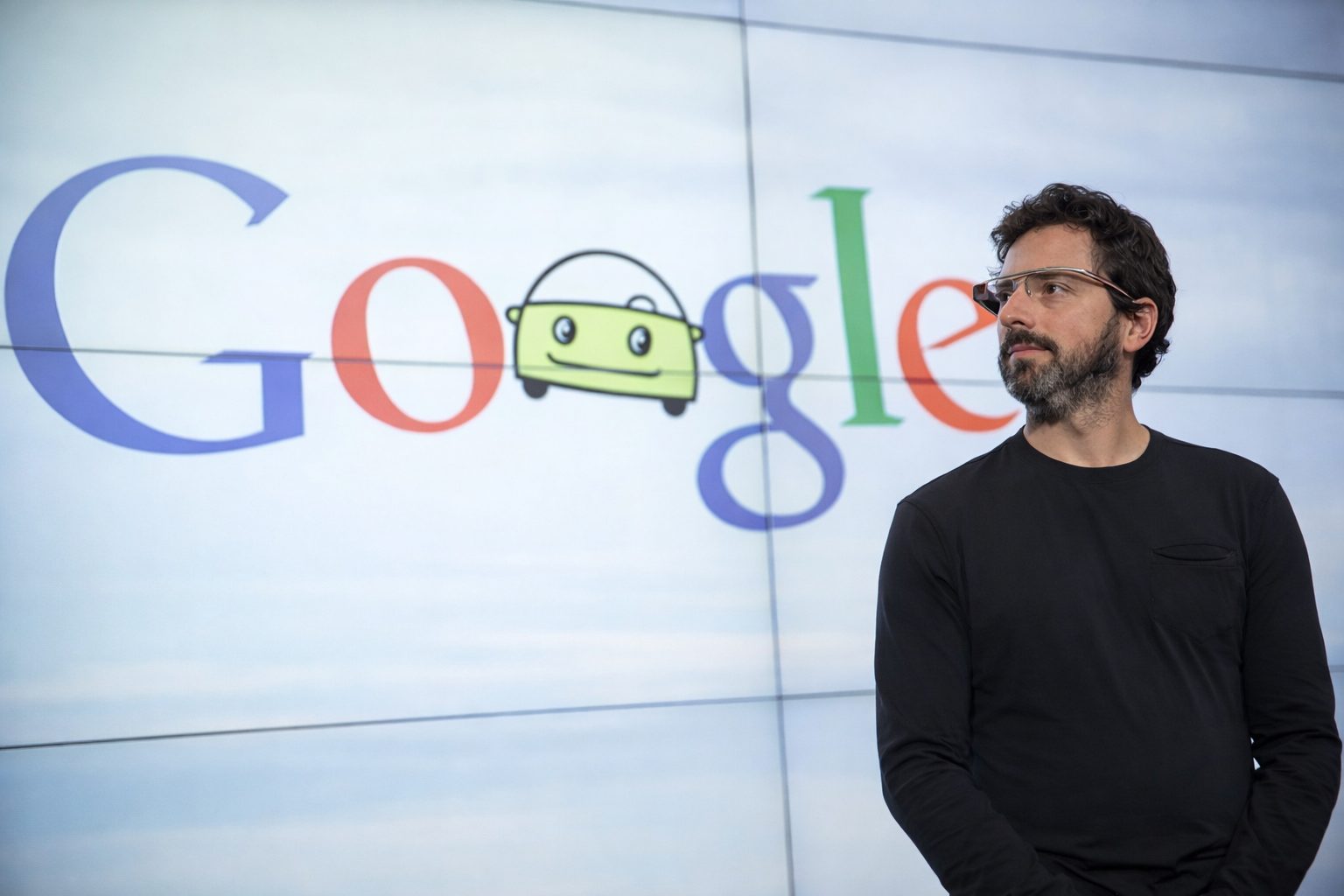
Google co-founder Sergey Brin said the company has hired “tons” of workers without bachelor’s degrees, marking a clear move away from the usual four-year degree requirement in tech hiring. Data from the Burning Glass Institute shows Google’s job listings demanding a degree fell from 93% in 2017 to 77% in 2022. The Times of India
The debate is intensifying as artificial intelligence—software capable of generating text and code—moves from novelty to everyday utility. Students are beginning to question whether a computer science degree still holds its value. According to a Times of India education report published Tuesday, Brin and other tech leaders emphasized that math and core computer science skills remain essential, even as AI automates more routine tasks.
Hiring is moving toward “skills-based” screening, zeroing in on what candidates can actually do rather than their alma mater. The Burning Glass Institute dubs this shift a “degree reset,” pointing out that employers have rolled back bachelor’s degree requirements on a wide range of jobs after years of degree inflation in postings. The Burning Glass Institute
At a Stanford University event last December, Brin was clear about where he stands, according to a transcript from Stanford’s entrepreneurship program. “I chose computer science because I had a passion for it,” he said, calling the choice “a no-brainer.” He cautioned students against abandoning the field just because AI might disrupt coding jobs. Brin also hinted that universities may need to change, adopting faster knowledge cycles and new teaching methods: “I just would rethink what it means to have a university.” Stanford Technology Ventures Program
Earlier this month, TechSpot reported a quiet move away from Silicon Valley’s old assumption that elite academic degrees automatically signal top talent. Microsoft, Apple, and Cisco are among the companies scaling back degree requirements, shifting focus toward skills developed outside the usual college paths.
Executives beyond Google echo Brin’s doubts about traditional credentials. JPMorgan Chase CEO Jamie Dimon told a 2024 interview that going to an Ivy League school and having top grades doesn’t guarantee job success. Palantir CEO Alex Karp said on a last year’s earnings call that once you’re hired, “you’re a Palantirian,” regardless of academic background. Michael Bush, CEO of Great Place to Work, argues that focusing on degrees means companies are “missing out on great talent.” Fortune
“Skills-based hiring” varies by company but often means ditching résumés tied to specific schools. Instead, it leans on job simulations, practical tests, and reviewing real work—think code samples, project portfolios, or open-source contributions.
For employers, this change widens the talent pool in a tight tech job market and speeds up hiring—especially for positions that quickly adapt to new tools and approaches. For candidates, it highlights that proven skills matter more than formal credentials.
Dropping a degree requirement on paper doesn’t always shift the reality. Many roles still expect formal education, with hiring teams, managers, or external recruiters routinely checking credentials. Skills tests usually favor those who’ve had the time, coaching, and equipment to get ready—a clear edge that’s hard to measure.