
BEIJING, January 21, 2026, 19:19 (CST)
- “Are you dead yet?” app asks for a daily tap and sends an email to an emergency contact if you miss two days in a row
- Its growth is sparking a broader conversation in China about isolation, safety, and the prospect of dying alone
- Developers are shifting toward a gentler global name after the harsh branding faced backlash
A Chinese smartphone app that prompts users to confirm they’re alive has gone viral, transforming a simple daily tap into a basic welfare check for those living alone.
The app arrives just as solo living ceases to be a temporary phase in China’s largest cities. Young adults are marrying less, relocating more for jobs, and much of their lives unfold online.
TIME reported that official Chinese stats show over 100 million single-person households in 2024, with projections climbing to between 150 million and 200 million by 2030. Consumer analyst Ashley Dudarenok told TIME that when traditional success markers like marriage and homeownership slip out of reach, young people begin to rethink what a “good life” means. Beijing-born Sylvia Zhu added that living alone “can also be isolating.” TIME
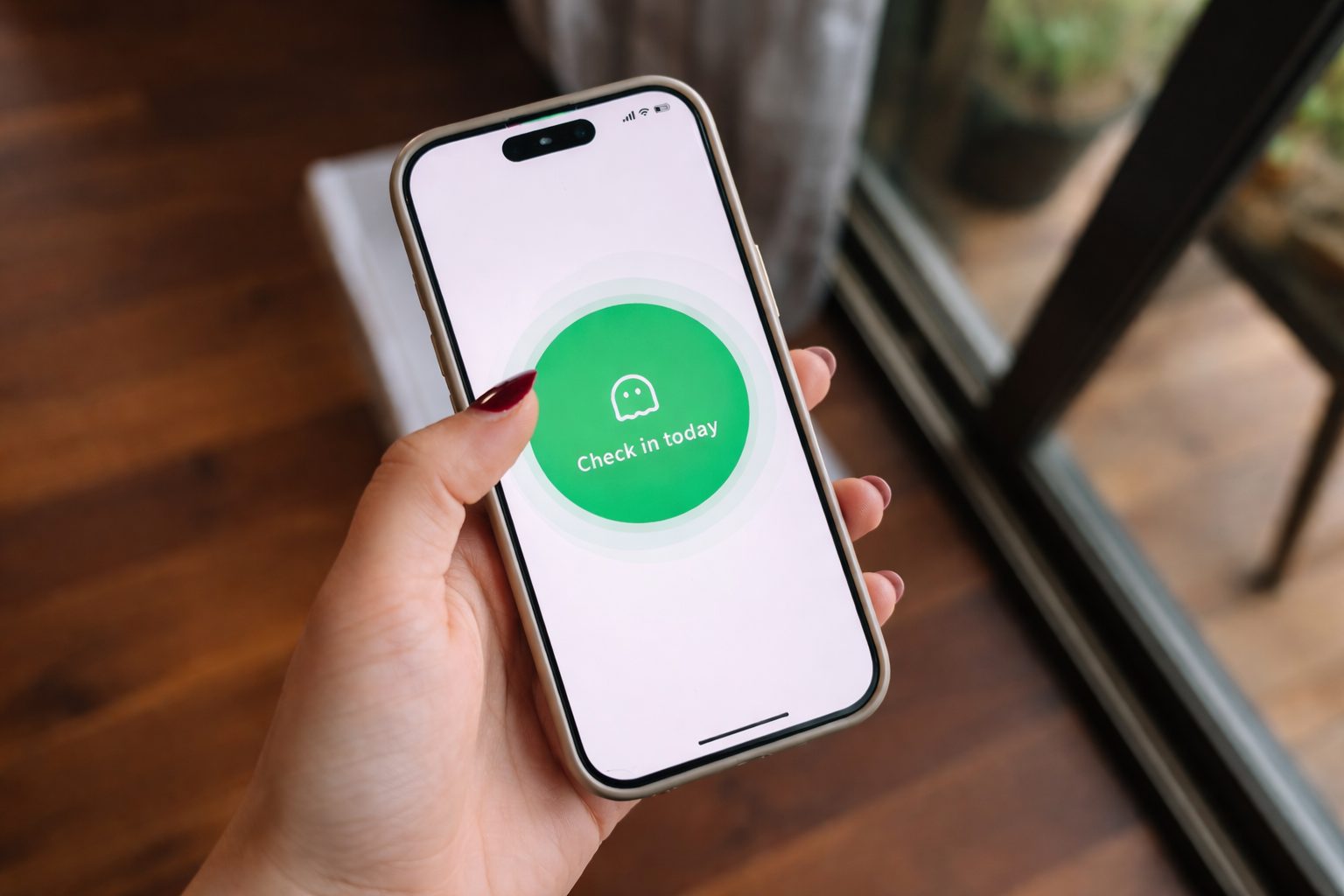
The app, called “Si le ma” in Chinese and often translated as “Are You Dead?” in English, requires users to hit a big button daily. Skip two days, and it automatically emails an emergency contact. This straightforward system aims to detect crises or deaths that could slip by unnoticed.
The Guardian linked the app’s recent spike to growing anxiety over solitary deaths following the news of a woman in Shanghai who died alone. That case sparked intense debate in Chinese media about people without next of kin. The report also highlighted broader demographic trends, noting 6.1 million marriages in 2024 alongside 2.6 million divorce filings. Zhao Lu, a therapist based in Xi’an, was quoted saying, “In modern life, everyone feels lonely.” The Guardian
The app’s dark humor has boosted its popularity, along with how it spreads: users pass it around small friend groups, using the daily “I’m OK” tap as both a safety check and a reminder to keep in contact.
Developers are moving away from the original blunt name, planning to roll out “Demumu” more broadly. The goal? To make the product simpler to share beyond China’s borders. This shift has divided users—some insist the original name was the whole point.
The app has also emerged as a symbol of a wider shift toward “solo-living” services—products designed for individuals, covering everything from dining and delivery to digital companionship—as urban dwellers cope with shrinking family ties.
Still, the model isn’t without flaws. It depends on users actually remembering to check in, and any app that sends alerts to emergency contacts risks false alarms, missed notifications, or forcing users to disclose personal info they’d rather keep private.
China’s tech regulators have stepped up their scrutiny of apps in sensitive sectors. If a product is seen as handling safety, location, or personal data, that could influence how long it remains broadly accessible—and in which regions.
Right now, the daily question serves a dual purpose. It acts as a safety net for those living alone while quietly acknowledging a deeper worry: that modern life can make it all too easy to vanish without notice.