
WASHINGTON, Jan 22, 2026, 05:48 EST
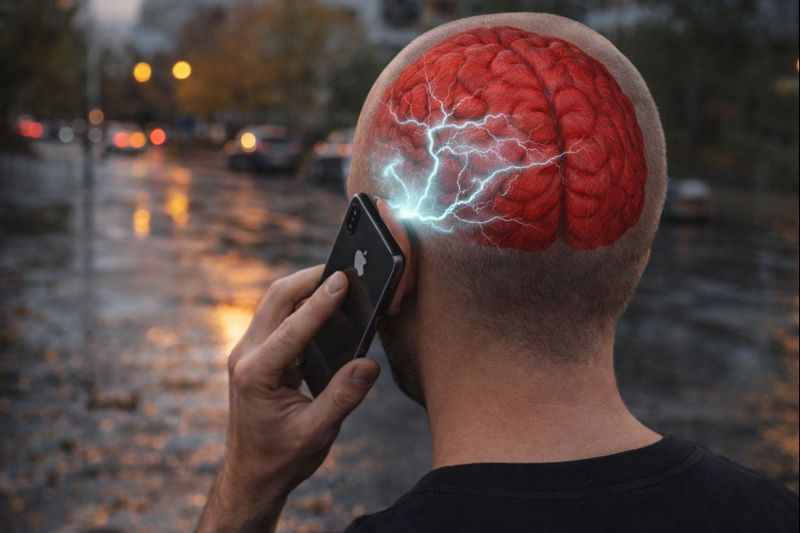
U.S. Health and Human Services Secretary Robert F. Kennedy Jr. is initiating a study to examine potential health risks linked to cellphone radiation, following the FDA’s removal of web pages claiming phones were safe. Kennedy told USA Today he’s “very concerned” and described electromagnetic radiation as “a major health concern,” according to Fox News. Fox News
The push comes as federal agencies work to accelerate the next stage of U.S. wireless expansions. The Federal Communications Commission is considering measures to streamline deployment and auction additional airwaves. At the same time, the Commerce Department is hunting for government-owned spectrum that could be freed up and sold to carriers, Broadband Breakfast reported.
But this move could reopen a messy, old battle playing out in courtrooms and local zoning boards. CTIA, the wireless industry trade group, pointed to a broad scientific consensus showing radiofrequency energy from Wi-Fi, Bluetooth, phones, and wireless infrastructure hasn’t been proven to cause health issues. Still, New Street Research analyst Blair Levin warned that Kennedy’s remarks might spark fresh lawsuits and complicate approvals for small-cell sites, even if regulators and courts ultimately side with the industry.
Andrew Nixon, a spokesman for Health and Human Services, said the FDA discarded “old conclusions” on phone radiation as HHS begins research to pinpoint “gaps in knowledge,” especially concerning newer technologies. Nixon noted this effort comes under President Donald Trump’s Make America Healthy Again (MAHA) commission. Reuters reported last year that the department highlighted 22 states limiting cellphone use in schools. Reuters
The federal government has previously investigated radiofrequency exposure, but the findings don’t align neatly with typical phone use. The National Toxicology Program reported that its two-year rodent studies using 2G/3G signals found “clear evidence” linking exposure to certain heart tumors in male rats, along with “some evidence” for tumors in the brain and adrenal glands. However, the program noted these systems don’t reflect newer tech like 4G/LTE or 5G. National Toxicology Program
According to the U.S. National Cancer Institute, large-scale studies in humans have yet to find consistent evidence linking cellphone use to cancer. Their current stance is that cellphone radiation does not cause brain or other cancers in people. The institute also points out that in 2011, the World Health Organization’s cancer agency labeled radiofrequency fields as “possibly carcinogenic,” a classification based on limited evidence. Cancer
“It’s a complex subject,” said Kenneth Foster, professor emeritus of bioengineering at the University of Pennsylvania, who has researched cell phone health risks. He noted that debates over RF radiation and its health effects from cell phones have been going on for decades, as Scientific American summed up the long-running controversy.
CTIA’s Wireless Health Facts site states that radiofrequency signals fall under regulation, with existing safety limits aimed at preventing tissue heating. It references previous FDA statements backing these exposure limits. The trade group maintains that the “current consensus” on consumer exposure remains unchanged. Wirelesshealthfacts
What comes next might hinge more on public trust than on lab results. Should Kennedy’s department push for stricter rules, carriers could be hit with fresh lawsuits and permit battles. But if the study fails to make an impact, the controversy could die down—at least until politics stirs it up again.