
SAN FRANCISCO, Jan. 23, 2026, 12:08 a.m. PST
- Google is introducing an opt-in “Personal Intelligence” feature that allows AI Mode in Search to pull info from Gmail and Google Photos for more personalized results.
- U.S. users subscribed to Google AI Pro and AI Ultra can access the rollout in English via Search Labs.
- Google clarifies that the system doesn’t train on entire inboxes or photo libraries but cautions users about possible errors and increased data consumption.
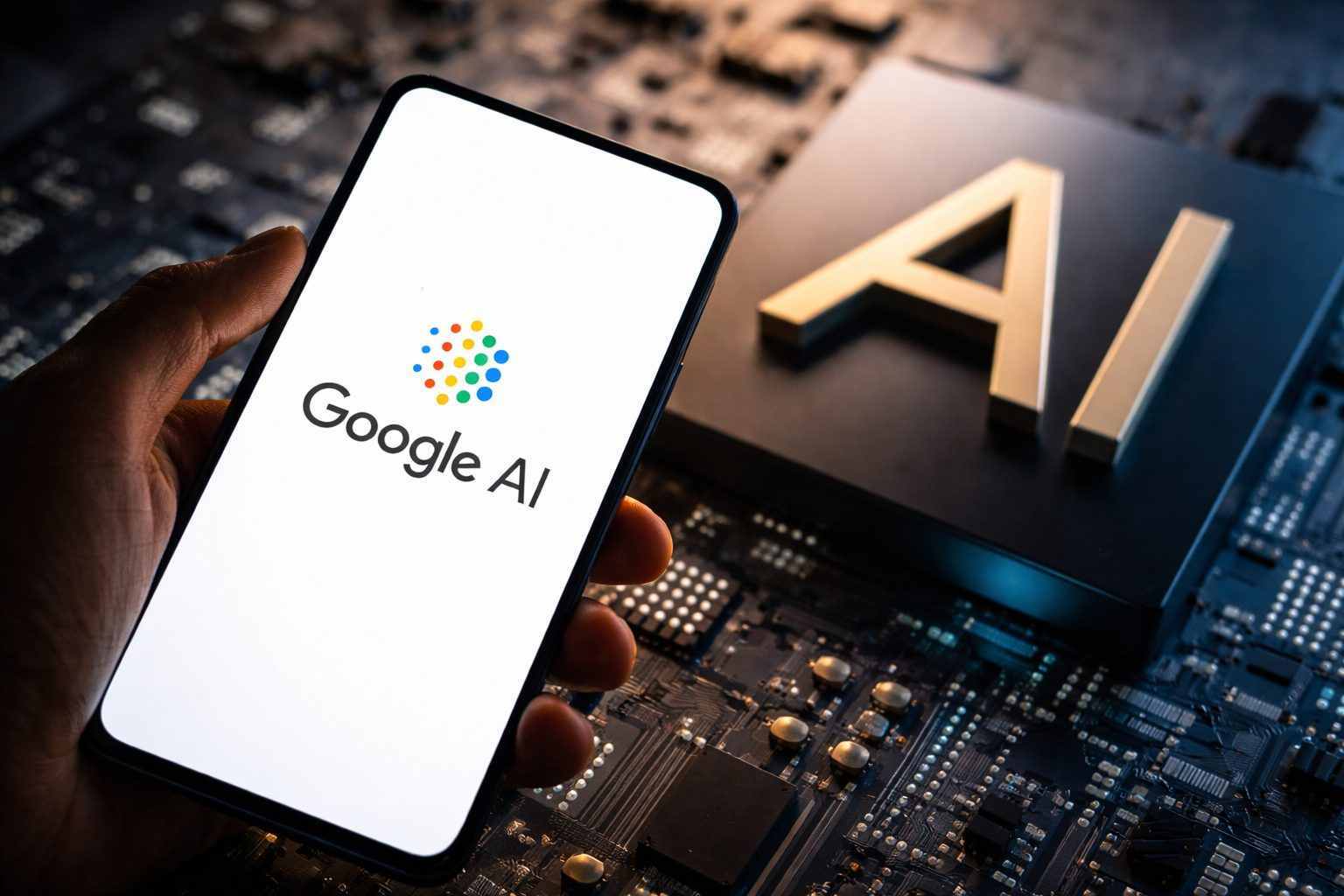
Google is rolling out “Personal Intelligence” within AI Mode in Search, enabling the chat feature to pull data from a user’s Gmail and Google Photos for more personalized responses, the company announced Thursday. Blog
The timing couldn’t be clearer. Google is embedding generative AI more firmly into its core Search experience as users grow accustomed to posing one question and anticipating a straightforward answer.
Google is banking on personalization as a competitive edge. With years of email, photos, and search data under its belt, it holds a trove of signals competitors can’t easily match. Now, it’s working to leverage that without alarming users.
The feature is being introduced in English across the United States for Google AI Pro and AI Ultra subscribers as part of a Search Labs experiment. Users can enable it via the “Search personalization” menu, where “Connected Content Apps” are listed. For the time being, Workspace business, enterprise, and education accounts aren’t included, according to a report outlining the rollout process. Search Engine Land
Google aims to reduce the usual back-and-forth in prompting with AI Mode, which can gather info like bookings and past activity to tailor trip plans or shopping tips. “Personal Intelligence transforms Search into an experience that feels uniquely yours by connecting the dots across your Google apps,” said Robby Stein, a VP at Google Search. ABC News
On Friday, a quick demo of the feature crossed platforms. Analyst Max Weinbach posted a screenshot showing Gemini using Gmail purchase info to assess if winter gloves would perform well in snow. Google CEO Sundar Pichai weighed in: “This is a great use case for personal intelligence in Gemini app (for pro users)!”. The Times of India
Google’s Search help page puts the trade-offs in clearer terms. Linking “content apps” allows Search features—like AI Mode and tools such as Maps, Flights, and Hotels—to tap into Workspace, starting with Gmail and later adding Calendar and Drive, plus Google Photos. This option is only available to U.S. users aged 18 and older. The page also clarifies that Search doesn’t train generative AI directly on entire inboxes or full photo libraries. Instead, Google may use summaries, excerpts, and inferences from relevant emails or photos to train its models. Some personalized interactions might also be reviewed by humans to refine the service. Google Help
The feature, however, isn’t perfect. It sometimes misfires on personalization and can unsettle users worried about how much of their digital footprint is just a “yes” click away. Google confirmed it’s powered by its Gemini 3 model and can be disabled. The company also cautioned that the system might link unrelated topics or overlook important context. Search Engine Journal
Pressure is mounting behind the scenes. OpenAI’s ChatGPT and Microsoft’s AI tools have conditioned users to view search as a dialogue, while startups like Perplexity have capitalized on that approach by delivering web-linked responses.
Google recently integrated Personal Intelligence into the Gemini app, and now the Search update takes it further — linking your Gmail, Photos, Search, and YouTube history directly within AI Mode.
What happens next is uncertain: how many users will actually opt in, and if Google decides to lock the feature behind subscriptions or limit it to the U.S. market. That choice will determine the pace at which “personal” search goes mainstream—and how heated the privacy debate gets.