
WASHINGTON, Jan 27, 2026, 14:53 (EST)
- U.S. regulators reported two recall campaigns affecting 43,881 ID.4s from model years 2023 to 2025, plus an additional 670 ID.4s from 2023 to 2024.
- Fixes range from a battery software update and health check to replacing the battery module in certain cases
- Owners will receive remedy notices in March, while a smaller group is advised to limit charging and steer clear of DC fast charging until repairs are completed
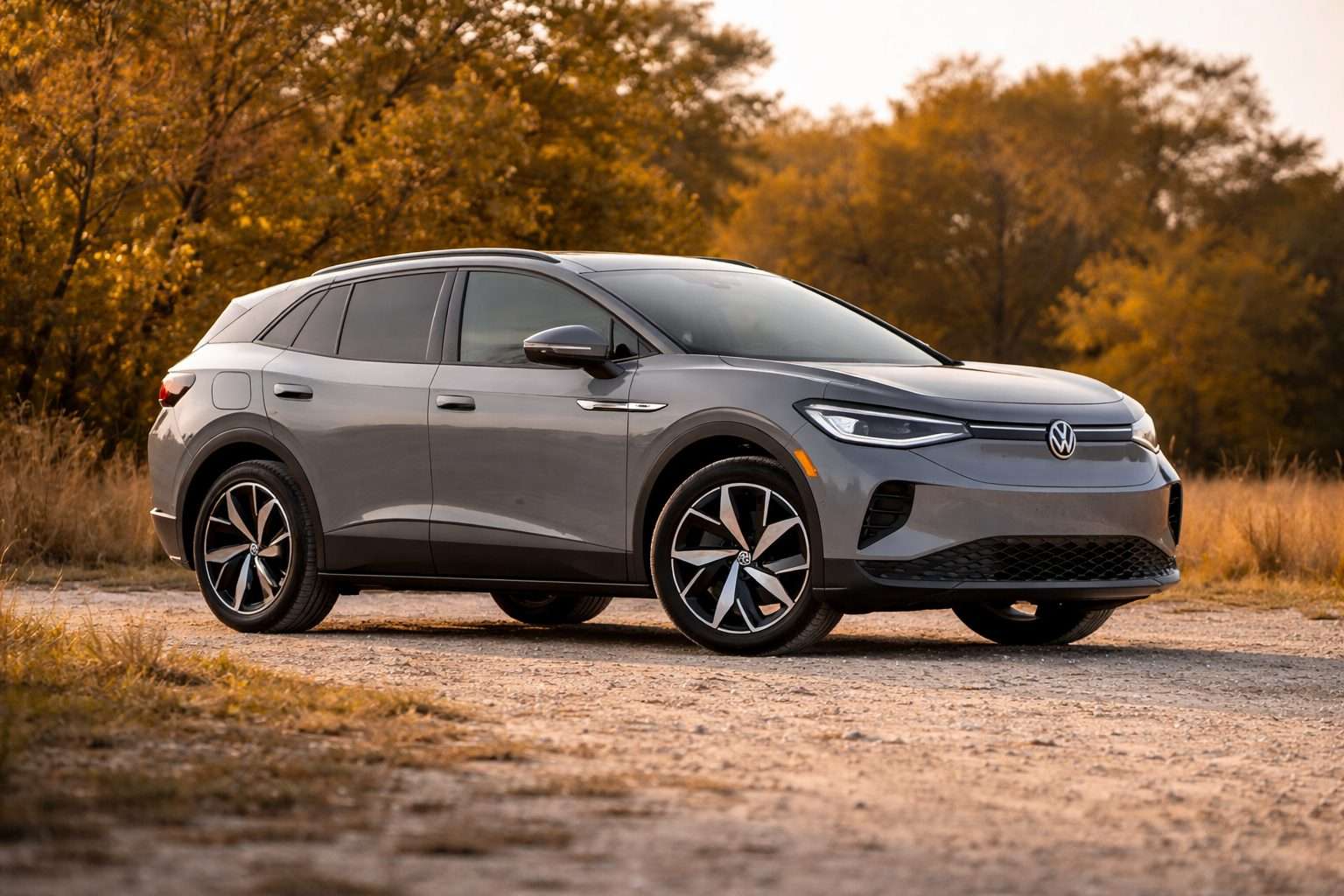
Volkswagen is recalling 44,551 ID.4 electric vehicles in the U.S. across two separate campaigns linked to possible battery fire hazards, the National Highway Traffic Safety Administration said Tuesday. One recall targets battery modules that could overheat, while the other concerns battery cells with potentially misaligned electrodes.
Volkswagen’s major electric SUV in the U.S. is now under recall, highlighting ongoing concerns with battery safety in the industry. Fire risk ranks as one of the most serious EV defects, since addressing it often means working directly on the high-voltage battery and can lead to temporary restrictions on charging and parking.
For owners, this goes beyond a simple software update. The filings outline several fixes: detailed inspections, upgraded battery monitoring software, and in some instances, replacement of high-voltage battery parts—all free of charge. Nhtsa
This broader recall affects 43,881 ID.4 vehicles spanning model years 2023 to 2025. According to NHTSA, faulty high-voltage battery cell modules could overheat, increasing the chance of a fire.
Volkswagen’s filing labeled the flaw as a rare “thermal propagation” risk, where heat could spread within the battery module and worsen. Dealers will perform a battery health check, update the Self-Discharge Detection (SDD) software, and swap out battery cell modules if either the inspection or software detects an issue.
SDD software aims to detect abnormal self-discharge — when a battery loses charge on its own — which might signal a deeper issue. The filing noted that a joint analysis with the supplier hasn’t pinpointed a clear root cause yet. However, current findings suggest deviations on the supplier’s end could trigger self-discharge, potentially causing customers to experience reduced range or performance.
A separate recall affects 670 ID.4 vehicles from model years 2023 and 2024. The filing noted that some individual battery cells in specific high-voltage battery modules might have misaligned electrodes, which under certain conditions could cause a fire.
Volkswagen announced it will replace the high-voltage battery cell modules that could be affected in these vehicles. Until then, owners are advised to limit charging to 80%, steer clear of Level 3 DC fast chargers, and, “out of an abundance of caution,” park outside right after charging and avoid overnight indoor charging.
Both filings set January 23 as the date dealers will be notified, with VINs becoming searchable that same day. Owner notifications for the remedy will start on March 20 in stages. Volkswagen also noted it won’t provide reimbursement since the vehicles are still covered by the new-vehicle warranty.
The filings identify SK Battery America as the source of the battery cell modules. Electrive noted the recalls cover ID.4 models assembled in Chattanooga, Tennessee, which use cells from SK’s Georgia facility. European-made ID.4s, however, are equipped with different cells.
The ID.4 goes head-to-head in the U.S. electric crossover market against Tesla’s Model Y, Ford’s Mustang Mach-E, and Hyundai’s Ioniq 5. In this segment, where buyers prioritize safety and reliability just as much as price, any hiccup in charging or dealer availability can have a real impact.
Volkswagen’s broader campaign hinges on an unclear root cause and relies heavily on detection software and inspections to spot risky behavior early. If thermal incidents happen beyond the identified group, the recall could expand, leading to longer delays for battery module replacements and service appointments.
Vehicle owners can verify if their car is part of the recall by entering their VIN on NHTSA’s recall database or by reaching out to a Volkswagen dealer. Those involved in the smaller recall are instructed in the filings to stick to the temporary charging and parking guidelines until the fixes are done.