
New York, January 28, 2026, 11:00 (EST)
- Samsung’s upcoming Galaxy Z Trifold foldable phone is set to hit U.S. stores at a price of $2,900.
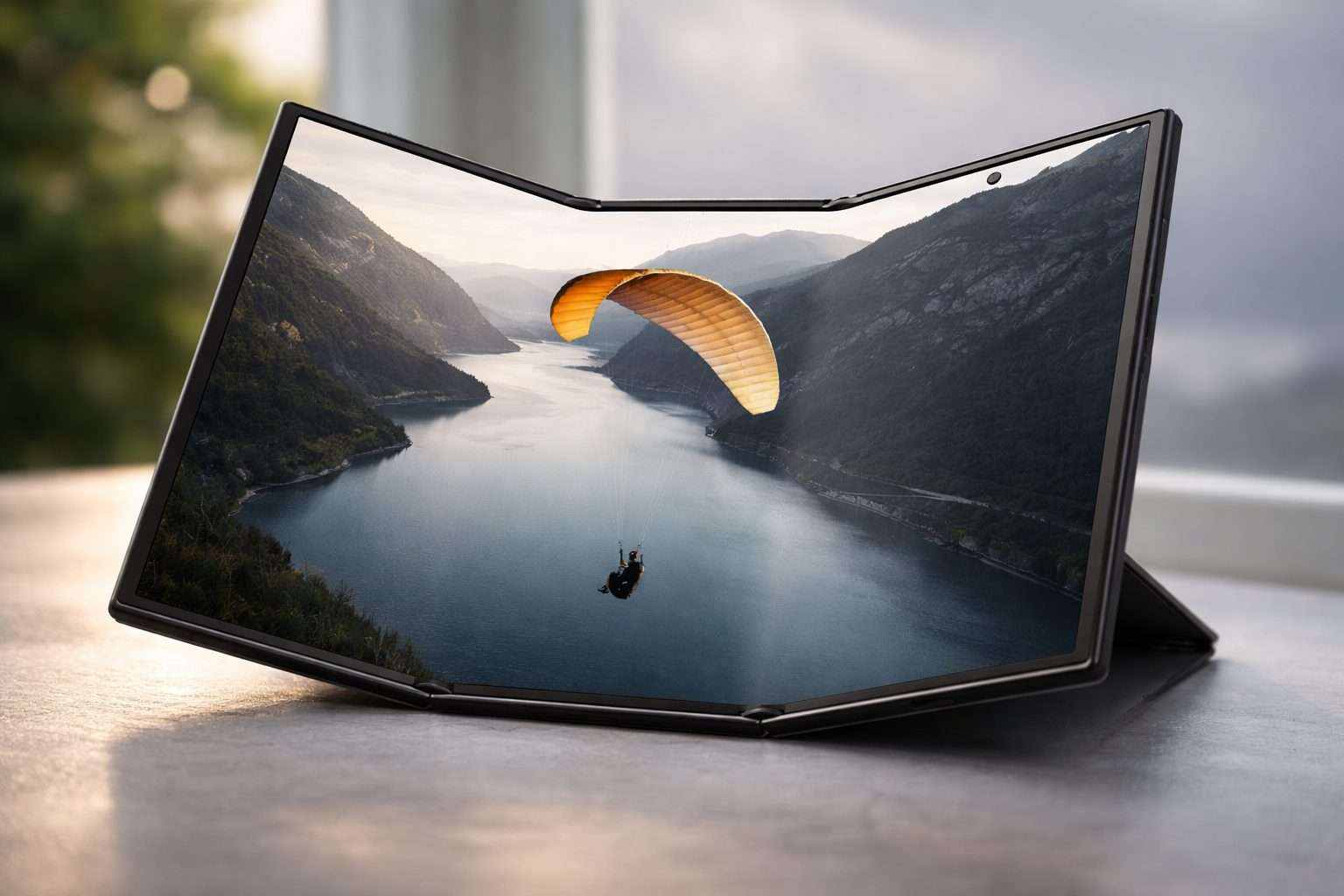
- Boasting a 7.6-inch trifold screen, the device raises the bar for foldable technology.
- The Z Trifold launches on January 30, 2026, but expect limited availability at first.
Samsung plans to launch the Galaxy Z Trifold in the U.S. with a steep $2,900 price tag. This new foldable phone, boasting a distinctive trifold design, hits the market on January 30, 2026. Buyers can grab it via Samsung’s website or at select retailers.
Samsung’s Galaxy Z Trifold is their most sophisticated foldable to date, pushing the foldable phone market into new territory. It sports a 7.6-inch screen that folds into three parts, delivering a bigger, more flexible display ideal for multitasking, media, and work. The company calls the Z Trifold a game-changer, stretching the limits of smartphone technology.
Samsung remains the leader in foldable phones, despite growing competition from Huawei and Motorola. The Z Trifold’s steep price puts it well above most flagship phones, targeting tech enthusiasts and early adopters willing to pay a premium. That high cost might restrict its reach to a niche audience, as many will wonder if the unique trifold design truly warrants such an investment.
The Z Trifold stands out with its tri-fold design, letting it unfold into a tablet-like display. Samsung’s use of Ultra Thin Glass (UTG) adds durability, helping the screen endure repeated folding. On top of that, the phone features a sturdy hinge system meant to keep performance stable over the long haul, addressing a usual weak spot in foldables.
“Samsung remains at the forefront of the foldable phone market, pushing innovation that redefines smartphone use. The Z Trifold’s flexible design delivers an experience like no other,” said Samsung spokesperson Maria Lee. Still, she admitted the device’s steep price might deter many buyers, especially since foldables haven’t become truly affordable for the average consumer yet.
Critics remain skeptical about whether the cost makes sense, given that foldable phones are still a fresh concept. The Z Trifold introduces a new design but carries a price tag nearly three times that of a regular flagship like the Galaxy S23 Ultra, likely turning away budget-conscious buyers. Though foldable tech has advanced, it’s still an evolving category with questions about durability over time.
Samsung’s pricing move is clearly aimed at cementing its foothold in the growing foldable phone segment. Priced on the higher end, the Z Trifold targets the luxury market. Given its initial limited availability, it might stay a niche product for now. Early feedback highlights a solid build and cutting-edge screen, but whether it justifies the cost is still up for debate among buyers.
Looking forward, Samsung’s challenge with the Z Trifold lies in balancing cutting-edge design with affordability. Its trifold form factor hints at what’s next, but the steep price might limit appeal beyond early adopters. Experts say that for Samsung to dominate the foldable scene, it’ll need to drive down costs and open the technology to a wider audience.
Samsung’s newest foldable pushes mobile tech forward, despite the risks involved. Priced at $2,900, its market reception will probably determine how foldables fit into the mainstream smartphone landscape going forward.
Samsung is set to monitor the launch carefully, eager to find out whether the Z Trifold’s gamble will pay off or if it will stay confined to a niche market of high-end users.