
SEOUL, January 29, 2026, 18:24 KST
- U.S. regulatory filings for what’s thought to be Samsung’s Galaxy S26 lineup reveal support for satellite messaging and SOS features
- Samsung has revealed plans for a new “layer of privacy” designed to shield onlookers in public places
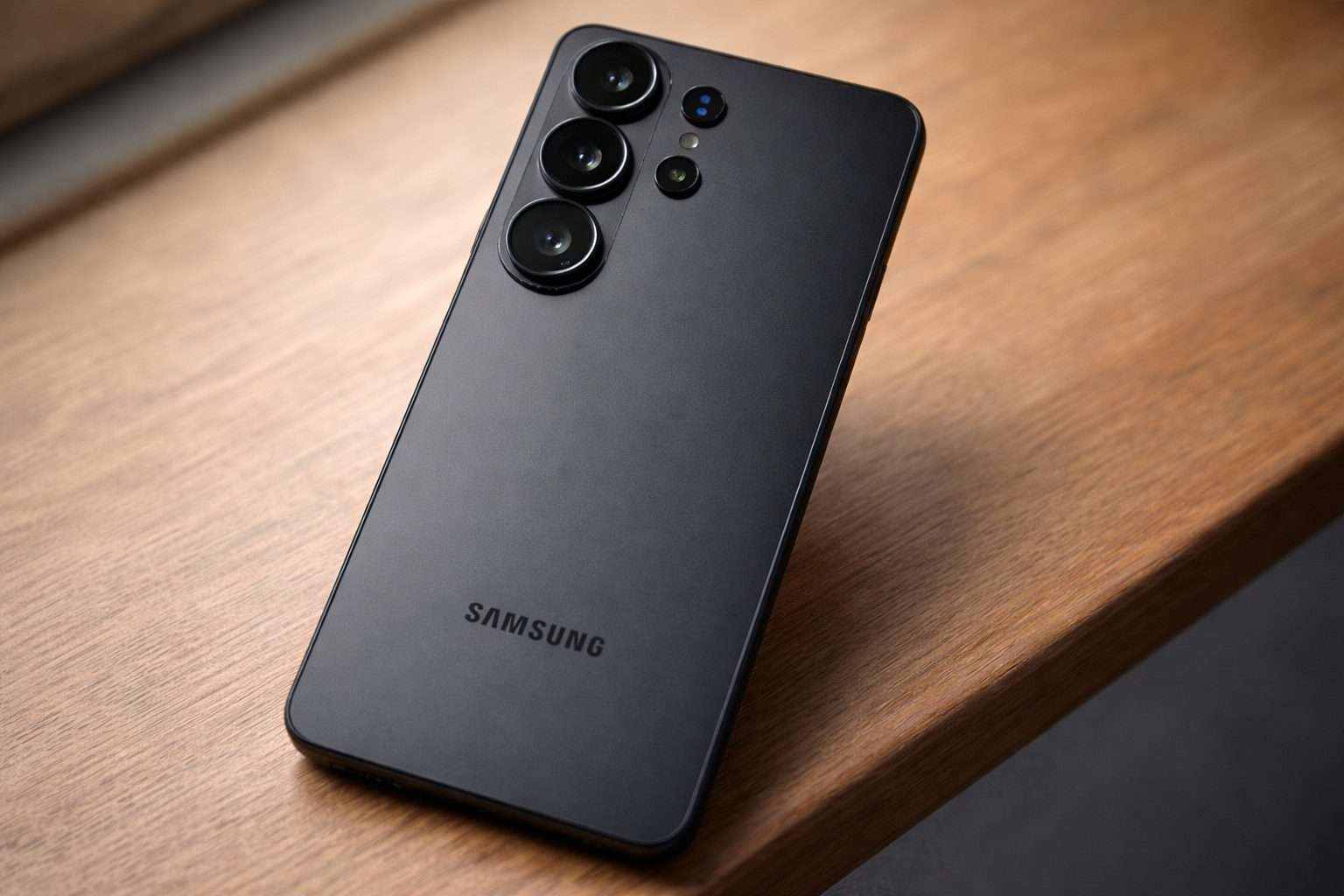
- Leaked photos of the case hint at a pill-shaped camera bump and potential Qi2 wireless charging compatibility
Regulatory documents for the U.S. versions of Samsung Electronics’ upcoming Galaxy S26 flagship suggest the phones will support satellite connectivity, enabling users to send messages or make emergency calls even without cellular service, according to reports from SamMobile and 9to5Google.
Samsung’s leak cycle is ramping up just before its anticipated launch event in late February, as handset makers hunt for meaningful features to set their premium devices apart in a market where yearly upgrades often seem minor.
Satellite-to-phone features—sending basic texts and emergency signals via satellites rather than cell towers—are turning into a fierce contest among premium smartphones. Apple and Google have rolled out these options on their latest iPhones and Pixels, setting a new standard competitors are eager to hit.
Samsung has begun teasing a new privacy feature aimed at preventing “shoulder surfing”—when someone glances at your screen over your shoulder in public transit or busy spots. “Our phones are our most personal space, but we use them in the least private places,” the company said in a statement. This added layer of protection can be customized by app and turned off, instead of being forced on across the entire device. Samsung Global Newsroom
Samsung revealed the feature required over five years of engineering, blending hardware and software—suggesting it won’t be a straightforward update for older devices. They also called it “privacy at a pixel level.”
Design leaks are ramping up. PhoneArena shared images from leaker Evan Blass revealing Galaxy S26 models wrapped in UAG cases. All three phones seem to bring back the camera “island,” now shaped like a pill, while the Ultra variant features rounder corners, aligning more with the standard and Plus versions. The report also links these images to rumors about Qi2 wireless charging support and reinforces the rumored launch date of Feb. 25. PhoneArena
The filings mentioned in the reports highlight standards tied to “Supplemental Coverage from Space” and “Non-Terrestrial Networks,” industry frameworks designed to enable phones to connect to satellites when terrestrial signals are unavailable. SamMobile pointed out that the documents also reference Qualcomm’s Snapdragon 8 Elite Gen 5 “for Galaxy” chipset for U.S. models and identified Skylo as a probable connectivity partner.
What’s still up in the air is exactly what Samsung plans to ship—and where. Certifications hint at hardware capability but don’t ensure a feature will be active at launch, available worldwide, or come free; service terms often hinge on carriers, satellite partners, and local regulations.
The new privacy layer isn’t without drawbacks: limiting viewing angles can dim the screen and make it tougher to see, especially outside, despite Samsung’s switchable feature. Plus, “official-looking” case images often show early designs that end up evolving before launch.
The filings and teasers make one thing clear: Samsung is gearing up to highlight satellite connectivity and privacy features for the Galaxy S26, aiming to stay competitive with Apple and Google in the premium market.
Samsung is set to reveal more details about its next Galaxy devices at the upcoming Unpacked event.