
SAN FRANCISCO, Jan 29, 2026, 01:27 (PST)
- Analyst Ming-Chi Kuo predicts Apple will likely maintain the starting price for the iPhone 18.
- According to a report, Samsung Electronics and SK Hynix have raised their quoted prices for low-power phone memory.
- Apple now negotiates memory prices every quarter, responding to tighter supply driven by AI demand
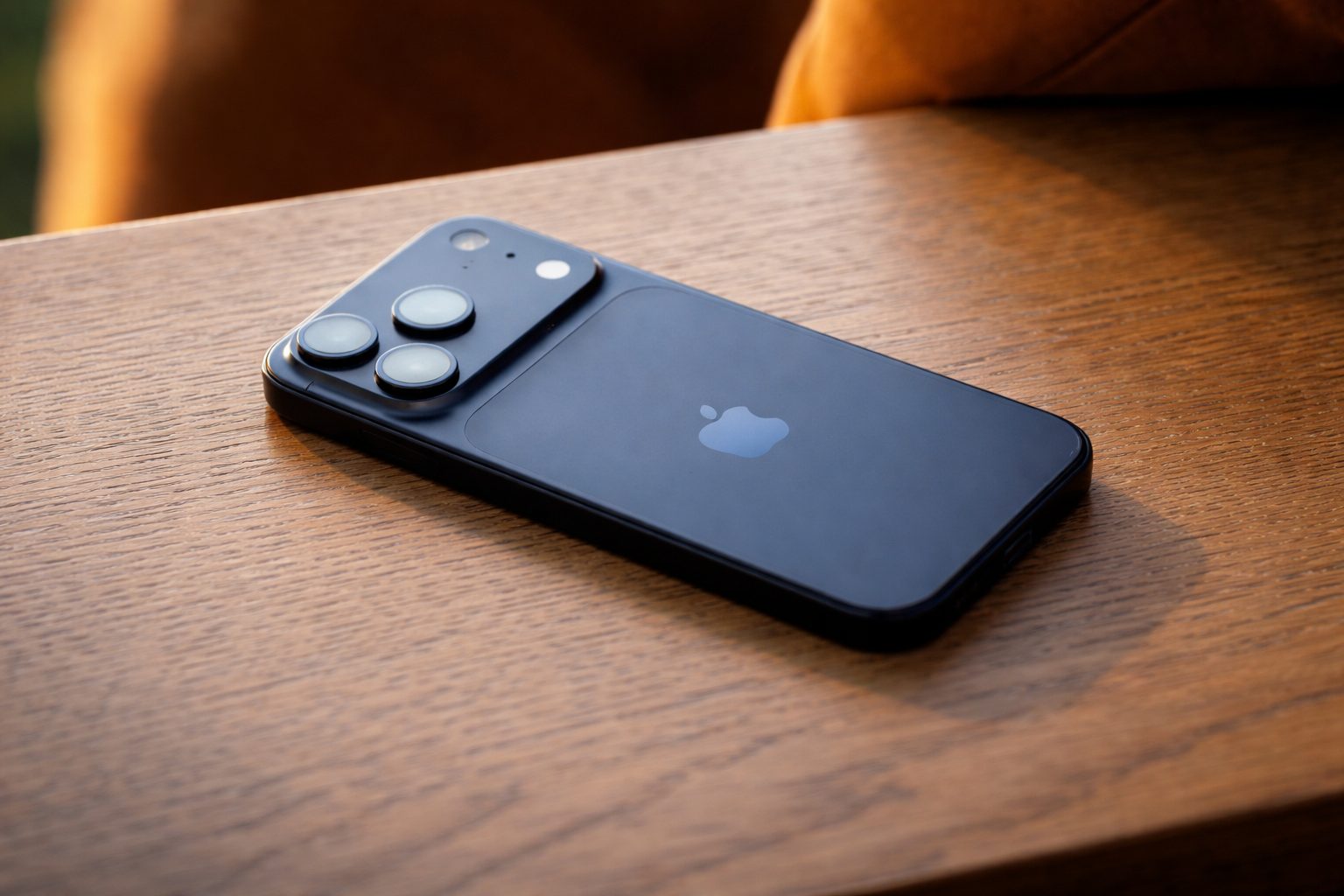
Apple plans to swallow increased memory expenses rather than hike the starting price for its iPhone 18 lineup, supply chain expert Ming-Chi Kuo revealed this week.
The global shortage of smartphone memory chips is intensifying, partly due to skyrocketing demand from AI data centers. For consumer electronics manufacturers, memory remains a major cost factor and one of the toughest components to secure when supplies are limited.
Apple faces pressure ahead of its quarterly earnings report Thursday, with investors focused on margins. The next iPhone cycle arrives in late 2026, while suppliers are adjusting prices. Rising component costs could push device makers to raise prices or settle for narrower profits.
Kuo said Apple plans to avoid hiking prices “as much as possible,” choosing instead to “absorb the costs” from rising RAM prices. He noted the company is shifting iPhone memory pricing talks with suppliers from a six-month schedule to quarterly negotiations. He also pointed out a separate supply issue involving “glass cloth” used in printed circuit boards, as suppliers prioritize orders linked to the booming AI sector, including Nvidia, AMD, and Qualcomm. Theverge
Apple’s buffer comes from its scale and longstanding supplier deals, but Kuo warns the numbers are shifting fast. AppleInsider quoted Kuo saying Apple paid roughly $30 for a 12GB LPDDR5X module early in 2025 — jumping to around $70 by year’s end. That’s a steep price hike in under a year.
ZDNet Korea reports that Samsung and SK Hynix have struck a deal with Apple to drastically hike prices on iPhone low-power DRAM, or LPDDR, which is designed to minimize power consumption in smartphones. Samsung’s proposed price jump tops 80% compared to last quarter, while SK Hynix is pushing for about a 100% increase. Translate
Kuo believes Apple will rely on its ecosystem to weather this pressure. According to a Yahoo Finance report, Apple seems ready to absorb some “margin pain” instead of passing on “sticker shock” to customers as memory prices climb. Yahoo
Apple’s clout doesn’t erase the supply bottleneck. Kuo notes that quarterly renegotiations show suppliers are calling the shots, and we can expect more price adjustments as the year goes on.
Memory prices and other material costs could keep rising faster than Apple can manage, pushing the company toward tough decisions as launch nears — whether that means hiking prices on certain models, accepting slimmer hardware margins, or restricting supply to limit shipments. A wider drop in demand would only make it harder to swallow those higher costs.
Apple’s investor call on Thursday might reveal how the company views the current component cycle and if memory price hikes are factoring into its guidance for upcoming quarters.
AI hardware is driving supply trends, not smartphones. Memory manufacturers are shifting more capacity to HBM, the high-bandwidth memory powering AI accelerators, even as demand for traditional DRAM and LPDDR stays strong. This blend has led to price increases across the board.
For now, Kuo’s message is clear: Apple aims to keep the iPhone 18 starting price steady. However, upcoming quarterly supplier discussions on memory pricing will determine how long that pricing strategy lasts.