
NEW YORK, January 29, 2026, 14:13 (EST)
- A source revealed that SpaceX and xAI are in talks about merging before an upcoming initial public offering.
- The proposed plan involves exchanging xAI shares for SpaceX shares, while certain executives might receive cash instead
- Nevada records reveal two new entities tied to SpaceX CFO Bret Johnsen, both established on Jan. 21
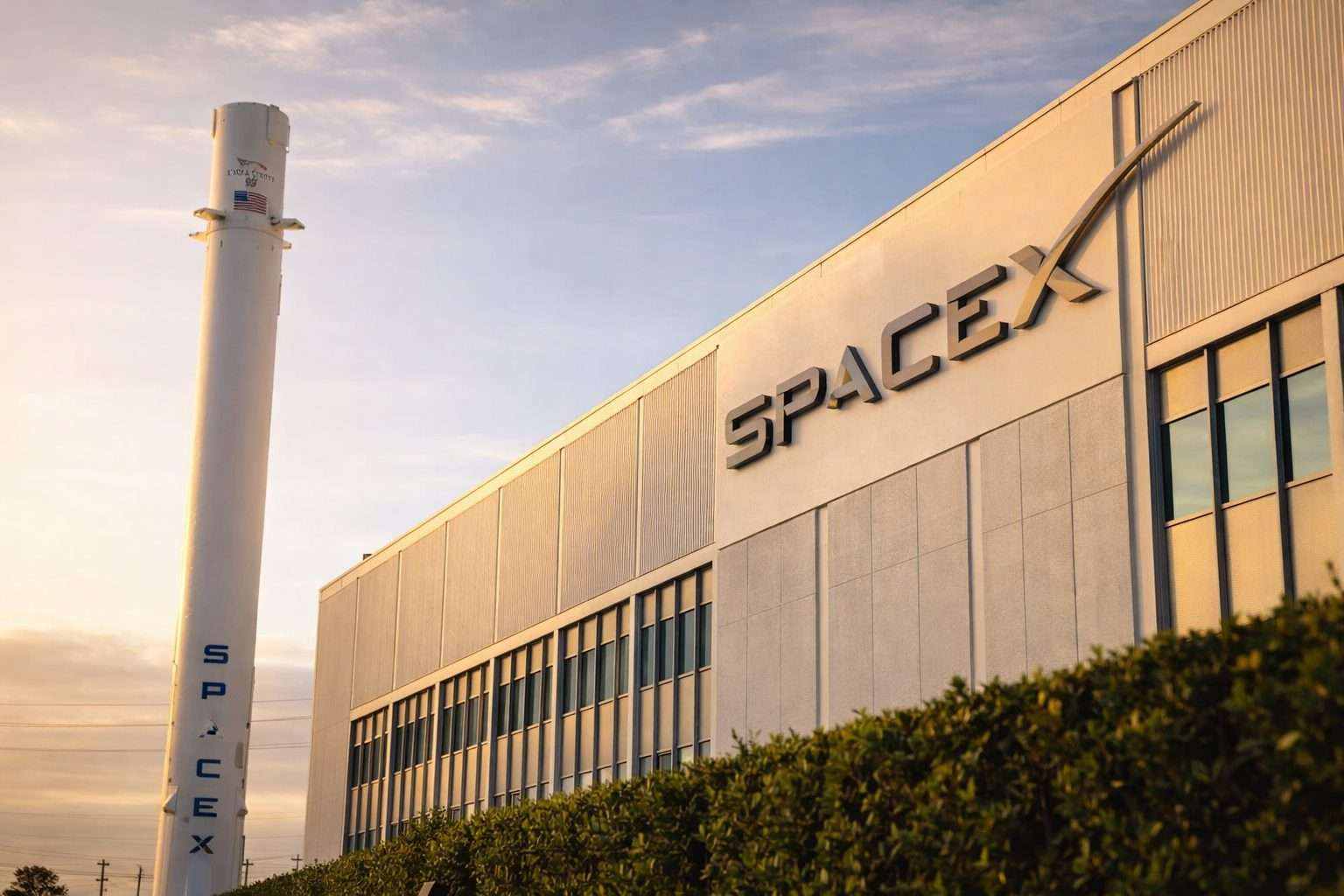
Elon Musk’s SpaceX is reportedly negotiating a merger with his AI startup xAI ahead of a planned IPO later this year, according to a source familiar with the discussions. The deal would unite SpaceX’s rockets, Starlink satellites, the X social media platform, and xAI’s Grok chatbot under a single entity.
Investors are gearing up for what could be one of the largest IPOs in years, as Musk attempts to weave a single narrative connecting launch capacity, satellites, data, and AI. This aligns with his vision of shifting computing to orbit—turning rockets into the backbone of “data centers,” the server farms powering AI systems. Yahoo
Last week in Davos, Musk claimed that within two years—three at most—the cheapest place to run AI will be in space. He’s aiming to carve out a slice of the AI market currently ruled by heavyweights like Google, Meta, and OpenAI.
Musk, SpaceX, and xAI declined to comment. Musk leads SpaceX and xAI—the company behind X—and also serves as Tesla’s CEO.
According to the source, xAI shares would be swapped for SpaceX shares under the proposed merger. To handle the deal, two entities have been established in Nevada, the person added. Some xAI executives might also have the choice to take cash instead of SpaceX stock.
Reuters was unable to confirm the value of the deal, its main purpose, or the expected signing date. A source familiar with the discussions cautioned that both timing and terms are still unsettled, with no final agreement in place.
Corporate filings in Nevada reveal that both entities were established on Jan. 21. One is a limited liability company listing SpaceX and Bret Johnsen, the company’s CFO, as managing members. The other names Johnsen as its sole officer.
SpaceX hit a valuation near $800 billion during a recent insider share sale, making it the top private company by value, sources say. Meanwhile, the Wall Street Journal reports that xAI was valued at $230 billion back in November.
SpaceX has secured banks for an IPO that might happen as soon as this year, with estimates valuing the company at over $1 trillion. Earlier this month, xAI closed a $20 billion Series E round, and on Wednesday, Tesla announced a roughly $2 billion investment in xAI.
Musk’s xAI is developing a massive AI-training supercomputer named Colossus in Memphis, Tennessee. Last year, SpaceX committed $2 billion to xAI during a $5 billion equity fundraising round, according to the Wall Street Journal.
Musk claims space-based AI processing could slash energy costs by tapping into solar power. Meanwhile, Bezos-backed Blue Origin unveiled plans for a high-capacity backbone network made up of thousands of satellites. Google is also in the game, exploring space-based data centers through its project named Suncatcher.
Caleb Henry from Quilty Analytics noted that a merger might boost SpaceX’s appeal to the Pentagon, especially as the military ramps up AI integration across its systems. Defense Secretary Pete Hegseth stopped by SpaceX’s Starbase in Texas earlier this month, confirming that Grok will be folded into military networks under the Pentagon’s “AI acceleration strategy.”
xAI has secured a contract valued at up to $200 million to deliver Grok products to the Pentagon. Starlink and its national security offshoot, Starshield, already deploy AI for automated satellite maneuvers. Starshield is also developing a classified satellite network that will leverage AI to track targets on Earth.
Still, the core gamble of placing data centers in space carries big risks and high costs, especially with AI budgets moving unpredictably. Some analysts and industry insiders have doubted whether the energy savings would offset the expense of building, launching, and running gear in orbit. The source also warned the deal might evolve or get delayed.
Musk has a history of merging his ventures. Back in 2025, he combined X with xAI through a share swap. And in 2016, he acquired SolarCity by using Tesla stock.