
SYDNEY, Jan 30, 2026, 20:28 AEDT
- Telstra says a patch to Apple’s “carrier settings” can fix service issues on some older iPhones affected by a network glitch
- The fault disrupted calls and texts, even to Australia’s emergency number, Triple Zero (000)
- Apple stopped rolling out multiple iOS updates for older devices as it looked into the problem
Telstra confirmed that Apple rolled out a carrier settings update to resolve an issue preventing some older iPhones from connecting to its network, affecting emergency calls to Triple Zero (000). The carrier noted that emergency calls should still go through on other available networks, though it may take around a minute for the phone to connect.
The outage has highlighted concerns about how reliably older phones can dial 000 amid evolving networks and software, especially as Australians increasingly rely on mobiles for emergencies. The Telecommunications Industry Ombudsman acknowledged reports that some users with older Apple devices have struggled to connect to Triple Zero.
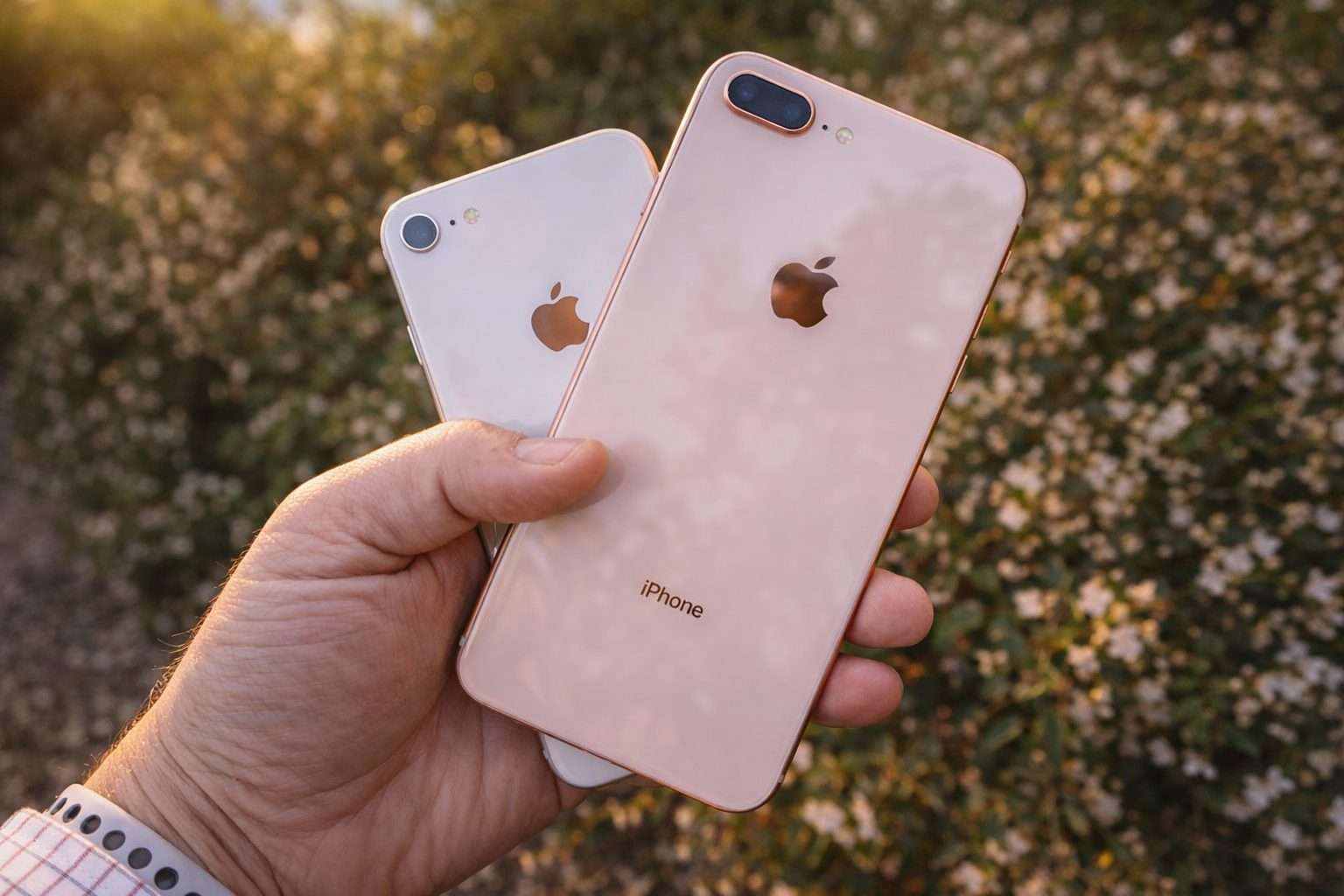
Telstra has warned that iPhone 8, iPhone 8 Plus, and iPhone X models running iOS 16.7.13 might face issues, with users unable to make or receive calls. “She can’t make or receive any calls, it just goes straight to voicemail,” Sydney resident Gordon Heathcote told ABC. Opposition communications spokesperson Melissa McIntosh urged users to check if their phones are affected and to have backup plans ready. ABC News
Apple confirmed the problem, noting that some users on Telstra’s network couldn’t make or receive calls on those models after updating. “We have identified a fix that will be available in an upcoming software update,” an Apple spokesperson said. Information Age
Apple halted the release of several updates for older iPhones amid the Australian connectivity glitch. This included iOS 18.7.4, iOS 16.7.13, iOS 15.8.6, and iOS 12.5.8. According to a Telstra support notice reported by 9to5Mac, users with impacted devices are advised to hold off on updating until the problem is fixed.
The fix arrives through a carrier bundle—a minor settings update that tweaks network configurations without requiring a full iOS reinstall. Telstra confirmed the “Service Provider” field will read “Telstra 54.1” after applying the update. iOS 16.7.13 itself isn’t available to download yet, and it’s unclear if Apple will re-release it or include the fix in another update. MacRumors
Some Telstra Wholesale users got similar instructions from ALDI Mobile. On iOS 16.7.13, they were told to connect to Wi-Fi, go to Settings > General > About, accept the carrier update, and then check that “Telstra 54.1” shows up. ALDI Mobile
Other networks didn’t seem to have this problem. According to 9News, Optus and TPG/Vodafone customers weren’t impacted, and newer iPhone models appeared unaffected as well.
This episode highlights a key vulnerability for older phones: if service drops and the user can’t quickly install a fix—or if network switching drags—the ability to dial 000 in an emergency may be compromised. Telstra has cautioned that connecting to a backup network for emergency calls can take up to a minute on affected devices.
Apple has resumed signing some of the iOS versions it temporarily paused, but iOS 16.7.13 is still unsigned, indicating the company may believe the issue lies with that particular build. This week’s updates for older devices focused on maintaining essential services on phones that no longer get major iOS upgrades.