SEOUL, Jan 31, 2026, 17:59 KST
- Fresh reports indicate Samsung’s Galaxy S26 might come with support for Google’s Android CallCore, an app designed to enhance call protection
- This backing might open the door for Google’s Pixel-exclusive Scam Detection alerts to appear on Samsung’s upcoming flagship
- Details on the rollout are still vague—uncertainty surrounds which regions will get it, any carrier or SIM restrictions, and which dialer app Samsung plans to include.
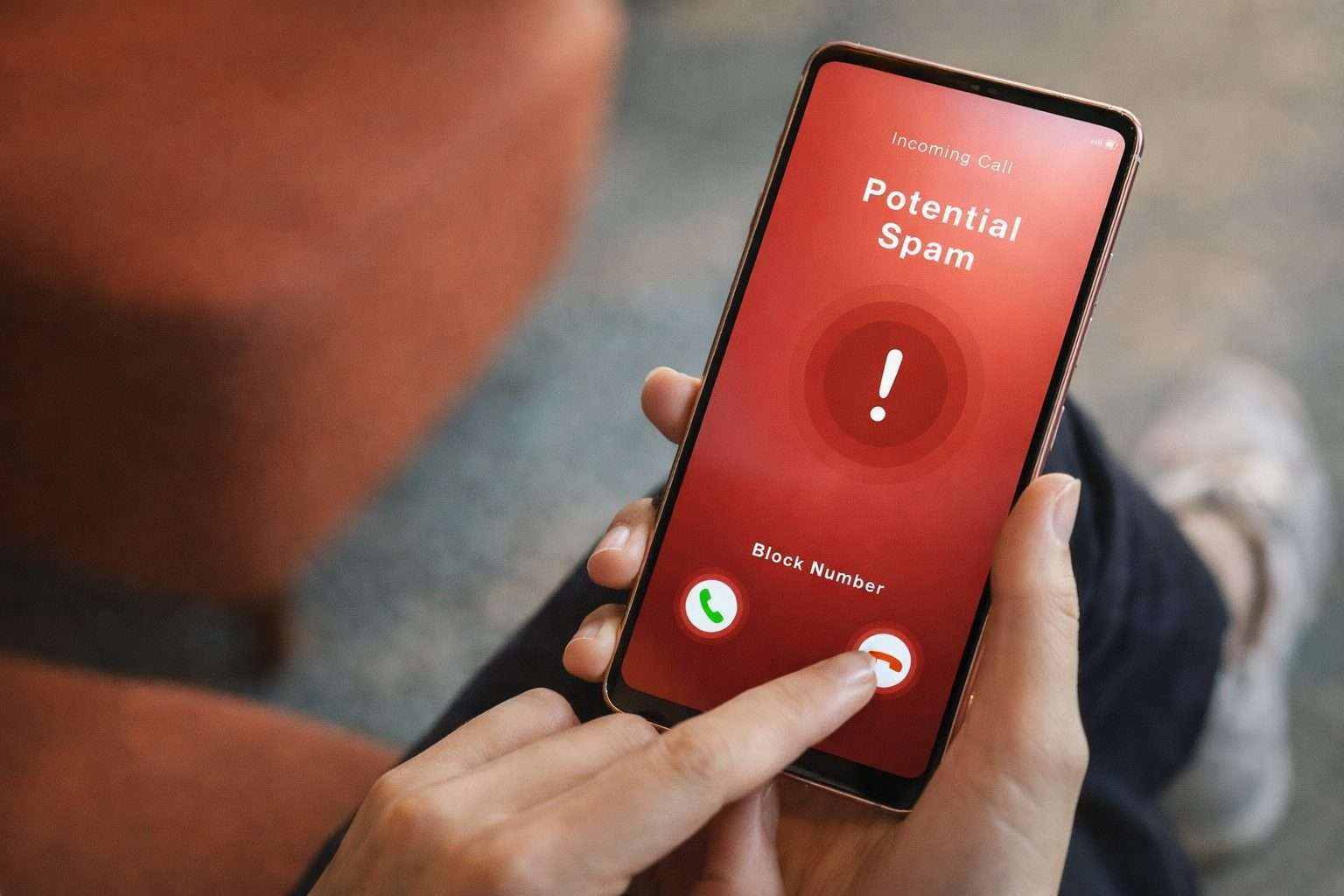
New evidence suggests Samsung’s upcoming Galaxy S26 phones might get Google’s Pixel-exclusive scam-call protection, thanks to Android CallCore support spotted on at least one model, Android Authority reported.
This shift is significant since call fraud has become an everyday headache, and Google has reserved its toughest on-device call protections mainly for Pixel phones. If Samsung rolls out comparable features on its flagship Galaxy models, it could close a key practical gap that Pixel users often mention when explaining their loyalty to Google’s devices.
This move might also strengthen the Samsung-Google software collaboration, which has been patchy when it comes to key apps. Dialer software is tricky—it interacts with carrier services, emergency call protocols, and controls data routing.
Android Authority reported getting hold of Galaxy S26 Ultra log files revealing a software “feature flag” tied to Android CallCore. This system switch, marked com.google.android.apps.callcore.SUPPORTED, signals the phone’s support for the feature. According to the site, this flag is necessary for the CallCore app to install and operate beyond just a typical user download.
Google’s Play Store shows Android CallCore as a Google LLC app, described as “included with your device as infrastructure to support phone-calling based features.” Its latest update highlights “the ability to identify Scam calls.” The listing also claims the app collects no data and doesn’t share any with third parties. Sklep Google Play
Google states its Scam Detection feature “only works on Google Pixel devices.” According to its support page, the feature is available on Pixel 6 and newer models in the U.S., and on Pixel 9 and later—excluding the Pixel 9a—in Australia, Canada, India, Ireland, and the UK. It also requires a SIM card from the country where it’s being used. Google emphasizes that all processing happens on-device, with no audio or transcription stored or sent to its servers. Pomoc Google
Google’s wider call screening feature—where your phone picks up unknown calls and displays a live transcript—is still pretty restricted. According to Google, automatic Call Screen is supported on all Pixel phones in the U.S. Manual Call Screen, meanwhile, is available in certain countries and on select non-Pixel Android devices in the U.S. and Canada.
Samsung-focused Gadget Hacks picked up on the CallCore trail, suggesting the Galaxy S26 could adopt Google-style call screening to cut down on spam calls. Still, the site flagged the feature as unconfirmed.
Just a week ago, Android Authority uncovered Galaxy S26 model numbers and a “Sharpie” codename linked to Scam Detection within a Google Phone app build. This sparked speculation about whether Samsung might preload Google’s dialer or integrate the feature into its own app. So far, neither Google nor Samsung has confirmed any plans to make that change. Android Authority
The biggest risk? The trail running cold. APK teardowns and log files frequently reveal experiments that never make it to release, and Google’s documentation continues to draw strict boundaries around which devices and regions receive these calling protections.
Privacy concerns have cropped up around call-handling tools. Google recently turned off “Take a Message” and some advanced Call Screen features on older Pixel models following a bug that might expose background audio to callers. A Google community manager told The Verge the move was done “out of an abundance of caution.” The Verge
At this stage, the clues are preliminary — an app boasting a new “identify scam calls” feature and hints of device-level support on an unreleased Samsung flagship. Whether this becomes a consumer-ready function, and where it lands, will probably hinge on what Samsung decides to include by default and how much Google extends support beyond Pixel devices.