
WARSAW, Feb 1, 2026, 13:08 (CET)
- A PhoneArena editor noted that Android fingerprint unlock sometimes feels like a regression next to 3D face scanning
- The article suggests phone manufacturers could roll out both fingerprint and 3D face unlock on more devices but frequently opt against it
- Android and device manufacturers have started ranking biometrics based on security levels, with face unlock increasingly used for payments and app sign-ins
Victor Hristov, a smartphone reviewer at PhoneArena, criticized many Android phones for relying too heavily on fingerprint unlock, calling it a “downgrade” compared to years of Apple’s 3D face scanning. In a Jan. 31 editorial, he argued the issue isn’t just speed anymore, but what users consider “secure enough” on devices that handle banking and payments. PhoneArena
Biometric checks have become central to how we handle money and identity daily. Apple’s Face ID, for example, authorizes payments and purchases using a TrueDepth camera that shoots thousands of invisible dots to create a detailed 3D map — a scan designed to be tougher to fake than a simple photo.
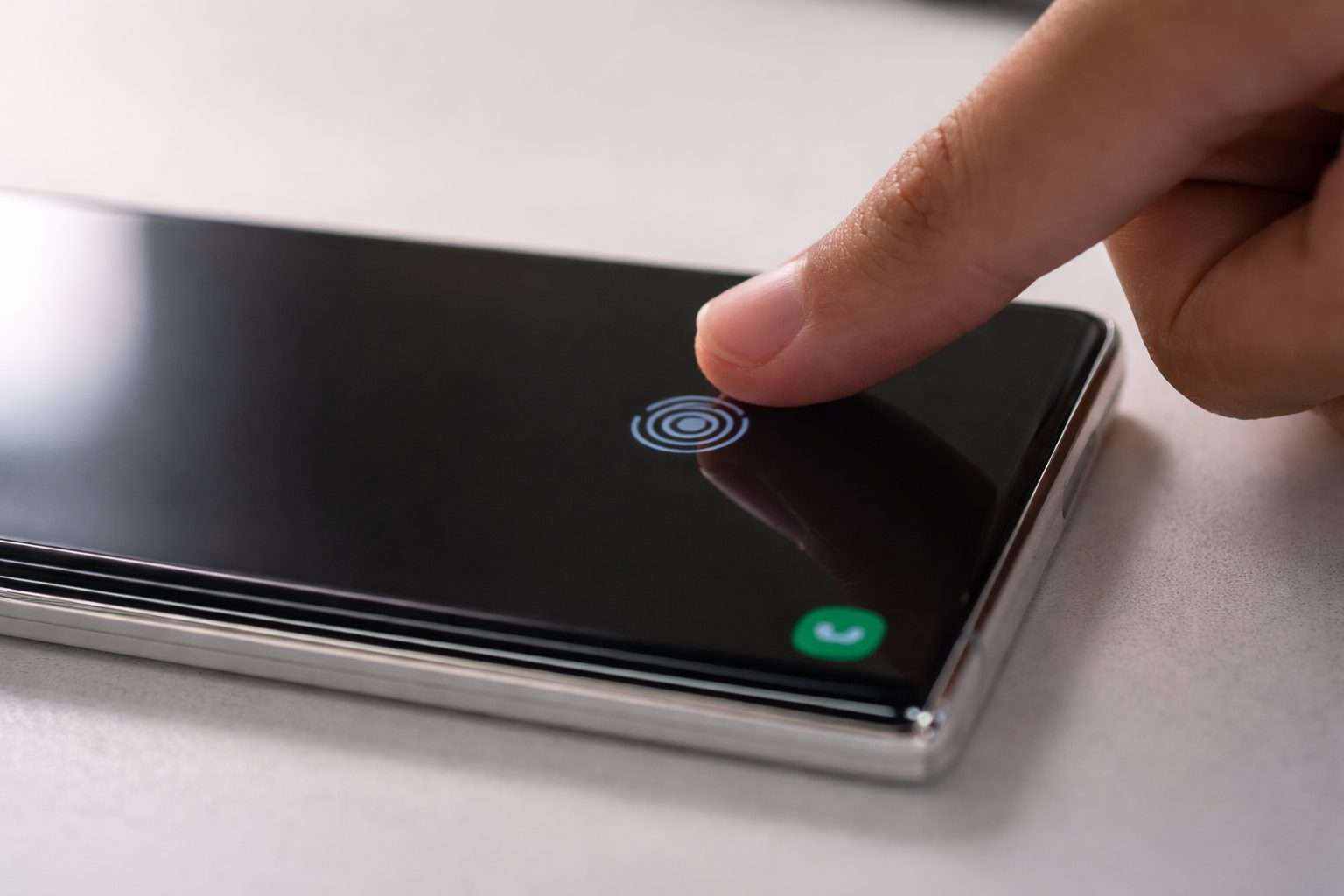
Android itself sets the bar for what qualifies as “strong” biometrics. Its documentation lays out three biometric strength classes and restricts sensitive APIs to specific authenticators. Notably, Android 12 introduced support for under-display fingerprint sensors—those hidden beneath the screen. Android Open Source Project
Hristov pointed out that numerous brands have the capability to implement stronger 3D face unlock without adding extra front-facing hardware, which helps keep the camera cutout minimal. He also noted that the majority of Android face unlock systems still use 2D camera images, which often falter in low light and are generally easier to trick compared to depth-based solutions.
He highlighted Honor’s Magic8 Pro to show that “both” can work: the phone features “Dual 3D Biometric Unlocking,” combining 3D time-of-flight face recognition with a 3D ultrasonic fingerprint sensor. HONOR
Google has expanded Face Unlock capabilities on Pixel phones but flags some limitations. According to its Pixel support page, Pixel 8 and newer models can use Face Unlock not just to unlock the device but also to verify identity for app sign-ins and purchases. However, Google warns that Face Unlock might be less secure than a strong PIN and could struggle in low-light conditions or when the user’s face is partially covered.
The Pixel 8’s new direction became clear back in 2023. According to 9to5Google, Pixel 8 Face Unlock supports tap-to-pay and banking sign-ins. Google claims it meets the “highest Android biometric standard” and integrates with Android’s BiometricPrompt system, which a wide range of apps already use. 9to5Google
The “both methods” approach isn’t exactly new. Back in 2018, WIRED’s review of a flagship phone covered an optical in-screen fingerprint reader—a sensor that actually “sees” your finger through the OLED display—and pointed out it “needs to be more reliable.” The phone also featured IR-assisted face unlock. WIRED
Hardware limitations and cost continue to hold back widespread adoption of Face ID-style security on Android devices. In a 2024 interview, Robert Devlin from Metalenz told WIRED that the demand for this kind of secure facial authentication was so high among Android vendors that some ended up releasing “substandard solutions” capable of unlocking phones without providing comparable security guarantees. WIRED
Adding more biometric hardware often means larger camera cutouts, increased component costs, and more potential failure points. Face unlock isn’t without its drawbacks either — accidental unlocks, look-alike matches, and privacy concerns. That’s why some manufacturers still push fingerprint enrollment, even when face unlock is an option.
Apple’s current Face ID support list confirms its strong commitment to the technology, covering iPhone models from the iPhone X up through the iPhone 17 series, as well as Face ID-equipped iPads.
Hristov’s core point: by 2026, buyers shouldn’t be forced to choose only one biometric option on a $1,000 phone. Whether Android manufacturers pivot could hinge on user backlash—and which devices actually sell.