
SAN FRANCISCO, February 1, 2026, 04:14 (PST)
Google is starting to roll out Video Overviews to NotebookLM’s Android and iOS apps, adding a feature that turns a user’s source material into AI-generated, narrated slide videos, Android Central and gHacks reported.
The move matters because the fight over where people do “research” has shifted to the phone. If NotebookLM lives in a pocket, Google gets more chances to make it a daily habit, not a tool you open once a week.
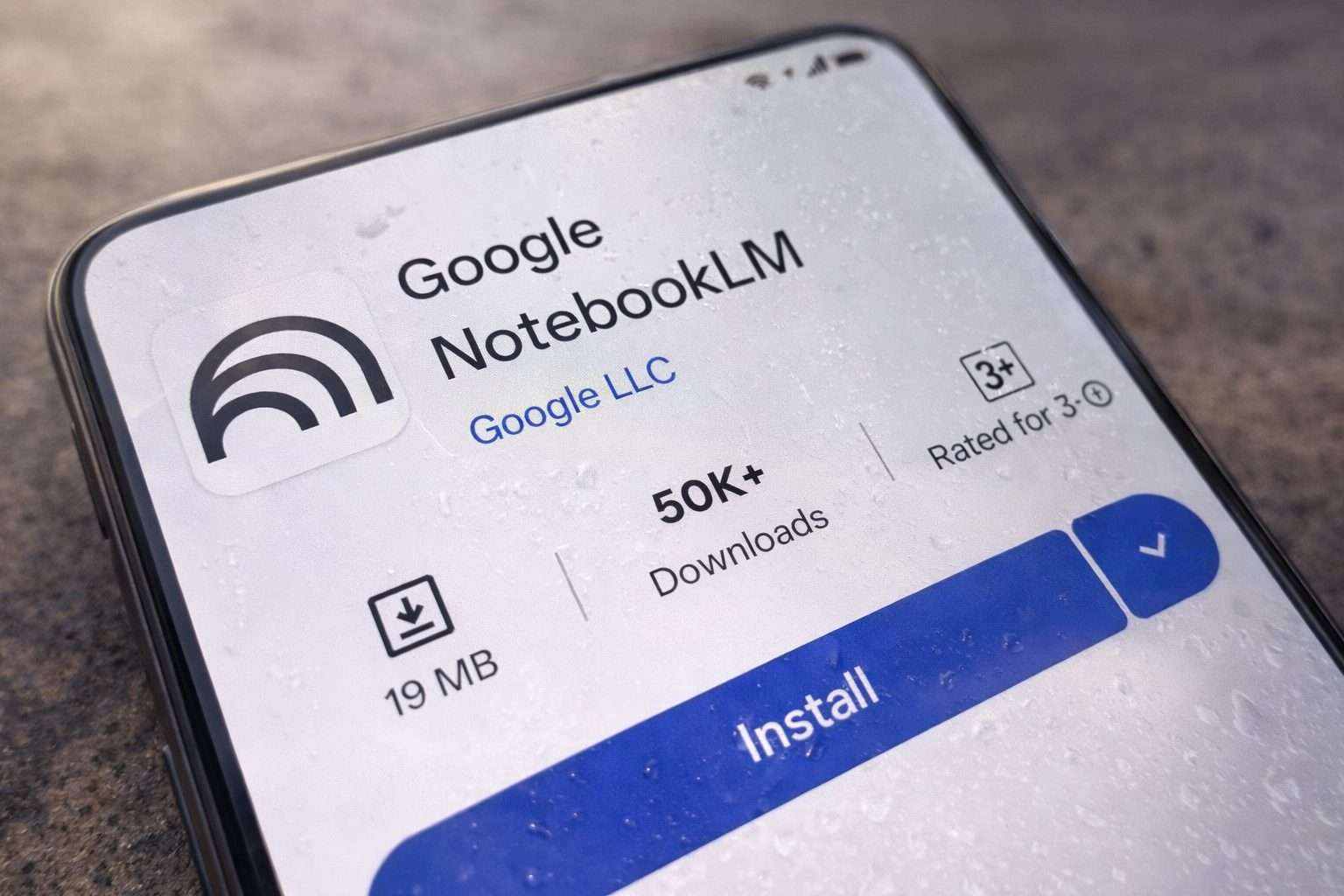
It is also a bet on trust, not just speed. Google’s Play Store description says NotebookLM works off the sources users upload and shows citations beside answers, an attempt to keep AI responses anchored to documents instead of the open web.
In a July 2025 post, Google Labs’ Shan Wang and Usama Bin Shafqat wrote the first Video Overview format “takes the form of narrated slides.” Google said the AI host can pull in images, diagrams, quotes and numbers from a user’s documents as a visual alternative to Audio Overviews. Blog
9to5Google said users can generate Video Overviews from the Studio tab in the Android and iOS apps, and replay past videos with playback speed controls. It said the same update expands infographic controls, letting users pick orientation, choose sources, set output language and add a prompt before generating.
BGR said the rollout is uneven, with some users still waiting for the option to appear. It also said mobile users have been without Video Overviews since the web version gained them in 2025.
Release notes on Apple’s App Store show an iOS update dated Jan. 22 that adds Video Overviews, plus options to customise infographics and slides, including output language and prompts. The same notes promote a new “Ultra” plan that promises “50x more content generations” and up to 600 sources per notebook. App Store
Android Authority said mobile users can create and watch Video Overviews, but some web controls remain missing, such as swapping visual styles. It said users can trigger creation from a Studio button in the notebook list or within a notebook.
But Google warns Video Overviews are machine-generated and “may contain inaccuracies or audio glitches.” A NotebookLM help page says the video can take time to generate and runs in the background, so users may need to come back later. Pomoc Google
Google launched NotebookLM’s mobile apps in 2025 after Biao Wang wrote that “one of the most frequent requests has been for a mobile app.” He said the first version would get more refinements and features over time. Blog
The update lands in a busy market for AI note tools, with apps such as Notion, Anthropic’s Claude and Microsoft’s OneNote all chasing the same study-and-work crowd. Google is betting that richer outputs on mobile — not just chat — will keep NotebookLM from being boxed into a browser tab.