
Warsaw, 08:59 CET, February 2, 2026
- An Android-centric publication reports that yearly phone releases are showing diminishing improvements and might decelerate.
- Memory-chip prices are climbing amid tight supply, putting extra strain on handset costs and consumer demand.
- Major brands extending software support means buyers can hold onto their phones for much longer.
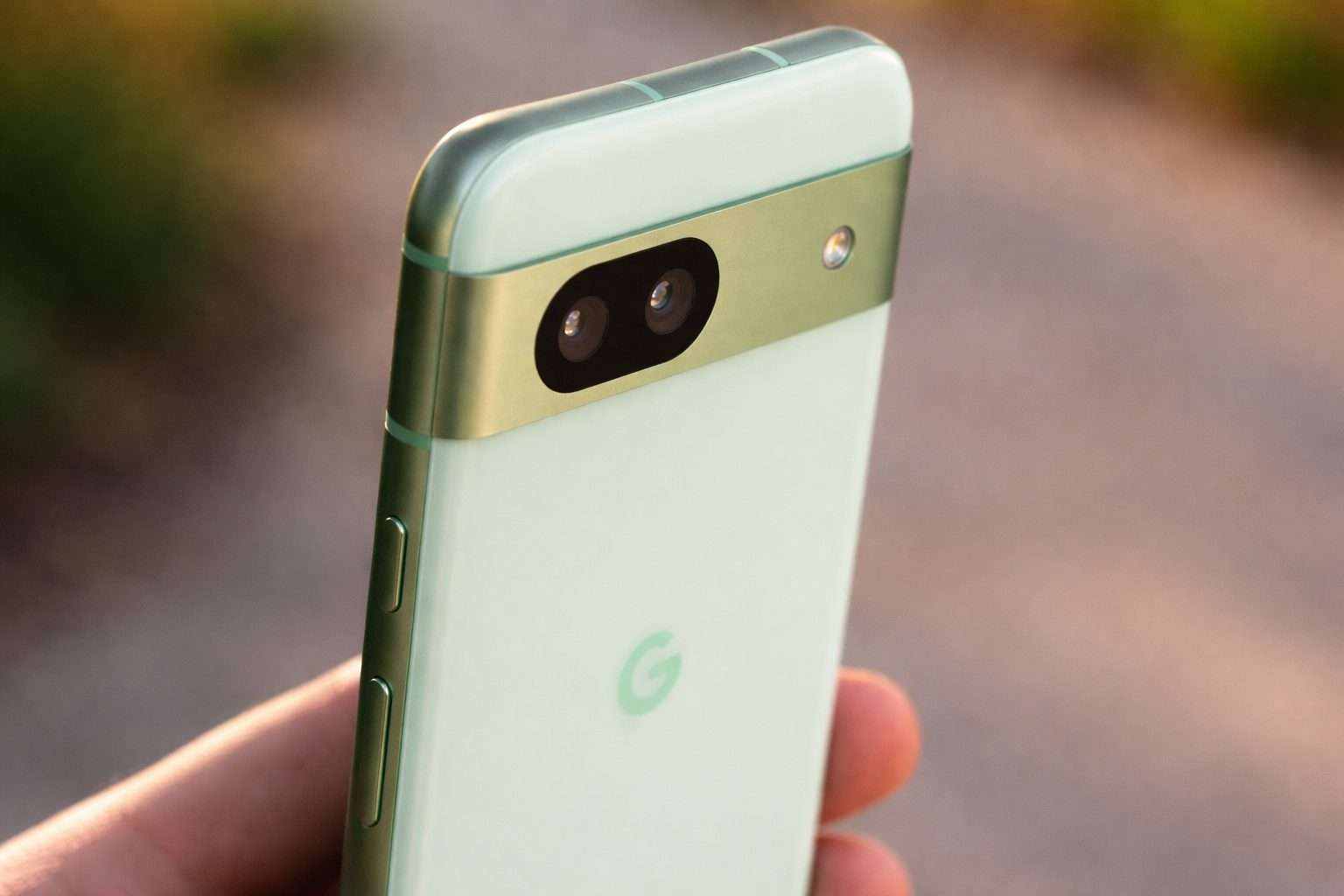
Smartphones no longer require yearly updates, 9to5Google argued Sunday, noting that improvements have shrunk to minor tweaks despite brands releasing new models on a strict schedule. The site highlighted Google’s Pixel series’ “tick-tock” pattern and Samsung Electronics’ Galaxy S line sticking to well-worn designs as evidence the market is facing diminishing returns.
The issue goes beyond fatigue. Memory chips, essential for storing data and running apps on phones, have become tougher to get as manufacturers shift production toward higher-margin AI server components like high-bandwidth memory (HBM). During an earnings call, Tim Cook noted that Apple continues to see memory prices “increasing significantly.” SK Hynix also reported that PC and mobile clients are scaling back their orders. Research firms now predict global smartphone sales will drop by at least 2% in 2026, according to the report. Reuters
This matters since the yearly launch cycle remains one of the industry’s rare dependable levers. New models trigger carrier promotions, stock retail shelves, and give marketing teams a reason to shout—often over improvements like a better camera sensor, a faster processor, or a slightly brighter screen.
Longer software support is shifting the equation for buyers. Google commits to seven years of OS and security updates for Pixel 8 and newer models. Samsung matches that with seven OS upgrades and seven years of security fixes for the Galaxy S24 series. To clarify, OS refers to the phone’s operating system—the essential software running the device—while security updates address newly discovered vulnerabilities.
For consumers, this level of support means they can afford to skip a year or two without getting stuck on outdated software. For manufacturers, it challenges the old argument that buying a new phone is the only way to keep up to date.
The 9to5Google column suggested that slowing down launch schedules might make new releases feel more significant, cutting back on frequent “spec-bump” updates and allowing for genuine redesigns. It also pointed out a ripple effect: less frequent updates mean fewer devices abandoned in drawers—or thrown into landfill—simply because a new model dropped.
Big brands don’t do patience. Apple, Samsung, and Google stick to yearly releases to guard their market share and lock users into their services and accessories. Stretching updates to two years risks ceding the spotlight to competitors, especially when one feature change can tip buyer decisions.
But slowing down has its risks. If a rival rolls out a game-changing feature, or on-device AI—tools running directly on the phone instead of the cloud—begins to require more memory and faster processors, the push to upgrade could surge again. Plus, phones don’t last forever; batteries degrade, ports break, and screens shatter.
Right now, the yearly smartphone release cycle keeps rolling. Yet rising costs, scarce components, and software that lasts longer are building pressure. By 2026, the industry faces a serious challenge: can it survive without the usual yearly overhaul?