
BRUSSELS, Feb 3, 2026, 18:12 CET
- EU regulators have launched a detailed investigation into China’s Goldwind, suspecting it of receiving foreign subsidies.
- A China-linked business group in Brussels accused the EU of deploying the tool “repeatedly and disproportionate[ly]” against Chinese companies.
- European turbine manufacturers have urged the bloc to crack down on cheap imports; companies are allowed to propose solutions.
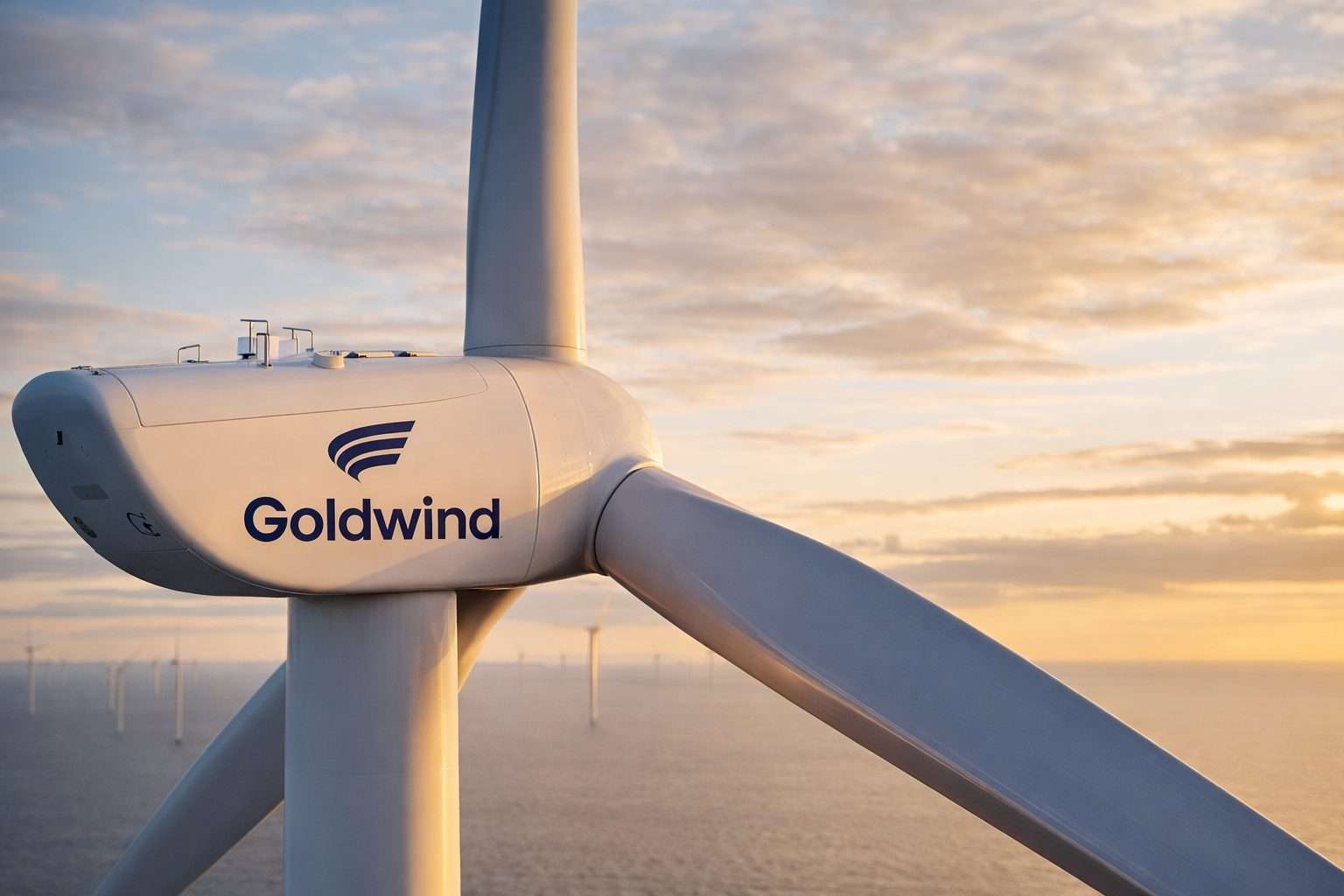
On Tuesday, the European Commission launched a detailed probe into Goldwind Science & Technology. The Chinese wind turbine maker is suspected of gaining an unfair advantage in the EU through foreign subsidies.
This move is significant as Brussels doubles down on a relatively new trade and competition tool while Europe works to rebuild its wind supply chain and defend it against cheap imports. Wind power sits at the heart of the bloc’s energy goals, yet European manufacturers warn that shrinking margins are slowing down projects.
This move comes as EU-China trade relations cool further, with officials more willing to use legal tools beyond traditional tariffs. The Commission acts as both the EU’s competition authority and enforcer of the Foreign Subsidies Regulation, enabling it to examine foreign state aid that could distort competition within the bloc.
The Commission indicated its early findings suggest Goldwind might have gotten subsidies that disrupt the EU market. It expressed “preliminary concerns” that this support could strengthen Goldwind’s market standing and undermine competition in wind turbine supply and related services.
Dow Jones Newswires also reported that the Commission plans to investigate if any support came through grants, tax breaks, or loans. Goldwind hasn’t responded to requests for comment yet, the report added.
The Commission’s move came after it sent information requests to several Chinese wind turbine suppliers, Reuters reported, citing the Foreign Subsidies Regulation.
The China Chamber of Commerce to the EU slammed the decision, expressing “serious concern” and “strong opposition” to what it described as the EU’s “repeated and disproportionate” application of the rules targeting Chinese-invested companies. According to the Chamber, Chinese firms have faced losses “amounting to billions of euros” since the regulation was enforced.
European turbine manufacturers Vestas, Siemens Energy, and Nordex have repeatedly pushed the Commission to guarantee “fair competition” across the bloc. They claim a flood of low-cost Chinese imports has distorted the market, Reuters reports.
European Commission Executive Vice-President Teresa Ribera described the investigation as a matter of single-market fairness, saying it aims to guarantee companies compete on “equal terms.” Bluesky Social
Still, this investigation isn’t a final judgment. The Commission flagged only initial worries so far. The outcome will hinge on what they uncover about the support’s specifics and how it affects competition. Companies also have the chance to propose fixes to ease regulators’ doubts.
The probe comes after warnings that subsidized Chinese turbine producers might underprice European competitors, according to industry source Recharge.