
WASHINGTON, Feb 4, 2026, 08:13 EST
- Senators Gallego and Moreno unveiled the bipartisan SCAM Act to crack down on fraudulent social media ads
- The bill mandates platforms to verify advertisers and promptly address scam reports, with enforcement by the FTC and state authorities
- The proposal comes after Meta’s ad business came under scrutiny following reports linking its revenue to scam and illicit ads
On Wednesday, U.S. Senators Ruben Gallego and Bernie Moreno unveiled a bill aimed at making social media platforms vet their advertisers. The move targets companies that earn from digital ads but allow scammers to slip through. The Federal Trade Commission, together with state attorneys general, would be responsible for enforcement.
Lawmakers are intensifying pressure on platforms over fraud spreading through paid ads, not just user posts. A press release about the bill cited Reuters, revealing Meta Platforms expects around 10% of its 2024 revenue—about $16 billion—to come from ads promoting scams and other illegal products, according to internal documents.
The Safeguarding Consumers from Advertising Misconduct Act, known as the SCAM Act, is the new proposal. It has support from the American Bankers Association and groups like AARP, who want stronger protections as scams increasingly target older Americans and siphon money from bank customers.
“We can’t stand idly by while social media companies run business models that deliberately enable scams targeting Americans,” said Moreno, a Republican from Ohio. Gallego, a Democrat from Arizona, added that platforms profiting from ads must take responsibility to prevent fraud. Iex
The bill mandates platforms to verify advertisers with government-issued IDs or documents proving the business is legitimate. It also requires platforms to quickly review and respond to scam reports from users or government agencies.
Failing to comply would count as breaking the FTC’s ban on unfair or deceptive business practices—language aimed at protecting consumers that can lead to fines and court injunctions. The bill also gives state attorneys general, the chief legal officers in their states, the power to sue over suspected violations.
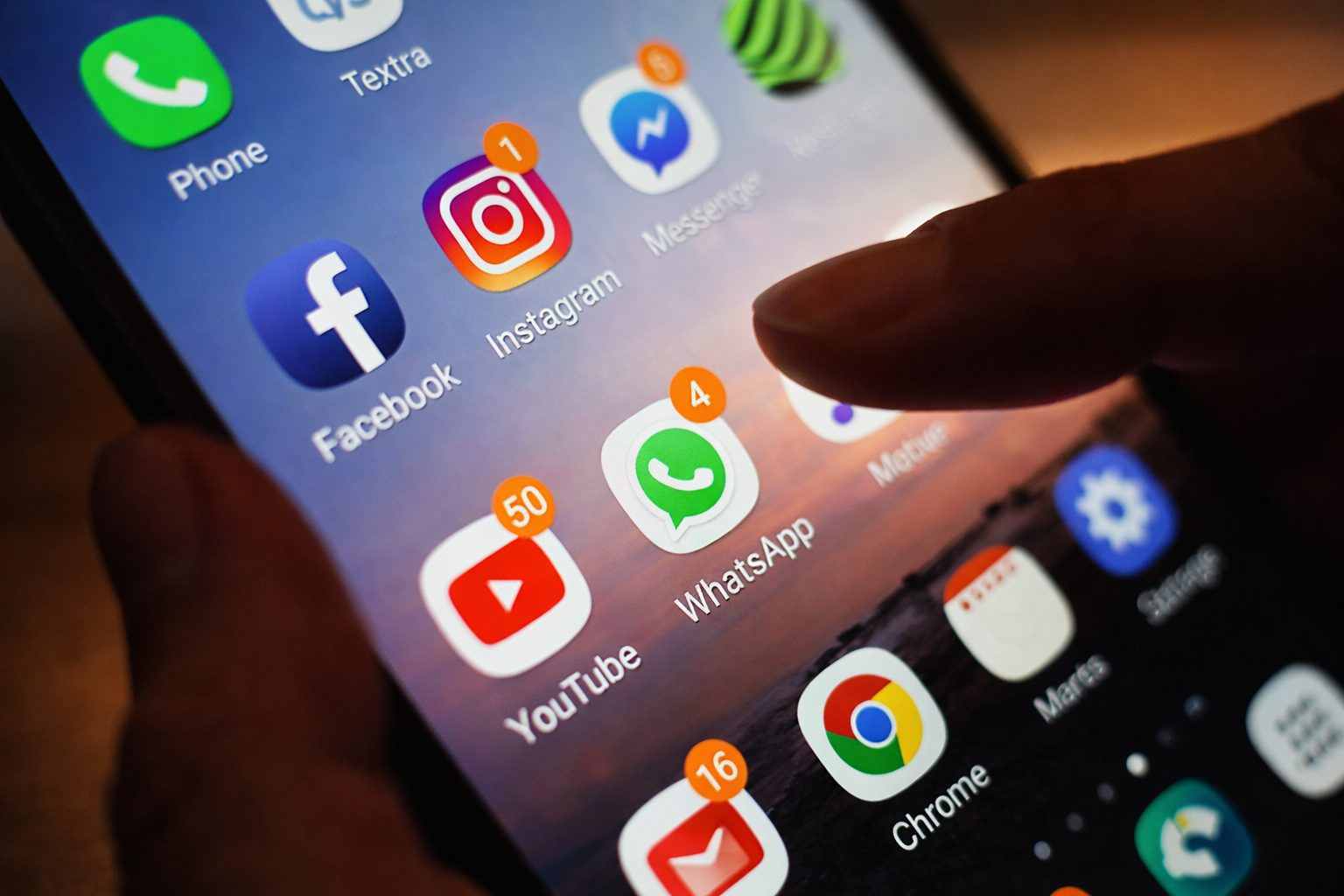
The bill comes after months of intense scrutiny on Meta, the company behind Facebook, Instagram, and WhatsApp. In November, Senators Josh Hawley and Richard Blumenthal called on the FTC and SEC to investigate Meta following a Reuters report on illegal advertising. Meta responded by saying scam reports from users had fallen 58% over the past 18 months.
Meta pushed back on the notion that identity checks are a cure-all. In a December Reuters special report, Meta spokesman Andy Stone called advertiser verification “not a silver bullet.” Meanwhile, Sandeep Abraham, once a Meta fraud investigator, cautioned that the company might be “trying to give itself a good grade for regulators” by zeroing in on what watchdogs can easily spot. Reuters
The SCAM Act still needs to pass Congress, and its “reasonable steps” clause is likely to spark major debates — it’s vague enough to trigger disputes over what platforms are required to do and the speed they must act. Even with ID verification, scammers can exploit stolen identities or set up shell companies, simply redirecting the fraud instead of eliminating it.
Gallego and Moreno’s bet is straightforward: legal risk will push ad platforms to clamp down and act more quickly when scams get reported by users or regulators. They’re trying to shift what’s been a voluntary policy in private firms into a mandatory obligation with real repercussions.