
BEIJING, Feb 7, 2026, 21:11 (GMT+8)
- Reusable experimental spacecraft lifts off on Long March-2F from Jiuquan, state media say
- Fourth such launch since 2020; China has not said how long the craft will stay in orbit
- Mission renews comparisons with U.S. Space Force’s X-37B spaceplane
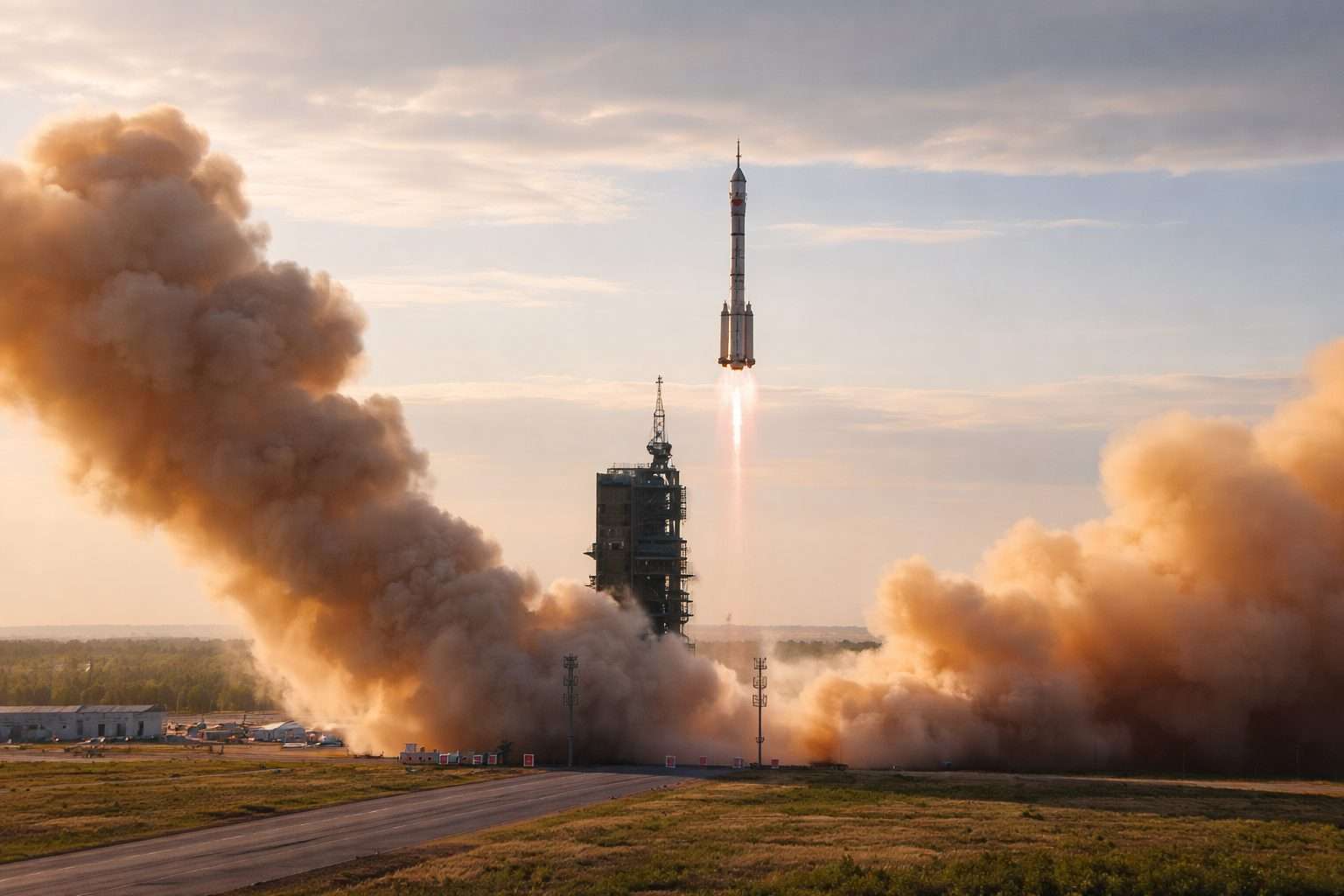
China launched a reusable experimental spacecraft into orbit on Saturday, marking the country’s fourth mission of its kind since 2020, state media reported. The craft rode a Long March-2F rocket from the Jiuquan Satellite Launch Center in northwest China.
Reusable spacecraft are seen as a way to cut per-mission costs and, eventually, increase how often a country can fly to space. Beijing has been chasing that kind of cadence, even as it releases only sparse details about what these vehicles do once they reach orbit.
The launch has drawn comparisons with the U.S. Space Force’s X-37B, another uncrewed vehicle that carries out long missions with limited public disclosure. China has not announced the craft’s official name or specifications, though Chinese space fans have dubbed it “Shenlong”, or “Divine Dragon”. South China Morning Post
Xinhua described Saturday’s flight as a round of “technological verification” for reusable spacecraft — essentially a test campaign meant to prove key systems work in space. It said the mission would support the “peaceful use of space” but gave no timeline for how long the craft will remain in orbit. Xinhua News
China’s first such test vehicle flew in September 2020 and stayed in orbit for just under two days, China Daily reported. Later flights lasted 276 days after an August 2022 launch and 268 days after a December 2023 launch, before returning to Earth, it said, adding that officials did not release pictures of Saturday’s liftoff or a detailed mission plan.
The Long March-2F is the same rocket series China uses to carry astronauts to space. Reuters has previously reported that some observers see the Chinese tests as a counterpart to the X-37B programme.
In a July 2024 Reuters report, Victoria Samson, chief director of space security and stability at the Secure World Foundation, said she guessed both vehicles were largely “technology demonstrators.” Marco Langbroek, a lecturer at Delft University of Technology, said it was “obvious” such a craft could have military applications, including inspecting or disabling other objects in orbit. Reuters
But China’s tight-lipped approach leaves the biggest question unanswered: how long this spacecraft will stay aloft. A short mission would fit early tests; a months-long flight would likely sharpen outside scrutiny about what it can do in orbit.
For now, official statements stick to broad language about verifying reusable technology and supporting peaceful space use. China has not said when the spacecraft will return, or whether it will release more details when it does.