
NEW YORK, Feb 10, 2026, 05:02 EST — Premarket
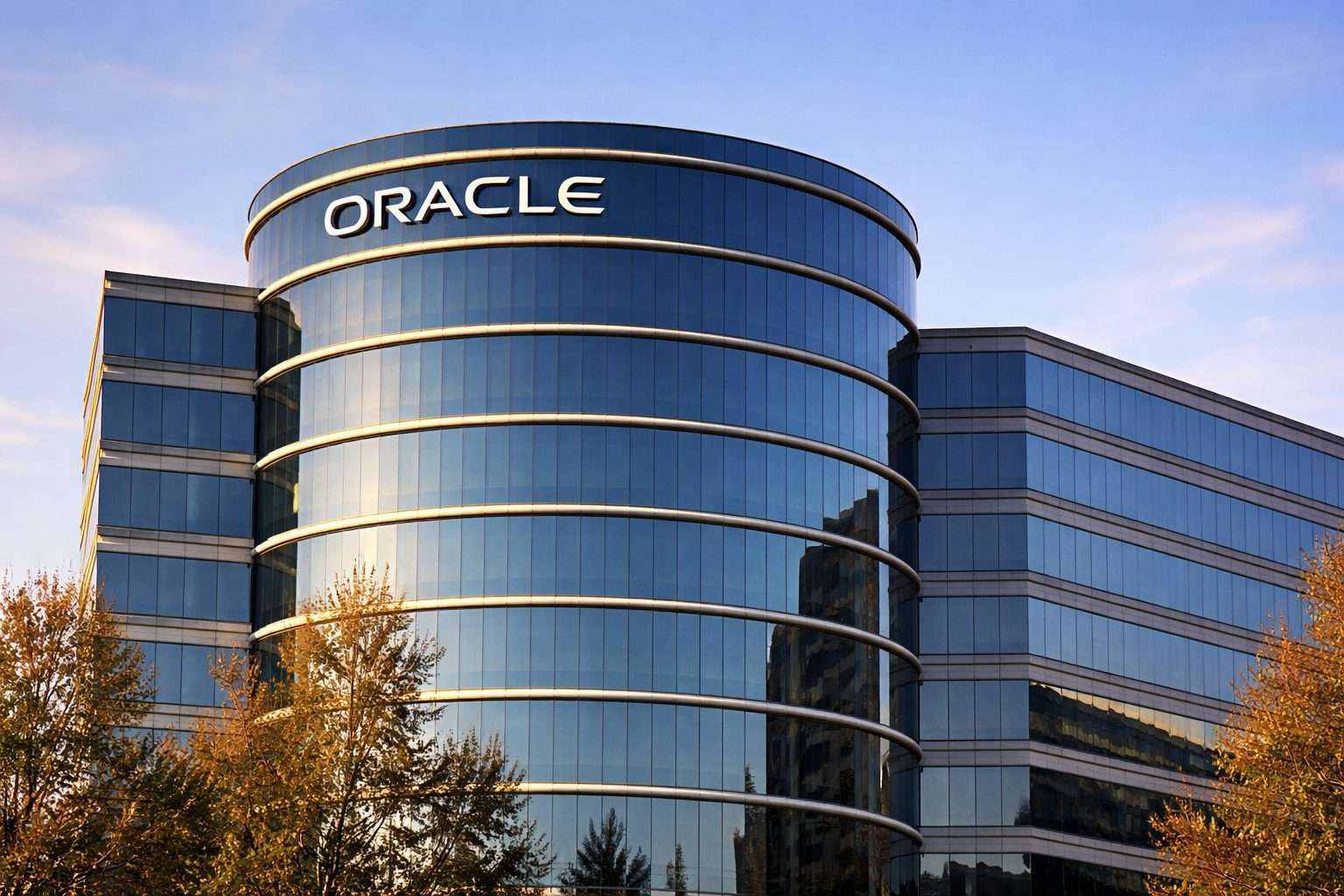
Oracle (ORCL) shares climbed 1.5% in premarket action Tuesday, reaching roughly $158.95. The stock had closed the previous session at $156.59.
After climbing about 9.7% on Monday, Oracle’s stock is posting early gains—a notable rebound after weeks of decline for the mega-cap. Investors are watching Oracle closely as a barometer for ongoing market support of expensive AI-related data-center expansions.
The debate goes back to OpenAI’s deal to purchase around $300 billion worth of computing power from Oracle over about five years, the Wall Street Journal reported last September. That massive commitment raised questions about execution risk and, quite frankly, who’s footing the bill for all that capacity.
Earlier this month, Oracle said it plans to raise between $45 billion and $50 billion in gross proceeds throughout calendar 2026, combining debt and equity. The company aims to back its cloud expansion efforts while keeping an investment-grade balance sheet intact.
D.A. Davidson lifted the stock with a “buy” upgrade and set a $180 price target, analyst Gil Luria said. He sees Oracle Cloud Infrastructure (OCI), Oracle’s cloud unit, as “pure upside” once investors get a better handle on the funding situation. Luria also highlighted what he called a clearer picture of OpenAI’s finances. MarketWatch
Melius Research took a more cautious stance, downgrading Oracle from Buy to Hold and setting a $160 price target. Analyst Ben Reitzes highlighted concerns over the stock’s valuation, pointing out that Oracle won’t generate free cash flow until the 2030s — free cash flow meaning the cash left after capital expenditures.
Melius also highlighted competitive risks in enterprise AI, noting that Oracle “doesn’t generate cash” and cautioning there’s “no guarantee that OpenAI beats Anthropic and Google.” Investing
Investors also frequently point to Oracle’s stake in TikTok’s U.S. joint venture. As Reuters noted in January, Oracle, Silver Lake, and MGX each own 15%. The deal aims to keep TikTok running stateside while tightening control over U.S. data security.
Despite bouncing back over the last two sessions, Oracle’s stock is still down roughly 54% from its 52-week peak of $345.72. The company’s highest closing price hit $326.90 on Sept. 10, 2025, per Macrotrends.
Oracle’s OCI remains behind Amazon’s AWS and Microsoft’s Azure in size, but it’s pushing hard to win over AI-heavy workloads that demand quick access to large chip clusters. Investors will be keen to see if this strategy delivers consistent, cash-generating revenue instead of just flashy contract announcements.
The risk is simple: building out the infrastructure costs a lot, and the financing could either dilute shareholders or increase leverage if demand falters. If major customers delay spending or postpone projects, Oracle might face expenses piling up before revenue catches up.
Oracle’s quarterly earnings report is set for release on March 9 after the market closes, per Yahoo Finance’s earnings calendar. Investors will focus on cloud growth metrics, capital expenditures, and details on how much of the 2026 funding plan will come from equity.