
New York, Feb 11, 2026, 16:26 EST — After-hours
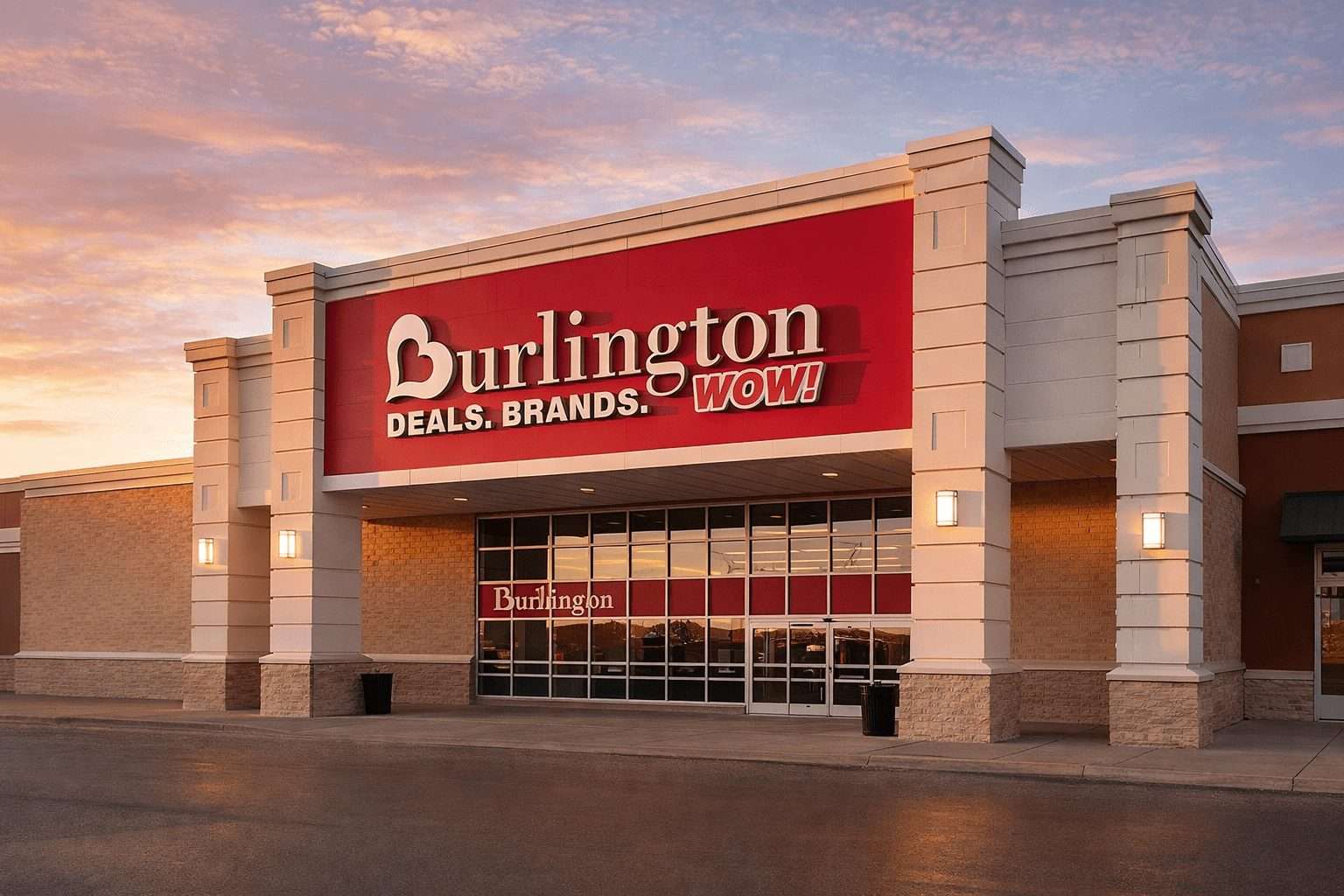
Burlington Stores (NYSE: BURL) shares ended Wednesday up 0.4%, closing at $305.83 after fluctuating between $304.62 and $310.79. The stock kicked off trading at $306.73, with 463,421 shares changing hands.
The quiet shift hits retailers at a tricky time: investors are parsing U.S. data closely after weak retail sales and before the upcoming inflation report. This has made consumer stocks jittery, even when overall market action is muted.
U.S. retail sales stalled in December, holding steady after a 0.6% jump in November, according to the Commerce Department’s Census Bureau on Tuesday. Analysts surveyed by Reuters had expected a 0.4% gain. Meanwhile, “core” retail sales—which strip out autos, gas, building materials, and food services—slipped 0.1%. Idaho Business Review
Off-price retailers showed a mixed bag on Wednesday. TJX Cos dropped 1.7%, while Ross Stores barely moved, according to market data.
Burlington remains stuck inside its 52-week range, hovering between about $213 and $318, which means the stock is vulnerable to shifts in overall risk appetite.
Investors usually zero in on comparable store sales, which track outlets open for a year or more, and margins. These figures offer early clues about foot traffic, discounting trends, and whether the company is absorbing cost hikes or passing them on.
But the consumer environment is growing more turbulent. “Consumers tightened their spending in December,” noted KPMG Senior Economist Ken Kim, highlighting softer holiday sales and tariff-driven price hikes in certain sectors. KPMG
Burlington, known for discounted apparel and home goods, markets itself as a spot where customers can downsize spending without losing access to brands. The company calls itself an “off-price retailer,” reporting net sales of $10.6 billion for fiscal 2024. Burlington Investors
Wednesday’s robust U.S. jobs report pushed rate expectations higher once more, shaking consumer stocks that react to borrowing costs and sentiment shifts. Julia Hermann, global market strategist at New York Life Investments, told Reuters the data is “constructive” because it suggests the economy doesn’t urgently need rate cuts. Now, all eyes shift to Friday’s CPI inflation figures. Reuters
Burlington’s next big event is its quarterly earnings report, set for Feb. 26, according to Business Insider’s earnings calendar. Investors will be tuned in to management’s take on demand, inventory levels, and how the spring season is shaping up after a rough finish to the holiday period for the wider retail market.