
New York, Feb 12, 2026, 14:40 EST — The session is now in progress
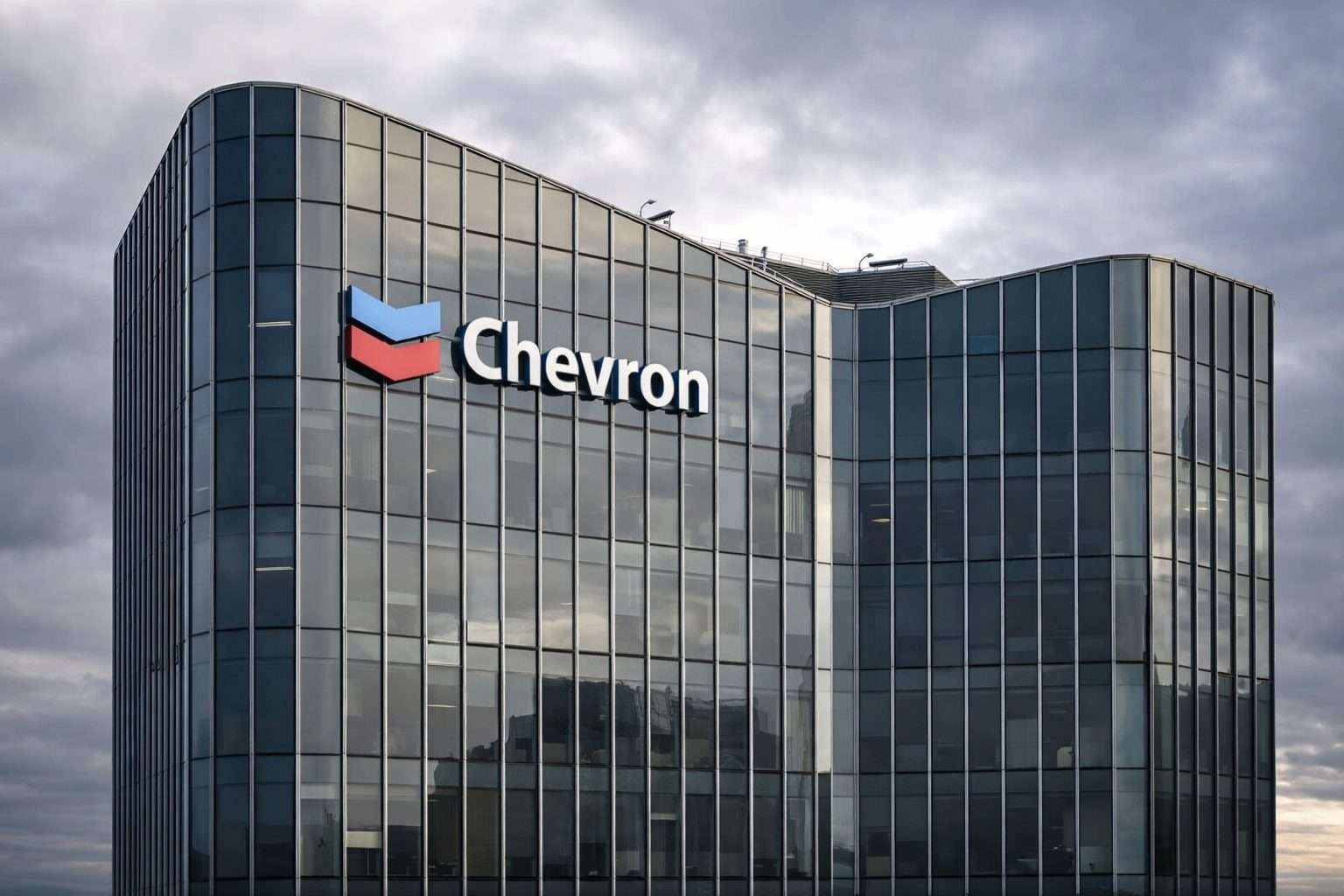
Chevron Corporation shares dipped roughly 1.4% to $183.25 in Thursday afternoon trading, fluctuating between $182.11 and $186.18.
Brent crude dropped $2, settling at $67.40 a barrel, while U.S. West Texas Intermediate slipped 3% to $62.69. The International Energy Agency pointed to weaker demand and a potential supply surplus. Andrew Lipow, president of Lipow Oil Associates, noted, “The fact that President Trump continues to negotiate with Iran would lead to a reduction of geopolitical risk.” U.S. crude inventories increased by 8.5 million barrels last week, with Lipow adding that the market expects more supply from Venezuela. Reuters
Timing is crucial for Chevron. Its stock has ridden oil’s gains this year and the steady demand for major integrated producers, but that backing can falter quickly if crude prices slip.
Exxon Mobil’s stock dropped nearly 2.9%, while BP’s U.S.-listed shares slid around 3.6%, tracking the broader move in crude prices.
Oil-linked funds dropped as well, with the United States Oil Fund falling roughly 3.4% and the Brent-focused BNO sliding around 3.3%.
Investors took note of a Bloomberg News report saying Venezuela intends to hand out more exploration and production blocks to Chevron and Spain’s Repsol as early as this week, according to sources familiar with the situation. Reuters added that Chevron and Repsol didn’t immediately reply to requests for comment.
Chevron announced it won the bid for onshore Contract Area 106 in Libya’s Sirte Basin, part of the 2025 bid round. This comes with a production-sharing agreement, outlining how output and revenues will be split with the Libyan government. “Chevron is excited to enter Libya with the award of onshore Contract Area 106,” said Kevin McLachlan, the company’s VP of exploration. Frank Mount, president of corporate business development, called both the award and a related MoU “important milestones.” Business Wire
On Wednesday, Libya revealed the outcome of its first licensing round since 2007, handing exploration blocks to foreign companies like Chevron, Eni, QatarEnergy, and Repsol. Despite ongoing political risks delaying many developments, Chevron clinched the Sirte S4 exploration license, according to Reuters.
The bigger macro swing remains oil itself. The IEA projects global supply will outpace demand by 3.73 million barrels per day in 2026, trimming its demand-growth forecast for that year to 850,000 barrels per day. Higher prices and “economic uncertainties” are taking their toll on consumption. Reuters
OPEC’s recent figures show a slight surplus in the second quarter, just before the March 1 meeting of eight OPEC+ members. They’ll likely debate whether to ramp up production again in April. OPEC+ combines OPEC members with allies like Russia.
This can go the other way too. If crude bounces back or if Venezuela and Libya provide clearer terms and timelines, attention could shift back to reserve growth. But both regions come with policy and execution risks, which the market tends to factor in quickly, especially when oil prices are already falling.
Chevron will go ex-dividend on Feb. 17, offering a $1.78 quarterly payout. The dividend is scheduled to be paid out on March 10.