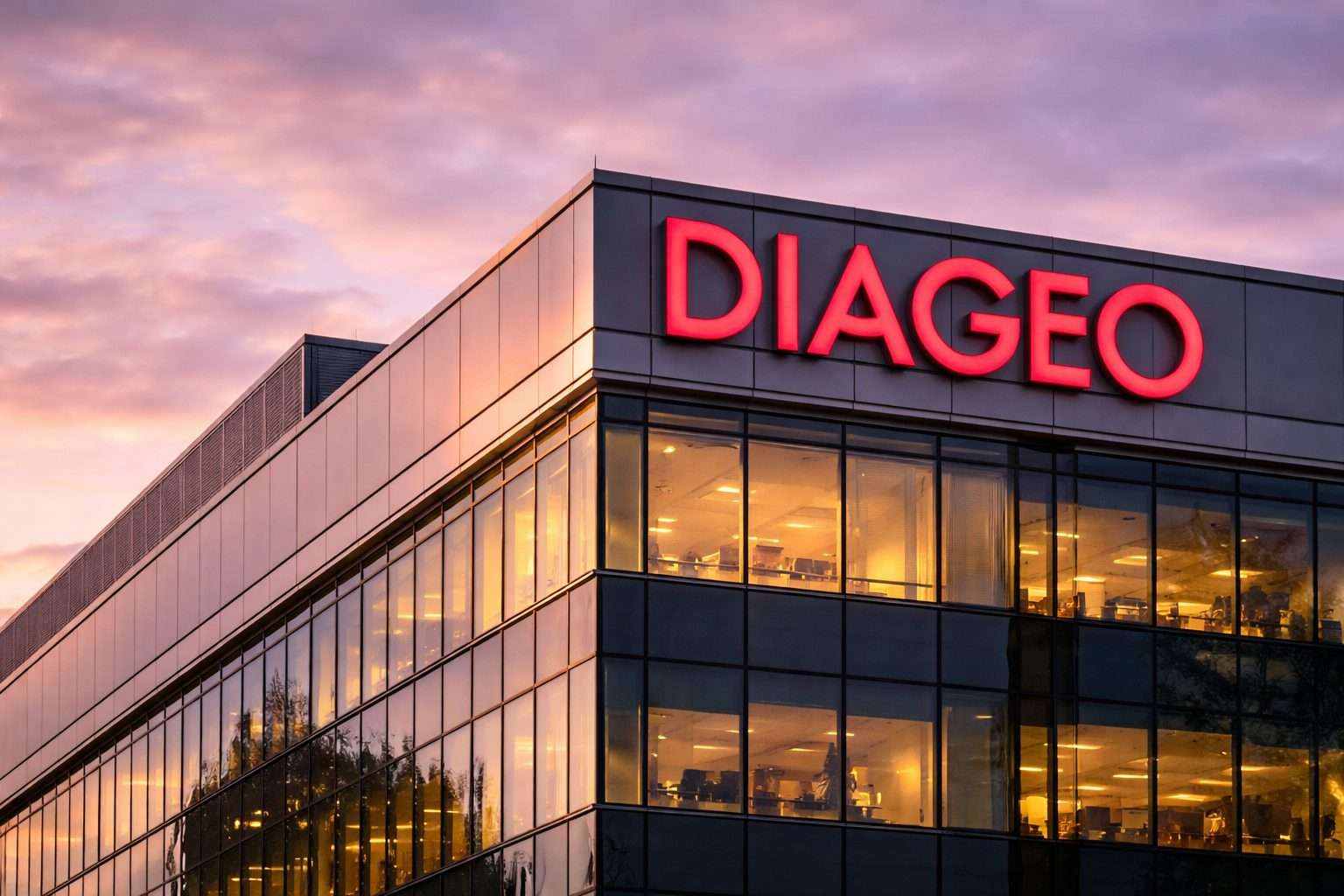

London, Feb 13, 2026, 09:15 GMT — Regular session
Shares of Diageo slipped Friday, shedding roughly 1.2% to 1,826 pence as of 09:15 GMT, following the company’s announcement that director Susan Kilsby will step in as temporary executive chair at Fortune Brands Innovations in the U.S. The stock had closed at 1,849 pence the previous session.
The update drops during a delicate stretch for the FTSE 100 giant, with investors scrutinizing both governance and board focus as much as they eye upcoming results. Kilsby holds the role of Diageo’s senior independent director—a non-executive tasked with connecting shareholders to the board—and leads the remuneration committee in charge of executive compensation.
The appointment by itself leaves Diageo’s outlook untouched. Still, it throws another variable into the mix while the company works to shore up sentiment following a tough stretch for global spirits and its own leadership shakeup.
Diageo announced that Kilsby is stepping in as executive chair at Fortune Brands Innovations starting Feb. 12, handling CEO responsibilities through May 13. After that stretch, she’ll move back to her previous spot as non-executive chair.
According to a Fortune Brands Innovations filing, director Amit Banati will step in as chief executive starting May 13. Current CEO Nicholas Fink intends to resign April 1. The company also named Kilsby interim executive chair effective Feb. 12; Kilsby will act as principal executive officer during the gap between Fink’s exit and Banati’s arrival.
Executive chairs usually take on a blend of oversight and hands-on leadership, a different role from non-executive chairs who stick to governance. Diageo hasn’t indicated any shift in Kilsby’s board role.
Back in November, Diageo tapped ex-Tesco boss Dave Lewis for the CEO post, planning for him to start in January. Investors are still trying to gauge how soon he’ll be able to shift course and spark growth. “We think this is a good move,” RBC Capital Markets’ James Edwardes Jones said when Lewis was appointed. Reuters
It’s the stock’s performance on the market that still poses the bigger threat, rather than anything happening at the board level. Diageo slashed its fiscal 2026 targets last November, warning about a weaker consumer backdrop. Interim CEO Nik Jhangiani didn’t sugarcoat it: “There’s much more for us to do, and we need to go faster.” Reuters
Debt and asset sales are still lurking in the backdrop. Calls for cost reductions and asset disposals have come from both investors and analysts, but the moment isn’t ideal; “It’s probably not the best time to be actively flogging assets,” Goodbody’s Fintan Ryan said. Reuters
Diageo is on deck to release interim numbers for the six months through Dec. 31, with results coming Feb. 25. That’s when investors will see if its early adjustments are making a dent in volumes, pricing, and cash flow.