
New York, Feb 16, 2026, 19:27 EST — Market closed.
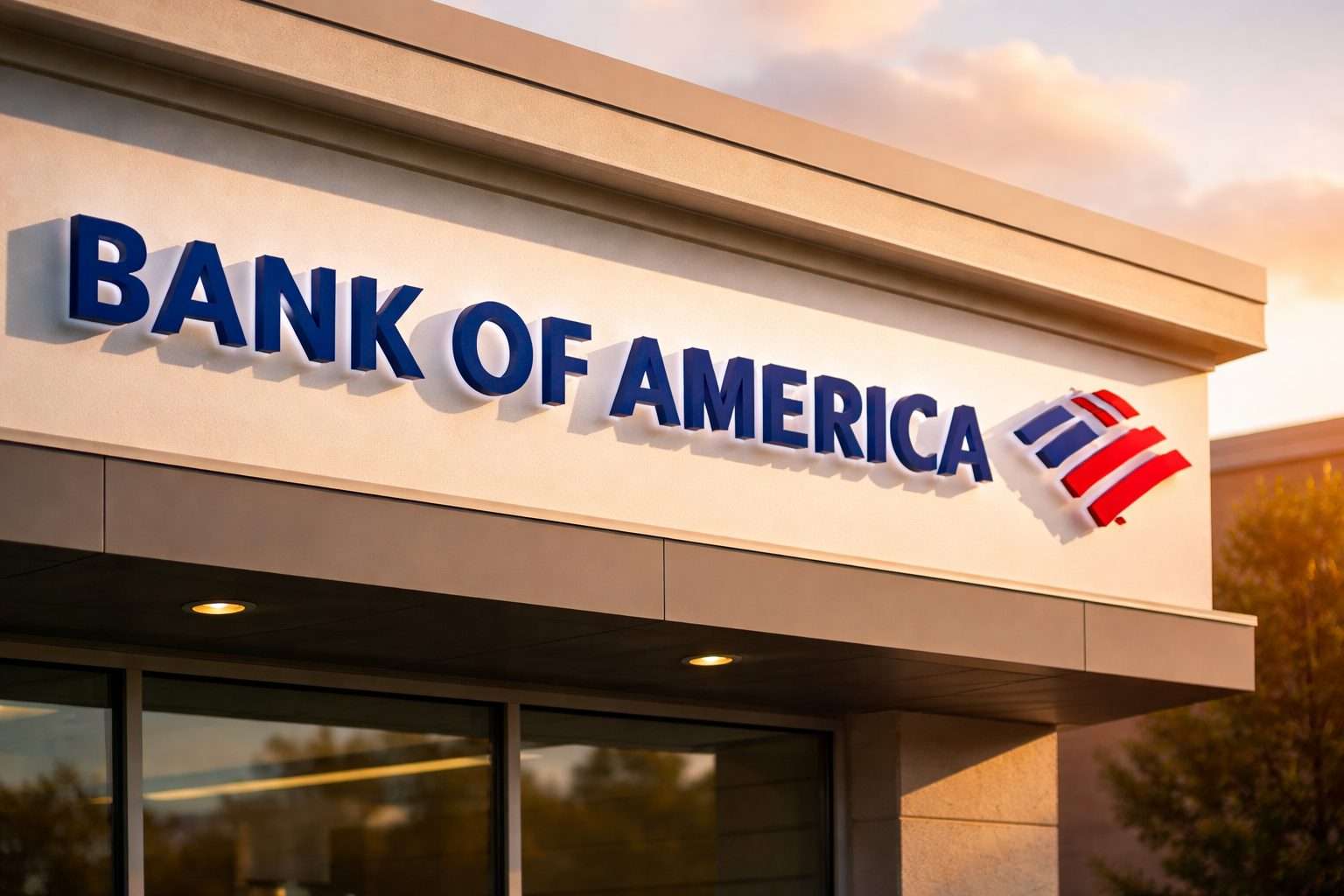
- Bank of America (BAC) was last at $52.55, down a penny, in the most recent session.
- U.S. markets reopen Tuesday after the Presidents Day holiday, with Fed minutes and key inflation data on deck.
- Traders are watching whether fresh economic numbers shift rate-cut expectations that tend to steer big bank shares.
Bank of America shares slipped a penny to $52.55 in the last session on Friday, leaving the bank’s stock price little changed as U.S. trading paused for the Presidents Day holiday.
That lull matters because BAC, like other big U.S. banks, can swing with shifts in interest-rate expectations. The market’s view of where the Federal Reserve takes rates feeds straight into bank margins and the tone around credit demand.
It also matters because this is not a quiet week once the tape turns back on. A condensed calendar packs in central bank signals and top-tier data that can reset bond yields quickly, and bank stocks usually follow.
U.S. stock and bond markets were closed on Monday for Presidents Day.
Overseas, markets steadied in thin holiday trade after a bruising run driven by AI-linked nerves, while stock futures in the U.S. kept ticking. Deutsche Bank strategist Jim Reid said in a note his team expects U.S. real GDP growth to slow to about 2.5% for the fourth quarter, and Reuters also pointed to futures pricing that still leans toward a June rate cut.
Investors have been jumpy about where the next “AI disruption” story lands. “It’s all this whack-a-mole game,” Art Hogan, chief market strategist at B Riley Wealth, said, as fears around AI competition rattled groups including wealth management and insurance. Mark Hackett, chief market strategist at Nationwide, described the leadership shift under the market as “getting embedded” in investor psychology. Reuters
For BAC, the next macro checkpoint is Wednesday: minutes from the Fed’s January meeting are scheduled for Feb. 18 at 2:00 p.m. EST, a release traders often mine for hints on how officials are weighing sticky prices against cooling demand.
Friday brings the bigger data punch. The Bureau of Economic Analysis schedule shows the advance estimate of fourth-quarter and full-year 2025 GDP due Feb. 20 at 8:30 a.m. EST, alongside the Personal Income and Outlays report — which includes the PCE price index, the inflation gauge the Fed leans on most.
But the path is not one-way. A hotter-than-expected inflation reading can push yields up and revive “higher for longer” talk, which can pressure rate-sensitive financial shares even if the economy looks fine. A softer set of numbers can do the opposite, but it can also revive questions about loan growth.
In the next session, traders will be looking first at how BAC and its large-bank peers open after the long weekend, then at whether Wednesday’s Fed minutes and Friday’s GDP and PCE prints move the whole rate complex enough to force another reset in bank stock pricing.