
NEW YORK, March 2, 2026, 07:02 EST — Premarket
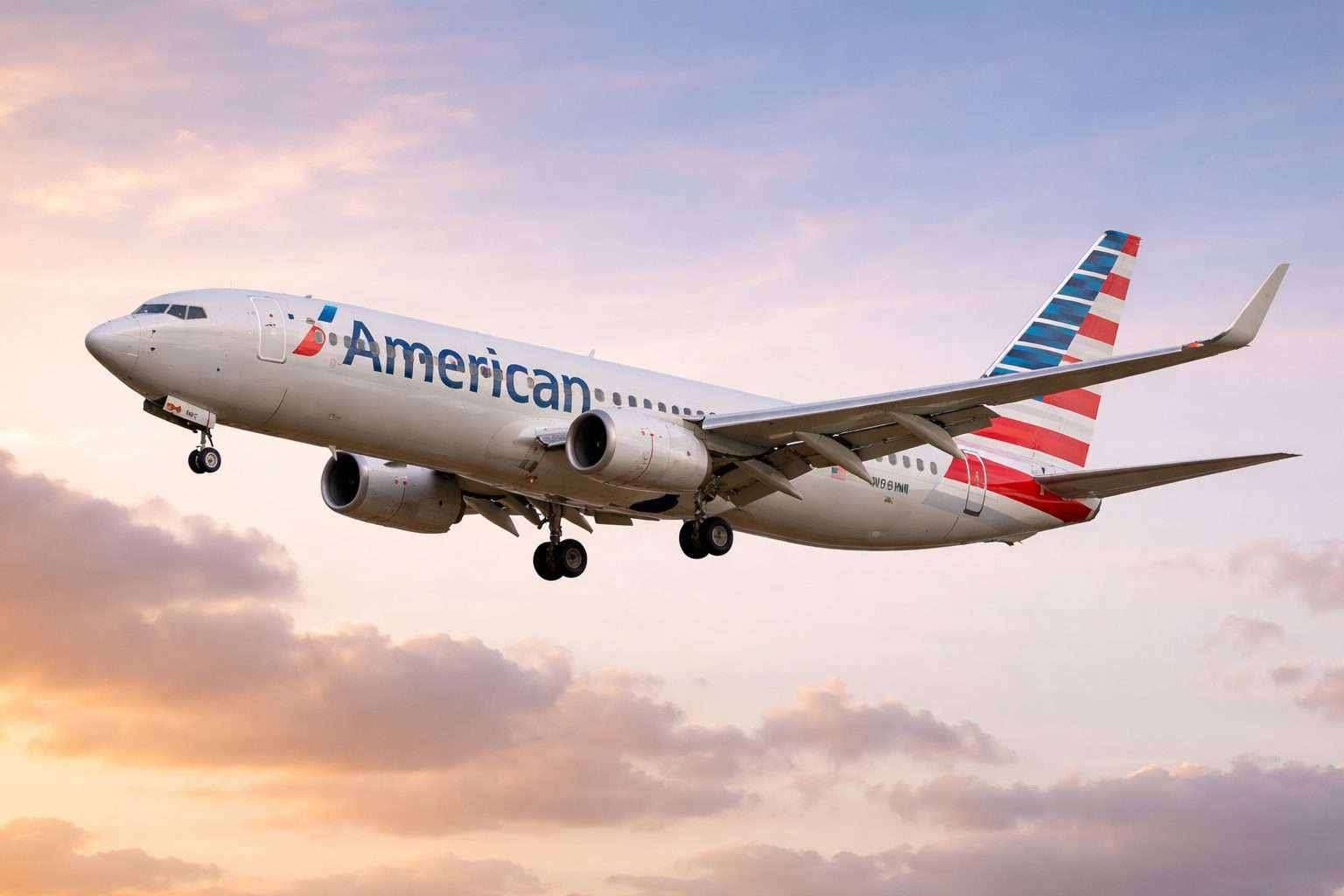
- American Airlines shares slipped almost 5% before the bell, part of a wider slide hitting travel stocks.
- Shares of airlines and cruise lines dropped, with major Middle East hubs still closed and oil prices jumping.
- Oil prices, airline schedules, and Friday’s U.S. jobs report are all on traders’ radar right now as they look for the next signal.
American Airlines Group Inc shares slipped 4.9% to $12.43 ahead of the bell Monday, following a Friday close of $13.07.
Travel shares slid further after the U.S.-Israel-Iran conflict flared up, grounding flights and shuttering major Middle Eastern airports. Dubai and Doha stayed closed for a third straight day. Oil surged roughly 7%, the highest level in months. B Riley Securities described the area as “an active war zone,” warning this would dampen travel demand. Reuters
American has issued a travel alert, letting eligible flyers headed to, from, or connecting through Abu Dhabi, Amman, Bahrain, Doha, and Dubai skip change fees, its website shows. The airline’s waiver covers tickets purchased on or before Feb. 27 for trips set between Feb. 28 and March 15. Customers need to adjust their travel by March 15 to qualify.
American has scrapped its Doha route, according to Business Travel News, which referenced data from Cirium. The carrier’s Tel Aviv flights remain grounded as well—service halted back in October 2023, and though a March 28 restart was planned, that hasn’t happened yet.
U.S. stock index futures slipped more than 1%, while crude jumped roughly 8%—shipping snarls in the Strait of Hormuz sent energy prices higher, according to Reuters. Shares of Delta and United both dropped around 6% before the bell. IG analyst Chris Beauchamp flagged “plenty of scope for more downside” should the conflict broaden and threaten oil and gas infrastructure. Reuters
Fuel costs make up a major chunk of airline expenses, so it’s no surprise airline stocks tend to move with jet fuel prices. While certain carriers do hedge by securing prices in advance through contracts, this protection isn’t always consistent or long-lasting.
Premarket trading tends to be light, with early swings often flipping when regular hours kick in and volume picks up. If Gulf airspace reopens soon or oil prices dip, some of the strain could lift. Drawn-out closures, though, mean higher costs from longer routes, more refunds, and softer bookings for the spring travel season.
Eyes remain on Middle East flight schedules and whether airlines flag any fresh bumps in expenses. Stateside, Friday brings the Labor Department’s February jobs report, hitting at 8:30 a.m. ET on March 6—a figure that tends to jolt risk sentiment in travel and beyond.