
London, March 4, 2026, 09:43 GMT — Regular session
Highlights:
- NatWest shares picked up in early London trading, snapping back a bit after two tough sessions for UK banks.
- The lender rolled out another round of buybacks, tied to its 2026 capital return blueprint.
- Oil-fueled inflation worries are in focus for investors, along with signals from the Bank of England on rates.
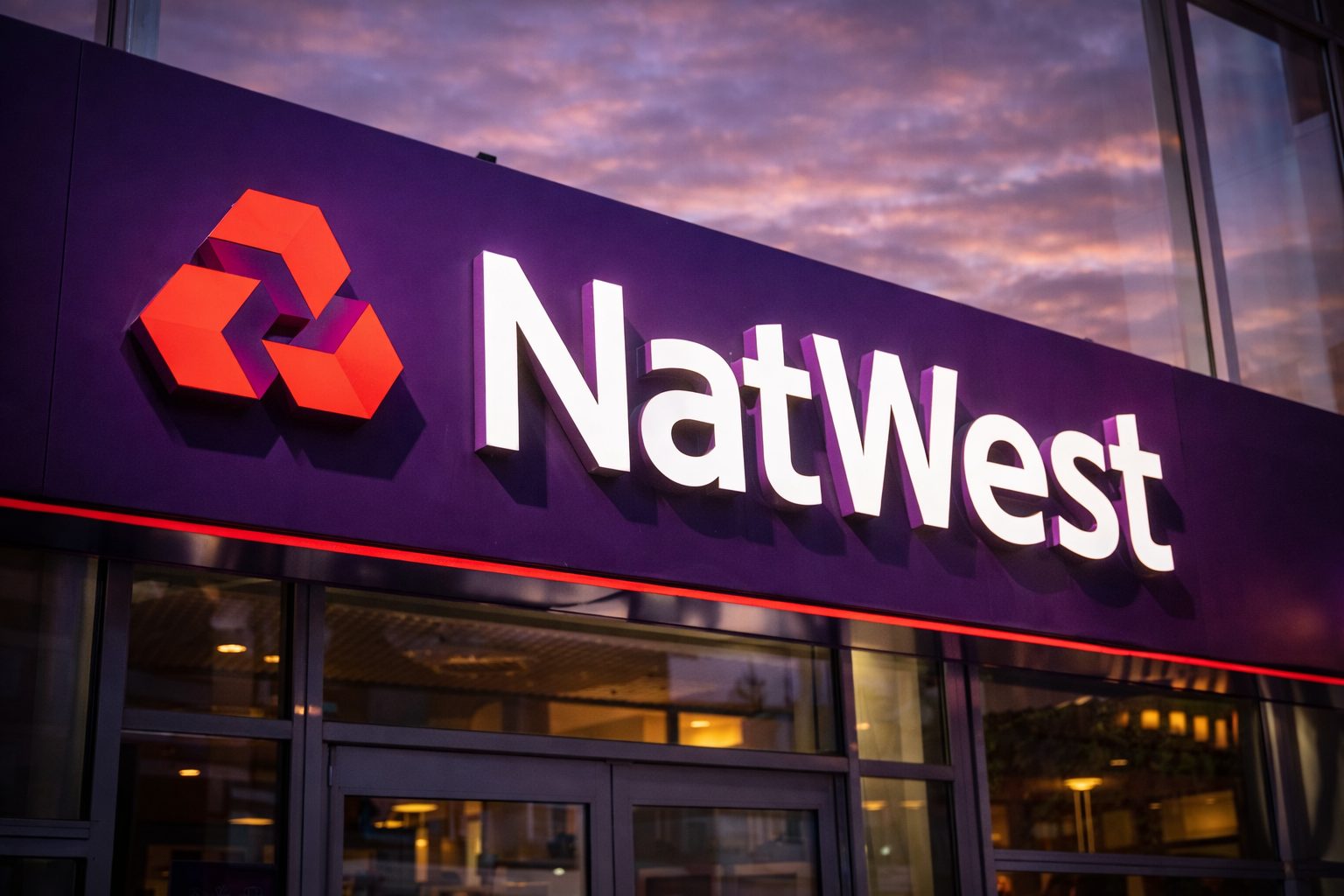
NatWest Group NWG.L shares edged up on Wednesday, finding some footing after UK banks were rattled by a surge in oil prices and a spike in bond yields.
This shift is significant as UK rate expectations swing fast, pushing bank earnings and credit risk in different directions. When rates rise, margins on new loans get a boost—though borrowers may feel the pinch, squeezing demand in the process.
NatWest edged 0.2% higher to 587.2 pence as of 09:44 GMT, swinging from 583.6 to 589.2 pence earlier.
Lloyds and Barclays edged up as well, tracking a cautious rebound in the sector following a broad-based risk-off move that had pulled the FTSE indexes down earlier this week.
NatWest disclosed late Tuesday that it had repurchased 1,032,925 shares for cancellation, shelling out an average of roughly 585 pence per share—volume-weighted—across trading venues. The buyback is part of the bank’s ongoing programme.
The shares dropped 2.5% Tuesday, following a 2.9% decline Monday. Bank stocks slumped, tracking the broader London market.
Energy’s still steering the story. Brent surged again over the past few sessions. On Wednesday, Goldman Sachs upped its second-quarter Brent target in a note, cautioning that if Hormuz shipments remain blocked, “Brent prices would likely reach $100.” Reuters
That’s having a direct impact on rate bets. Paul Dales, chief UK economist at Capital Economics, noted the Bank of England is likely “more sensitive to the upside risks to inflation” than a few of its counterparts. Traders have sharply reduced the odds of a cut this month. Reuters
Much remains up in the air. Should the oil shock drag on, attention could shift away from net interest income, with investors zeroing in on potential trouble spots for bad debts—unsecured lending and small business credit likely at the top of the list.
Eyes turn to the Bank of England’s policy call slated for March 19. NatWest, meanwhile, has marked March 17 for CEO Paul Thwaite’s spot at Morgan Stanley’s European Financials Conference.