
NEW YORK, March 4, 2026, 06:28 (EST)
- The KOSPI in South Korea just posted its steepest single-day drop ever, with chip stocks leading the sell-off.
- With oil prices surging, inflation is once again front and center in trading—complicating prospects for interest-rate cuts.
- Wall Street whipsawed, traders keeping a close eye on the Strait of Hormuz for any hint of trouble.
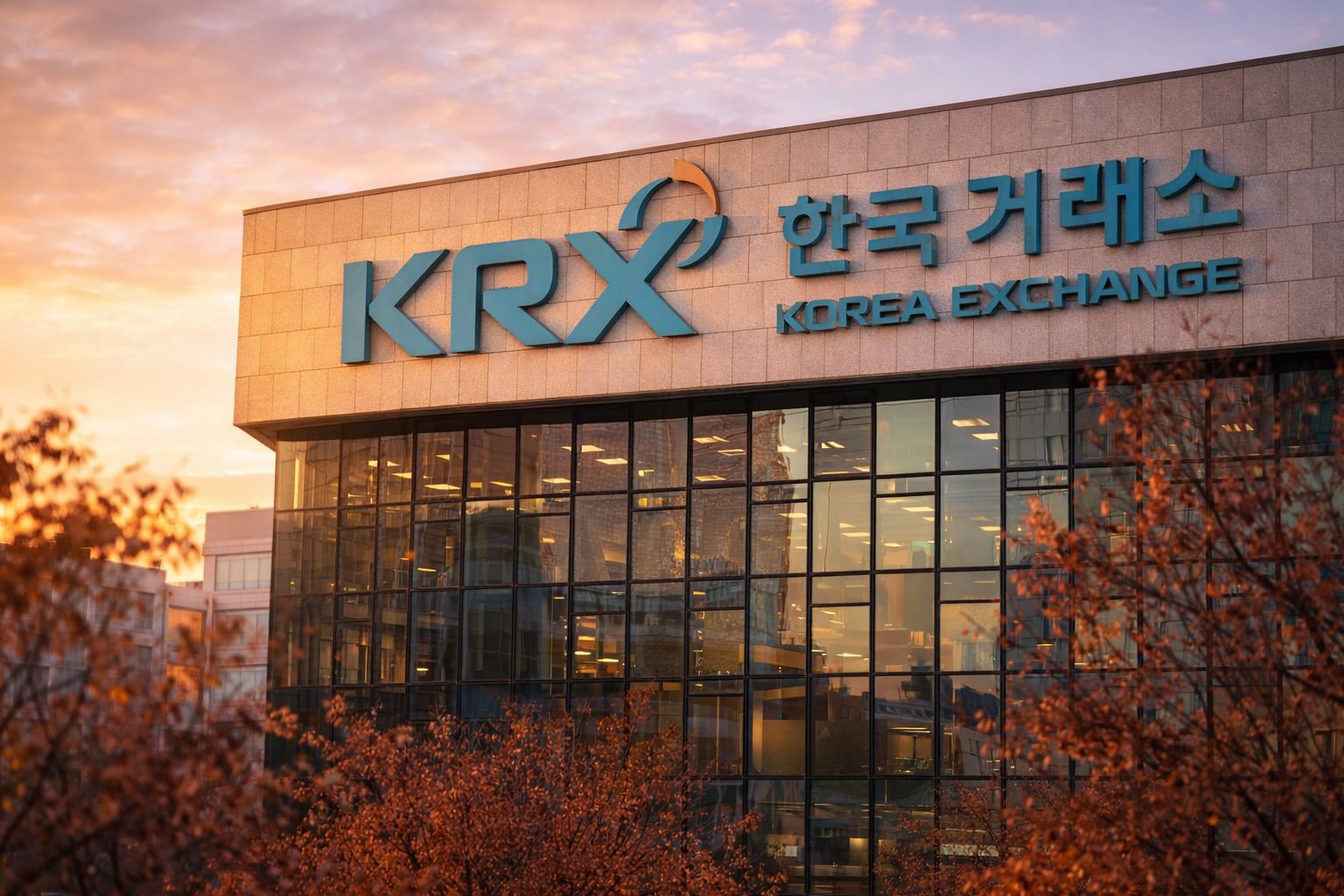
Shares in South Korea tumbled 12% Wednesday—marking their sharpest one-day fall on record—as the Iran conflict escalated and oil prices rose, rattling economies reliant on energy imports and prompting investors to slash risk.
This selloff hasn’t stayed in just one part of the market. Traders are shifting focus—less on headline moves, more on a stubborn wave of oil-fueled inflation that threatens to keep borrowing costs elevated for an extended stretch.
Stock index futures slipped early in U.S. trading, with oil prices climbing and stoking inflation worries as traders held off for new economic updates like the Fed’s Beige Book and private-sector jobs numbers. The Strait of Hormuz, a crucial corridor handling roughly 20% of the world’s oil and LNG shipments, has emerged as the focal bottleneck for markets.
Wall Street clawed back much of its earlier losses by the close Tuesday, but still ended in the red. Oil prices spiked. Volatility jumped. “This damage is being done because the war keeps spreading,” said Kevin Gordon, head of macro research and strategy at Charles Schwab. Reuters
Investors across Asia unloaded “high-beta” stocks on Wednesday—those known for outsized price moves—reacting to a conflict that suddenly looks more drawn out than first feared. “Asia’s selloff is turning disorderly,” warned Charu Chanana, chief investment strategist at Saxo in Singapore. Reuters
Some U.S. investors are shrugging off geopolitics, refocusing on profit potential instead. “We know that usually when there’s conflict around the world, it doesn’t go on to materially impact the direction of US corporate profits,” said David Stubbs, chief investment strategist at AlphaCore Wealth Advisory. Even with the Dow seeing sharp intraday moves this week, that outlook hasn’t changed. News Channel 3-12
Seoul’s market action has zeroed in on the AI chip surge—now sharply reversing. Reuters flagged that Samsung Electronics and SK Hynix, both at the core of the trade, each tumbled about 20% in this holiday-shortened week.
Europe managed to stabilize after sharp losses earlier in the week. The STOXX 600 posted gains, but Spain trailed behind as U.S. President Donald Trump warned of a possible trade embargo tied to Iran-related basing rights. “It’s not often that you get an obvious catalyst,” IG’s Chris Beauchamp said, referencing Trump’s remarks. Reuters
South Korea hit the brakes with a “circuit breaker” as trading swung sharply, the automatic halt highlighting just how quickly liquidity can dry up when funds scramble to cover losses or satisfy margin calls elsewhere.
The same dynamic hammering importers could just as easily reverse if tensions cool or shipping lanes clear up. Fed policymakers haven’t nailed down how much of the oil rally will actually show up in consumer prices; Cleveland Fed President Beth Hammack told the New York Times it’s still “too early” to size up fallout from the war and signaled support for holding rates steady “quite some time.” Reuters
Right now, traders are favoring dollars and cash, while seesawing rate-cut bets and rising bond yields track the comeback of inflation jitters. Gold’s been swinging as well, underscoring that when markets are tense, “safe haven” often comes down to what’s liquid, not just what’s classic.
All eyes now on two things: tankers in the Gulf, and the next round of inflation and jobs numbers. The rest is just commentary.