
NEW YORK, March 4, 2026, 07:31 (EST)
- American Airlines has widened its travel waiver policy to include passengers holding tickets through various Middle East hubs, as well as Tel Aviv and Cairo.
- Airline shares struggled, weighed down by rising oil prices and detours from airspace closures that lengthened flight paths.
- U.S. officials scrambled to set up charter flights for Americans still stranded, with disruptions dragging on into a fifth day.
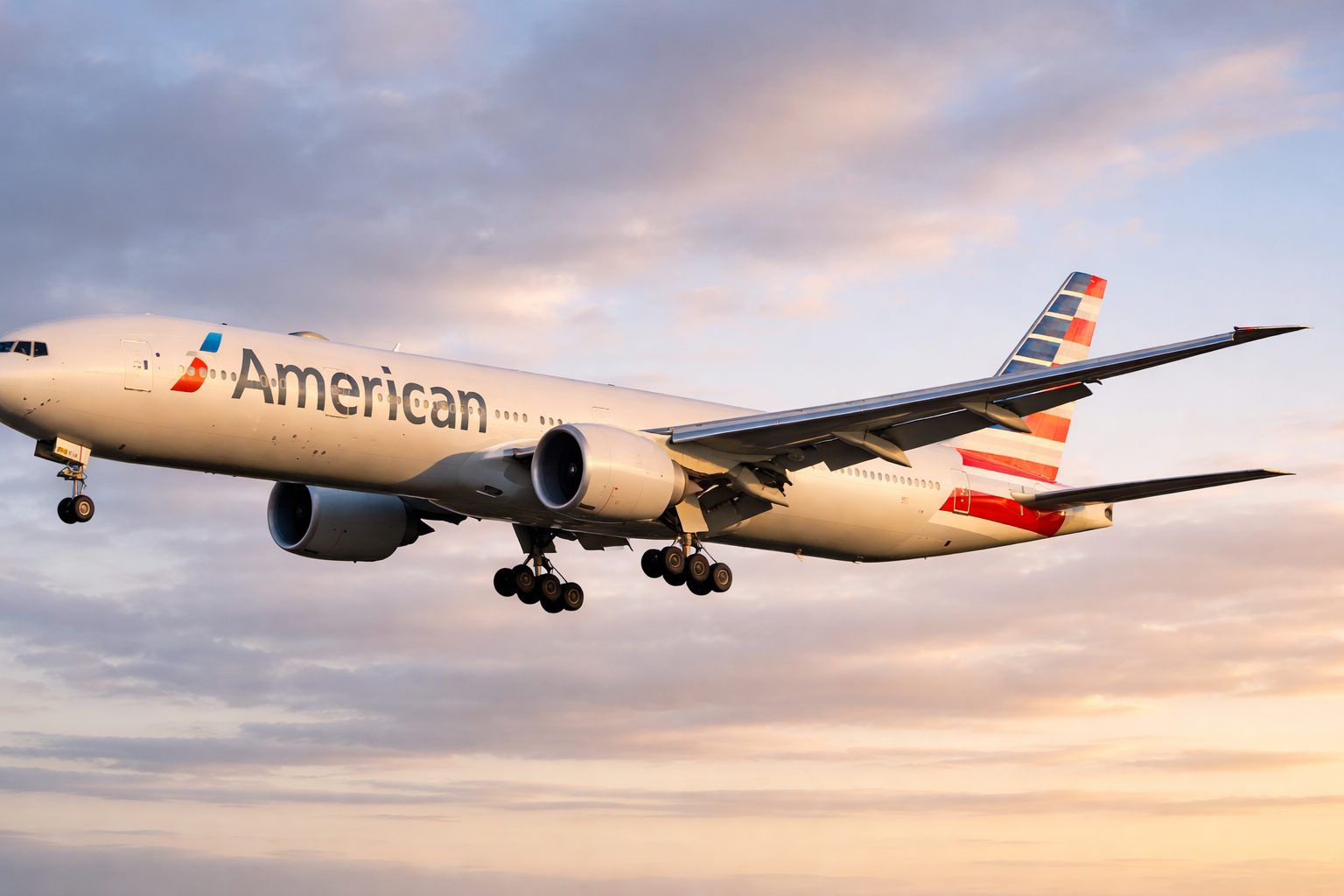
American Airlines Group Inc (AAL.O) dipped 6 cents, or roughly 0.5%, to $12.46 ahead of the bell on Wednesday. Airline shares have been jolted all week, with Middle East conflict driving fuel prices up.
With the U.S. and Israel ramping up airstrikes on Iran, flight disruptions have hit hard across the Gulf. Dubai and other major hubs have either closed or put heavy limits on traffic, jamming up a crucial link for long-haul routes connecting Europe and Asia. Since the strikes started, Flightradar24 tallied roughly 21,300 canceled flights across seven big airports, stranding passengers and sending airlines into a scramble over how to juggle crews and planes. “There are important differences across carriers that will shape the actual impact,” said Karen Li, who leads Asia infrastructure, industrials and transport research at J.P. Morgan. Reuters
Markets reacted fast. U.S. airline stocks, including American, United, Delta, and Southwest, each lost about 4% on Tuesday, pressured by Brent crude’s climb past $83 a barrel and renewed worries over jet fuel costs. Since Saturday, more than 19,000 flights headed for the Middle East have been canceled, according to Cirium. Tourism Economics projects the conflict could wipe $34 billion to $56 billion off the region’s visitor spending this year. “It’s pretty well the biggest shutdown we’ve seen certainly since the COVID pandemic,” said Paul Charles, chief executive at luxury travel consultancy PC Agency. Reuters
By Wednesday, some relief showed up in airline stocks across sections of Europe and Asia as repatriation flights got underway. Still, much of the region’s airspace stayed quiet, and Dubai extended its closure into a fifth straight day. “Airlines have hedged around 50% of their jet fuel needs,” said Morningstar’s Lorraine Tan, referring to the practice of locking in prices in advance. That’s given a few carriers a cushion against soaring fuel expenses. Reuters
American has issued travel alerts, waiving change fees on tickets purchased by Feb. 27 for flights to, through, or from Abu Dhabi, Amman, Bahrain, Doha, Dubai, and Larnaca, covering travel dates from Feb. 28 to March 15 with rebooking options available until March 29. On select routes, eligible customers can also opt to cancel and request a refund. There’s a separate waiver in place for Cairo and Tel Aviv, valid for tickets bought by Feb. 27 and travel scheduled from Feb. 28 to March 10.
Storm forecasters placed the Dallas-Fort Worth metroplex—American’s largest hub—under a “slight” risk for severe weather on Wednesday, warning of possible damaging winds, hail, and an isolated tornado. The Storm Prediction Center at the National Weather Service also pointed to a risk of severe storms in parts of Texas and neighboring states through the weekend, with the threat zone widening by Friday. The Washington Post
The State Department has begun arranging charter flights out of the United Arab Emirates, Saudi Arabia and Jordan for Americans wanting to exit the region, after lawmakers took aim at the timing of its evacuation alerts. Secretary of State Marco Rubio told reporters that about 1,500 U.S. citizens had asked for help leaving. An official added the department was also “actively securing military aircraft.” Reuters
Time remains the wild card for American and rivals. Should the conflict ease and oil prices fall back, shares might bounce, and airlines could get to work unsticking the jam of stranded travelers.
If delays persist, airlines get hit on costs early. Rerouted flights mean higher fuel use, pricier tickets often follow, and vacation travel demand can take a hit—hardly ideal as carriers move toward the packed spring travel stretch.