
Sydney, March 6, 2026, 18:21 (AEDT)
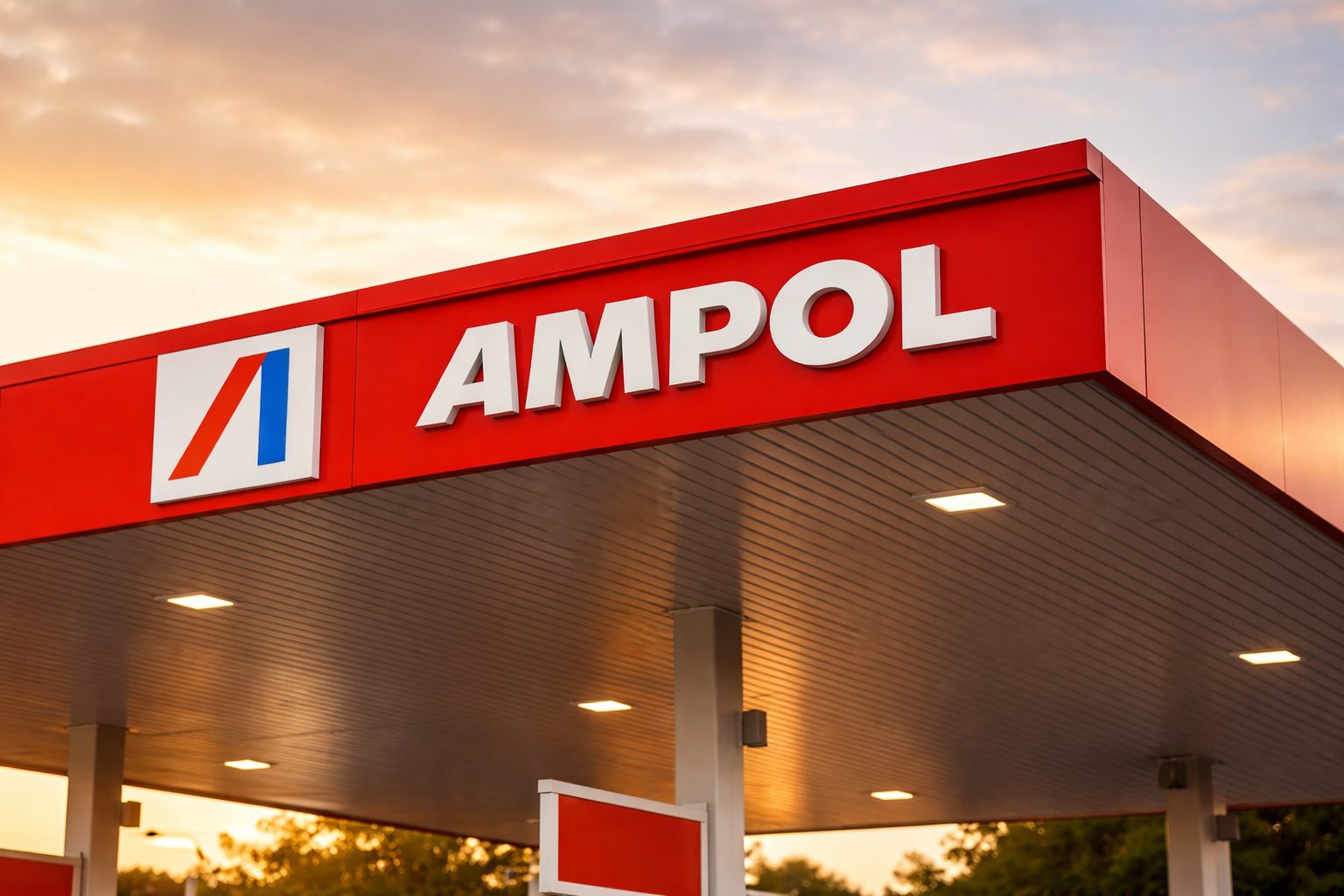
Ampol Ltd ALD.AX, Australia’s top fuel retailer, landed back in the spotlight Friday as the Australian Competition and Consumer Commission (ACCC) confirmed it had sent letters to leading fuel firms about local pricing. Oil and refined fuel benchmarks have spiked on Middle East conflict. For Ampol, the scrutiny comes as it continues to push for approval of its planned EG Australia takeover.
Brent crude is headed for a 16.4% weekly surge—the sharpest since 2022—while the ACCC flagged a steep climb in both crude and Mogas 95, the Singapore price marker for wholesale Australian petrol, over the past week. For Ampol, with roughly 3 million customers each week, a quick price spike at the pump risks public backlash and tighter regulatory watch.
Ampol, in a March 2 filing, said the ACCC had tightened its focus, now flagging 54 EG Australia sites in 51 local markets—down sharply from 115 sites identified back in January. The regulator hasn’t wrapped things up yet, though. Another 20 local markets are still under review, and city-wide impacts in Sydney, Melbourne, Brisbane and Canberra are also on the table. The ACCC aims to make a call by June 5. Ampol reiterated its confidence.
ACCC Commissioner Anna Brakey warned petrol companies the regulator “would not hesitate to take action” if they misled customers over reasons for price hikes. The watchdog said it has sent letters to major fuel companies, pointing to average petrol prices that hit 180.4 Australian cents a litre in the December quarter across Australia’s five biggest cities. ACCC
Fuel price pressure is mounting fast in Queensland. RACQ flagged major retailers to the ACCC after roughly 40 south-east Queensland outlets bumped regular unleaded to 219.9 cents a litre on March 3. By the next morning, 259 stations—about 45%—had matched the jump. Ian Jeffreys from RACQ argued there was “no good reason” for such a rapid move, pointing out that wholesale price hikes typically take about two weeks to filter through to the pump. RACQ
Energy Minister Chris Bowen on March 3 reported Australia’s fuel reserves at 36 days for petrol and 34 days for diesel—levels not seen in over ten years—and assured the public that panic buying wasn’t necessary. But Tony Wood, senior fellow at the Grattan Institute, pointed out the country still trails well behind others and remains vulnerable if the disruption persists.
Ampol heads into this phase facing softer refinery margins. The company posted an 83% jump in full-year profit on a replacement-cost basis last month—hitting A$429.2 million and excluding some inventory effects. Yet, at Lytton, January’s refining margin slid to $8.13 a barrel, down sharply from $15.14 in the previous quarter. Greg Boland of Moomoo Australia described the market move as a “forward-earnings reset.” Reuters
This merger review is shaping up as an early test of Australia’s updated merger regime. The ACCC has argued that bringing together two of the country’s biggest fuel sellers might weaken competition for petrol and diesel, and flagged that Ampol’s initial proposal to sell off 19 sites wasn’t enough to alleviate those worries. Notably, it’s the first case advancing to Phase 2 under the new mandatory process.
Even so, Ampol faces a string of risks. High oil prices could draw more heat over what drivers pay at the pump. Should the ACCC push for bigger asset sales or reject the EG transaction, that would stall the company’s store rollout. And if refining margins soften again, defending profits in 2026 gets tougher.
Ampol pulls in roughly 3 million customers every week across its 1,800-plus branded locations and the Lytton refinery in Queensland. That kind of scale works in its favor when markets are steady. But when fuel prices spike and pressure mounts, Ampol lands center stage in Australia’s ongoing scrutiny of petrol costs.