
LONDON, March 19, 2026, 13:12 GMT
- Shell shares slipped 1.1% to 3,423.5 pence, pulling back from a fresh 52-week high of 3,489 pence, as Pearl GTL halted output to gauge damage from an attack.
- Brent crude surged, touching $119.13 a barrel after Iranian strikes on Gulf energy sites. London’s FTSE 100 dropped, but the energy sector punched to a record high.
- Shell reported that everyone at Pearl is safe and the blaze has been put out, though the company is still evaluating the extent of the damage.
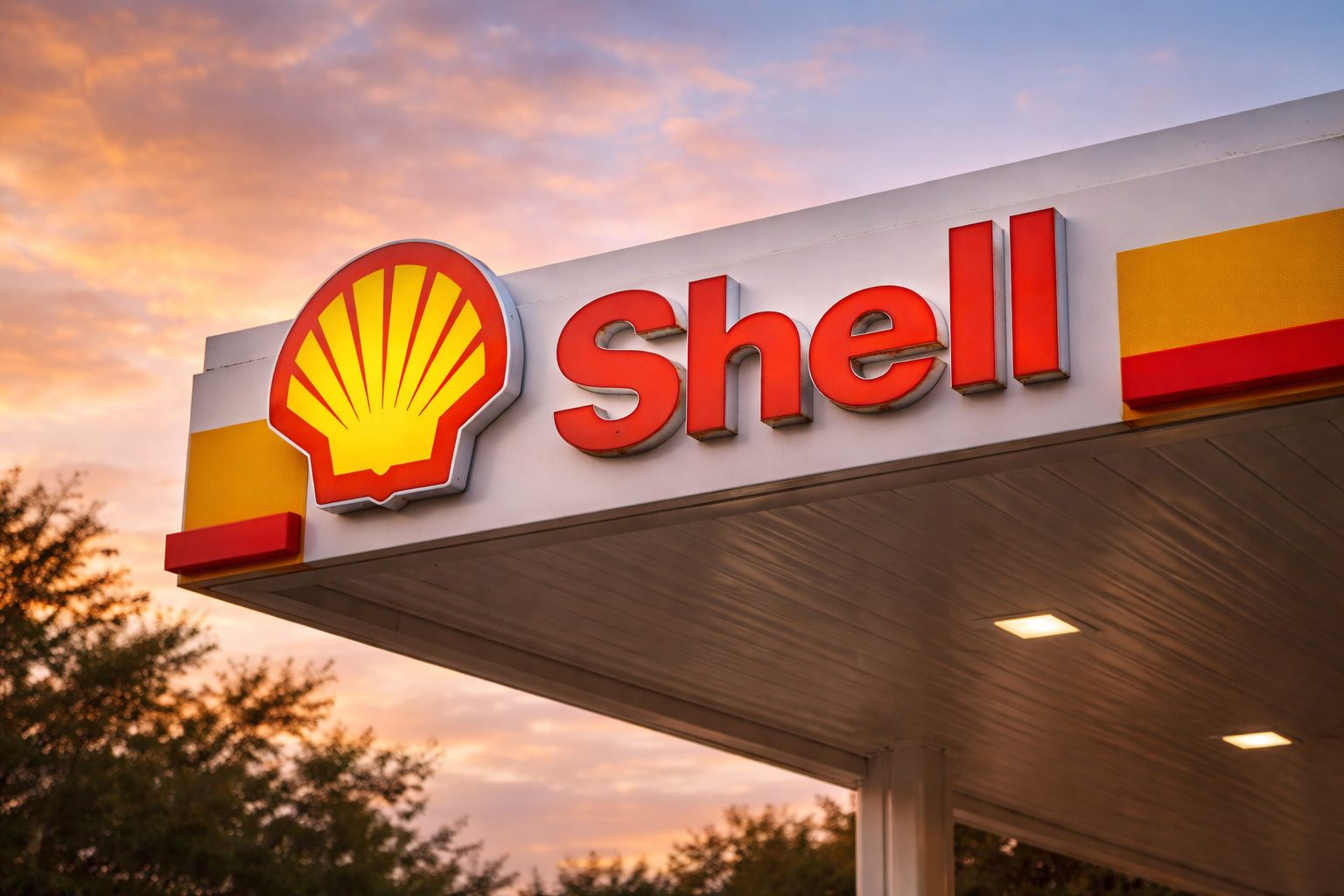
Shell Plc dropped 1.1% to 3,423.5 pence in London trading Thursday, pulling back from a fresh 52-week high at 3,489 pence, after news that its Pearl gas-to-liquids facility in Qatar has shut down. The company cited Iranian strikes on Ras Laffan Industrial City as the reason for halting production to evaluate potential damage.
Investors are caught between two opposing pressures here. On one side, a rise in crude and gas prices tends to boost earnings for integrated oil giants. But Shell faces a unique risk: it owns Pearl outright, and that asset was directly affected during the most recent flare-up.
Pearl’s capacity tops out at 1.6 billion cubic feet of wellhead gas each day, converting that into 140,000 barrels of gas-to-liquids output—fuels and other liquids derived from natural gas. Shell reported damage to one of the facility’s two trains; the company said a fire broke out but was swiftly extinguished. No injuries have been reported.
Shell reported that everyone on site was accounted for and described Pearl as being in a “safe state.” The company is collaborating with QatarEnergy and local officials to evaluate the extent of the damage at Ras Laffan. LNG production in Qatar, according to Shell, has remained offline since early March. Shell
Markets diverged sharply this session. Reuters put the FTSE 100 down 1.9% by 1020 GMT, even as energy shares jumped 0.9% to fresh highs thanks to a rally in oil prices; latest Reuters figures had the blue-chip index sliding further, off 2.77%. Shell’s shares dropped—investors appeared to focus more on the company’s plant outage than any short-term lift from higher crude.
Brent futures climbed $6.02, or 5.6%, trading at $113.40 a barrel by 1237 GMT. The contract earlier touched $119.13, not far from the three-and-a-half-year high reached on March 9. European gas prices, meanwhile, surged to their highest levels in over three years as Gulf attacks expanded.
This is a real concern for Shell. The company stands as the world’s top LNG trader, and by Reuters calculations, it turned out roughly 307,000 barrels of oil equivalent per day across the Middle East last year—Qatar not included—that’s 11% of its total. BP and TotalEnergies also have significant footprints in the region, but Shell’s position is a bit different: it owns Pearl outright.
Buyers could start pulling back from the region if the crisis keeps dragging out, Ryosuke Tsugaru, senior managing executive officer at Japan’s JERA, told Reuters. “With 90 million metric tons from the Middle East absent from the global LNG market, the longer this persists, the greater the impact,” he said. Reuters
Shell faces the risk that if its Pearl plant stays shut for longer, or if the Strait of Hormuz remains blocked, its output takes a hit—right when higher oil and gas prices should be playing in its favor. Bank of England Governor Andrew Bailey flagged that petrol is already pricier, and warned households will see higher energy bills later this year if the fighting drags on. It’s a sharp reminder: energy shocks can squeeze demand and the broader market, even as they push up revenue for producers.
Shell shares closed up 1.7% on Tuesday, notching a fifth consecutive gain, with crude prices sticking above $100 a barrel. But by Thursday, all that momentum had flipped, underscoring just how fast sentiment can shift when surging prices are paired with hits to the company’s own operations.