
LONDON, March 19, 2026, 15:51 GMT
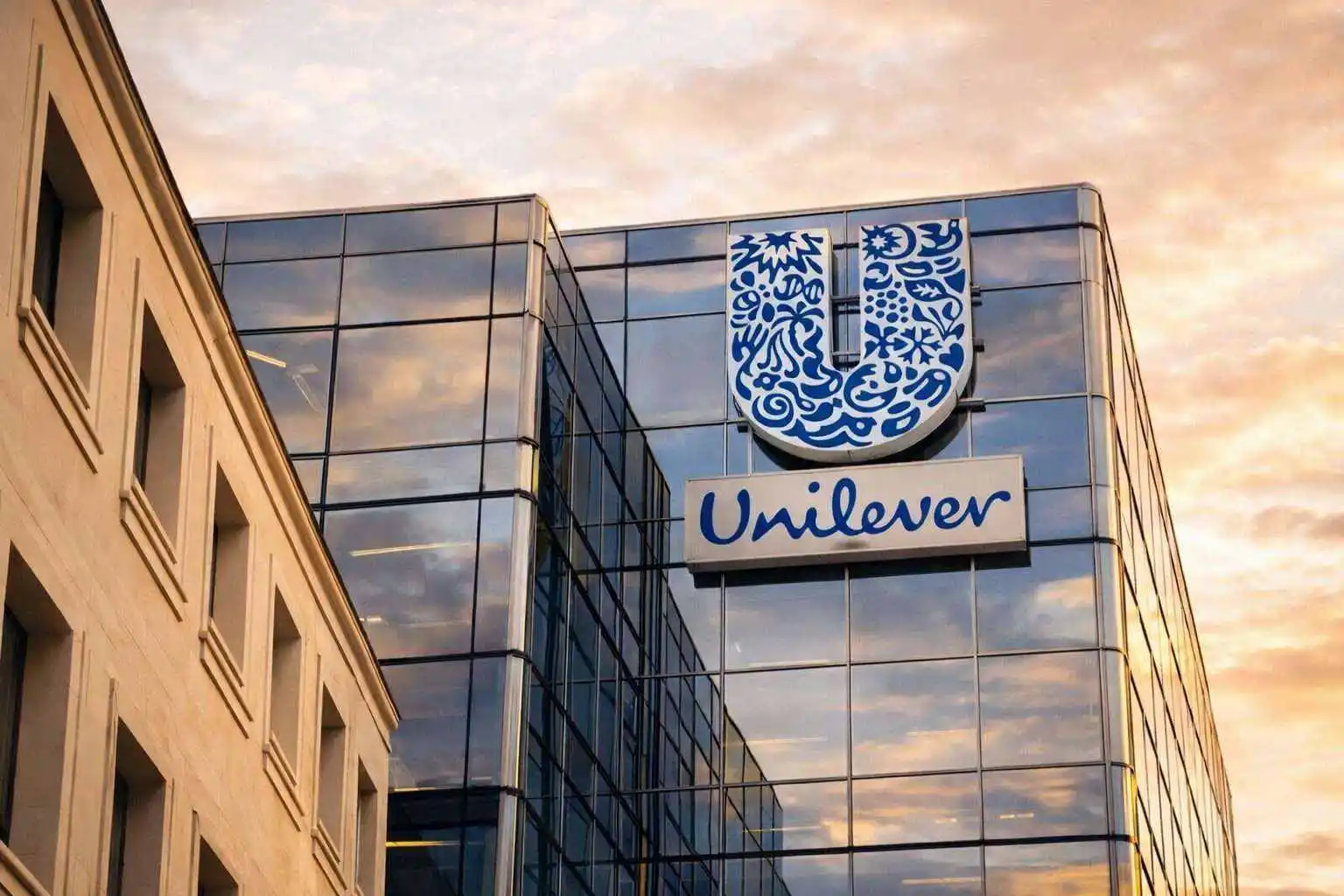
Unilever PLC shares slid further on Thursday following reports that the company considered spinning off its food division and had opened—then dropped—talks with Kraft Heinz about a deal for part of the business. Reuters noted the stock declined again, adding to Wednesday’s 3.5% drop.
The timing isn’t great. Chief Executive Fernando Fernandez has only been in the role a little more than a year and is still trying to steer Unilever’s ice-cream demerger—now trading as The Magnum Ice Cream Company after its December listing. Investors are worried a second major spin-off could distract management from delivering.
On Tuesday, Bloomberg said advisers are looking at scenarios like spinning off most or even all of Unilever’s food business. But sticking with the existing setup is still on the table, and nothing’s likely to happen before 2027. Fast forward to Wednesday: according to Reuters, the Financial Times reported that earlier talks between Unilever and Kraft Heinz about merging Unilever’s foods with Kraft’s condiments have wrapped up with no deal.
Barclays’ Warren Ackerman figures Fernandez “needs another year under his belt” before making any move to split. Reuters picked up on investor concerns, some voicing that the chief executive might get “distracted” just after the ice-cream carve-out. Unilever wouldn’t comment on the food review; neither Unilever nor Kraft Heinz would speak about the reported merger discussions. Reuters
Unilever’s food unit pulls significant weight. Foods turned in 12.9 billion euros in turnover for 2025, generating 2.9 billion euros in adjusted operating profit, according to the company’s latest figures. Reuters has the division accounting for over a quarter of group sales, with a 22.6% margin that tops the broader group’s average. Barclays puts a roughly 30 billion euro price tag on the unit.
That’s the push and the problem. Foods managed only 2.5% growth last year on that adjusted basis—well short of Unilever’s 4% to 6% target. Beauty & Wellbeing? Up 4.3%. Packaged foods have other headaches, too, from lower-cost private-label rivals to the rise of GLP-1 weight-loss drugs, which curb appetite.
Unilever isn’t the only one feeling the squeeze. Shares of Reckitt and Nestle slipped on Wednesday as well, according to Reuters. Kraft Heinz, for its part, dropped its breakup idea last month, opting instead to put $600 million behind a turnaround led by new CEO Steve Cahillane.
But the breakup chatter isn’t exactly out of left field. For years, according to Reuters, investors have pressured Unilever to ditch its slower-moving food businesses. Late last year, reports surfaced that the company might put Marmite, Colman’s and Bovril on the block as part of that strategy.
There’s a risk here: what’s pitched as a value-unlocking deal could end up tangled and pricey. W1M portfolio manager Tineke Frikkee flagged that a food demerger isn’t “not straightforward”—taxes alone could bite, and Unilever’s scale edge in emerging markets might slip. Trying to patch up any sales gap could even stoke talk of another big buyout, she warned. Reuters
So far, investors aren’t buying it. London-listed shares traded near 4,650.5 pence Thursday—down about 1.3% from Wednesday’s 4,712.5 pence finish, following a 3.5% drop in the prior session.