
London, March 19, 2026, 20:44 GMT
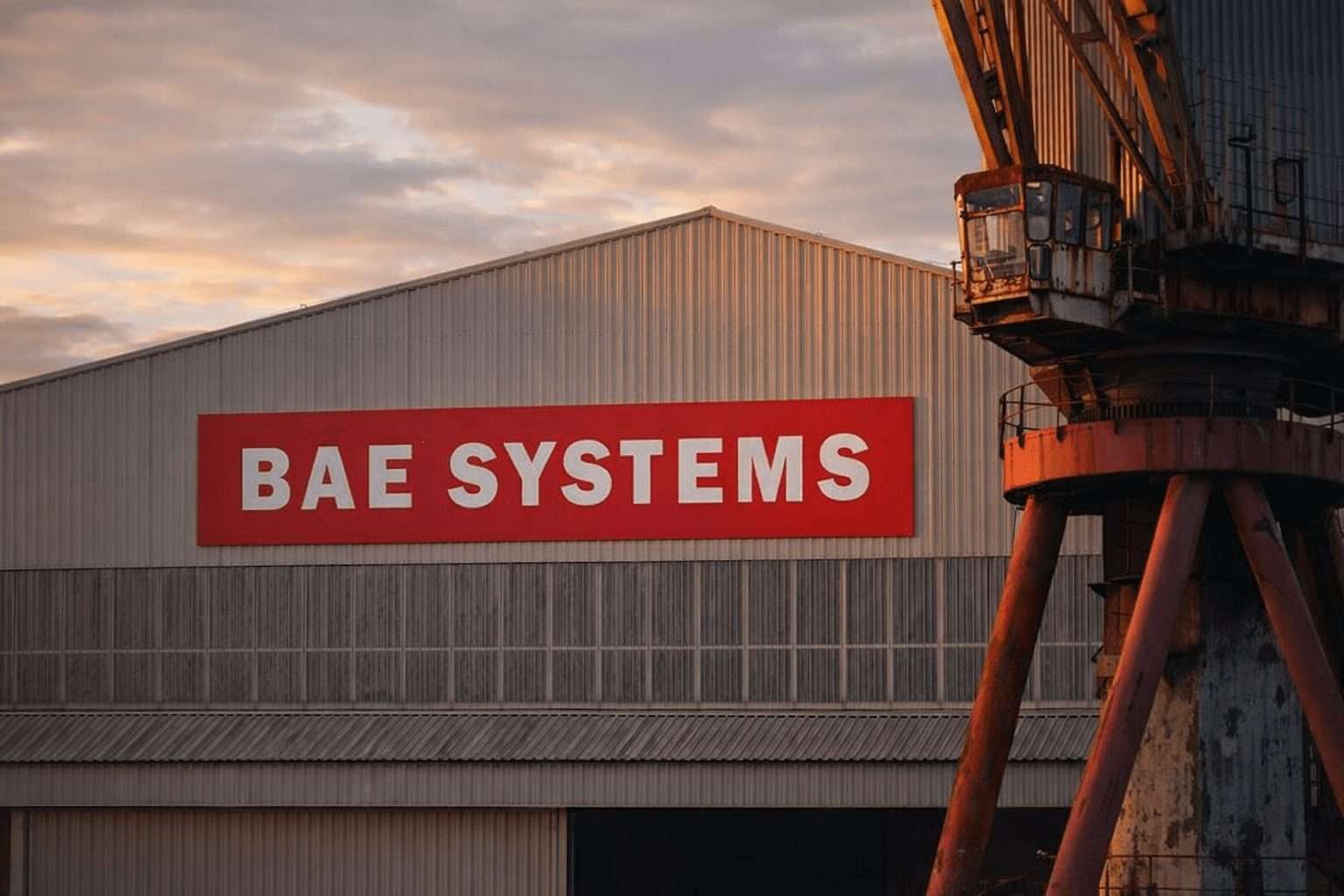
BAE Systems ended Thursday at roughly 2,306 pence in London, after the company agreed to offload its last 6.9% holding in Kazakhstan’s Air Astana—fetching about $31 million at the sale price. With this deal, BAE finishes its exit from the airline, a non-core asset acquired back in 2001 and already trimmed in December.
Timing’s key here, with fresh signals on official demand showing up this week. On Wednesday, Britain announced plans to boost support for Gulf allies facing Iranian attacks, and government officials sat down with suppliers—BAE, MBDA, Leonardo UK—to talk about speeding up the delivery of defence gear and tech.
BAE slipped roughly 1%—holding its ground a bit better than the rest of the market. The FTSE 100 shed 2.4%, hitting its lowest level in two months, after the Bank of England left rates unchanged and flagged the Middle East war as a potential inflation driver. “The risk of inflation is a more important battle at this point,” said Nick Saunders, CEO of Webull UK. Reuters
Some fresh company headlines over the past 48 hours shed light on the stock’s resilience when it pulls back. BAE announced it secured work supporting the AN/ALQ-221 Advanced Defensive System for the U.S. Air Force’s U-2 reconnaissance fleet. In a separate release, the company showed off a new counter-drone system aimed at cutting reliance on expensive missiles.
That comes on top of BAE’s much bigger core operations. The company last month posted 2025 sales at 30.66 billion pounds, operating profit reaching 3.32 billion pounds, and an all-time high order backlog of 83.6 billion pounds—orders signed but still to be fulfilled. Looking ahead to 2026, BAE expects further growth. Chief Executive Charles Woodburn called it a “new era of defence spending.” Reuters
European defence stocks—BAE, Leonardo, Rheinmetall—have drawn in buyers as military budgets edge up to, or even surpass, NATO targets. Procurement is expanding, and the sector stands out as a straightforward geopolitical play.
Still, there’s a hitch. Even with heavy defence spending, the stock could get caught if oil holds up and central banks keep a tight grip. Right now, traders are factoring in more than two rate hikes this year from both the Bank of England and the European Central Bank. Schroders economist David Rees underscored the risk: should prices stay “higher for longer,” he said, the “washout in markets would be more painful.” Reuters
BAE looks more like a barometer for global tensions these days than a surefire winner. The shares jumped 6.1% on Jan. 8, tracking gains in Leonardo, Saab, and Rheinmetall after speculation about a larger U.S. defence budget. That rally led Saxo Bank’s Neil Wilson to declare, “defence stocks are the play.” Yet by Thursday, Morningstar’s Michael Field saw little “money and confidence right now” to lift European equities. Reuters