
LONDON, March 20, 2026, 13:08 GMT
Traders sounded the alarm Friday: British diesel might break through the £2 per litre mark in a matter of weeks, with Brent crude holding above $110 following new Middle East attacks. The move is ramping up pressure on ministers.
It’s not just pump prices in the spotlight. Diesel powers vans, trucks, and tractors—so any spike can ripple into freight costs, consumer prices, and inflation. The Bank of England on Thursday signaled it’s prepared to respond if energy prices, driven by conflict, threaten its 2% inflation target.
This isn’t the best moment for Chancellor Rachel Reeves. The 5 pence cut in fuel duty sticks around just until the end of August; after that, the rate is set to climb starting Sept. 1, as laid out in the post-Budget 2025 plans.
That stands in contrast to the counterpoint from the Economist this week, which claimed that, in inflation-adjusted terms, motoring in Britain “rarely been so cheap” and pushed back on the idea of further pump relief. The government echoed that at Budget 2025, highlighting that fuel prices were, at that point, sitting at a decade low on a real basis. The Economist
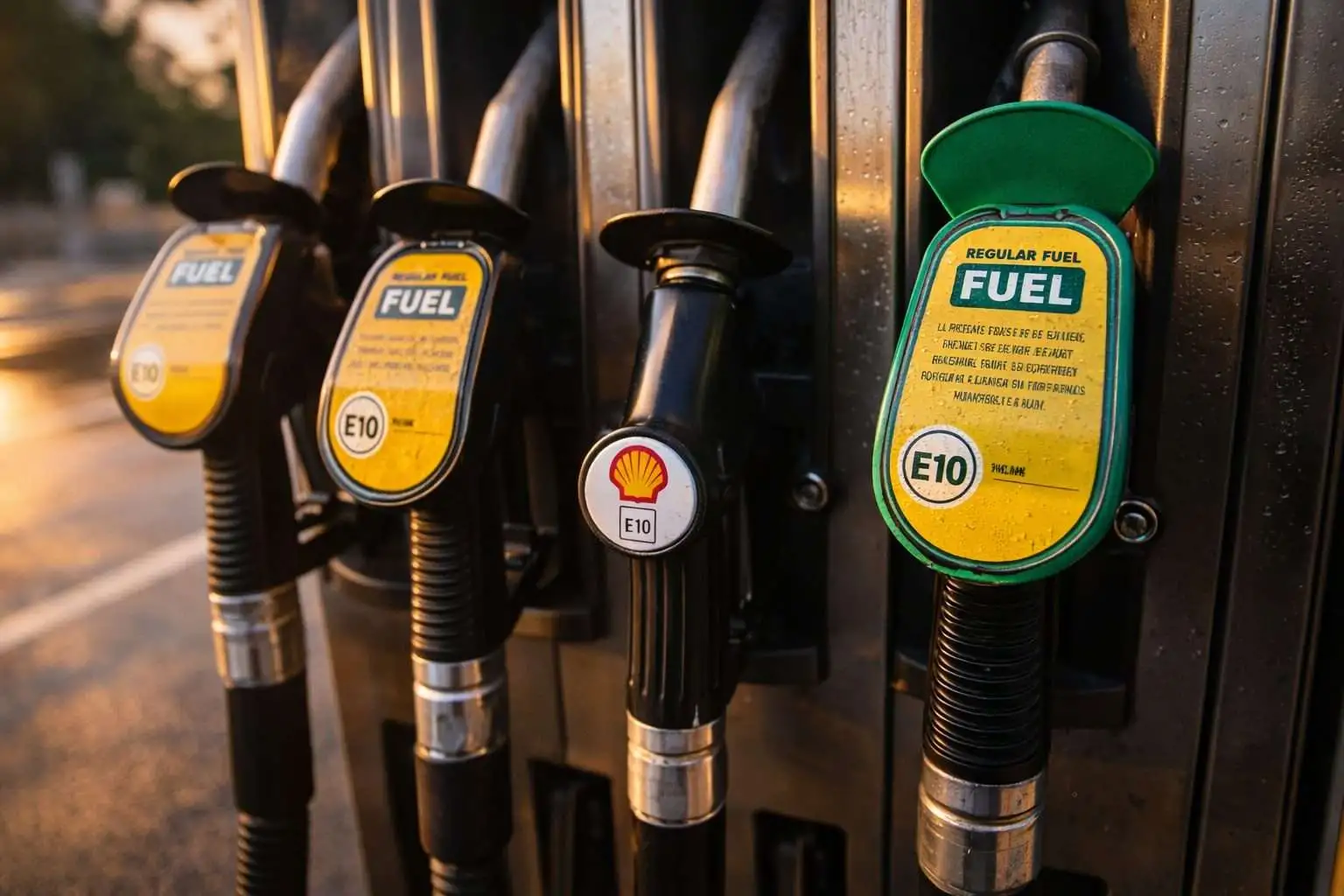
Prices at UK pumps shot up quickly. By the middle of March, petrol averaged 142.29 pence per litre, diesel 162.06 pence—up 9.5 pence and 19.7 pence from Feb. 28. If oil sticks close to $100 a barrel, petrol shouldn’t break above 148 pence, according to RAC policy chief Simon Williams. Diesel, though, could be heading straight for 170 pence.
Onyx Capital founder and CEO Greg Newman told the Telegraph he’s “very confident the diesel price will surpass £2 a litre in the next month”. That would push the bill for a standard 55-litre fill-up to around £110—up from £78 before the war. AGCC
The squeeze isn’t confined to the futures market. Brent hit $110.32 a barrel by London mid-session Friday. Physical barrels—crucial for refiners—saw even sharper pressure; Europe, heavily dependent on Middle Eastern diesel and jet fuel, watched diesel prices in the region surge past $200 a barrel Thursday. “The potential for a quick reversal is slim,” Saxo Bank’s Ole Hansen said, citing production “damage.” Reuters
Last week, Reeves signaled the government is looking at focused support for low-income households, particularly the more than 1 million homes using heating oil and not covered by the energy price cap. Unlike Britain, which hasn’t moved on broad pump-tax relief, Italy slashed fuel excise by 25 euro cents per litre, while Spain planned on Friday to cut fuel VAT to 10% and pause hydrocarbon duty, SER radio reported.
Monetary risk is moving up too. The BoE now sees inflation possibly hitting 3.5% in the next two quarters. Governor Andrew Bailey pointed out that pricier petrol is already making an impact. Pantheon Macroeconomics’ Rob Wood noted that energy futures are sitting right at the threshold where a rate hike could be warranted.
Still, what happens next remains murky. U.S. officials and their partners say they’re prepared to protect shipping in the Strait of Hormuz. Washington has mentioned more releases from its strategic oil reserves, even easing some sanctions to let certain Iranian shipments through. On Friday, the International Energy Agency called for everything from remote work to lower speed limits—measures that Fatih Birol, the agency’s executive director, labeled “immediate and concrete measures” to protect consumers. But if those efforts come up short and the Gulf disruption drags out, the ongoing argument in Britain over whether driving remains cheap in real terms could soon be moot. Reuters