
LONDON, March 21, 2026, 20:19 GMT
SSE fell 3.02% to finish at 2,573 pence on Friday, caught up in a wider London selloff. The utility’s Ferrybridge battery site is now fully operational, it said, and 5.0 million new shares have been admitted for trading.
SSE’s tumble stands out, coming so soon after the stock marked a 52-week high on March 17. On Friday, the shares fell hard, volume running above normal, just as British energy names came under pressure. Higher oil prices and traders’ revived expectations for Bank of England rate hikes shook the market.
The stock sits in a tricky spot. SSE has spent the last four months pitching its £33 billion push into power networks and renewables. Just this month, the company signed on to Ofgem’s RIIO-T3 settlement—the upcoming price-control regime for transmission. Back in February, CFO Barry O’Regan told investors management’s priority was “accelerating investment.” Still, SSE’s outlook for adjusted earnings is 144-152 pence per share for the year ending March 2026, pulled back from last year’s 160.9 pence. Reuters
The Ferrybridge battery packs a punch: 150 megawatts of power, storing up to 300 megawatt hours—enough juice for a two-hour run at max output. SSE says bringing the West Yorkshire facility online boosts its battery capacity to 200MW/400MWh. Heather Donald, who heads onshore wind, solar and battery at SSE Renewables, called the project “critical support” for grid flexibility and system resilience. SSE
The second filing on Friday covered less ground. SSE disclosed that 5,017,734 ordinary shares had been admitted to trading in London, the bulk of them issued through its scrip dividend program—where shareholders opt for stock over cash payouts. That bumps the total share count up to 1.215 billion. All told, this latest admission represents about 0.4% of SSE’s now larger capital base, according to the company’s numbers.
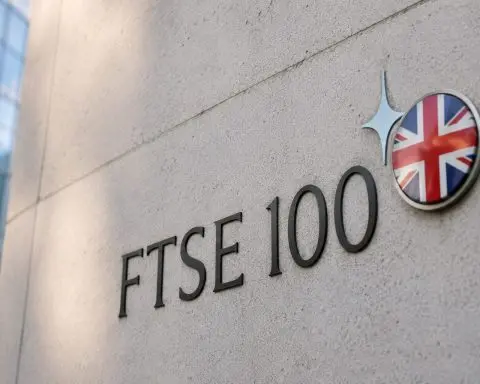
SSE wasn’t the only one taking a hit. National Grid slid 3.07% Friday, while United Utilities dropped 2.24%. The FTSE 100 shed 1.4%, notching its third consecutive weekly loss. According to Reuters, energy stocks pulled back by 1.7%, though they’re still hovering close to all-time highs.
Broker support hasn’t vanished. Back when SSE rolled out its funding plan in November, Jefferies analyst Ahmed Farman called it a move that “brings clarity” to both the balance sheet and growth prospects. More recently, Deutsche Bank Research bumped up its price target on the shares to 2,850 pence, Alliance News pointed out in a broker roundup. Other utilities have taken a similar tack—Reuters reported in November that Orsted and National Grid also turned to shareholders for fresh capital to support heavier investment. Reuters
The risks, though, are clear. Expanding network and storage infrastructure takes reliable funding—something that becomes tougher as borrowing costs rise, and utilities like SSE can feel the pinch quickly. The company has flagged that its forecast remains tied to weather, market swings, and plant uptime, so there’s not much margin for error after this month’s rally.
Looking ahead, SSE’s next key date lands on April 2, as the company heads into a closed period—senior management will be blocked from trading shares until results hit on May 28. Shares slid Friday, trimming gains from this week’s high. Still, the stock remains well above levels seen before November’s grid funding announcement.