
Brussels, March 23, 2026, 19:02 CET
The European Commission cleared a €5 billion Danish offshore wind aid package and signed off on French backing for renewable and low-carbon hydrogen this Monday, putting new clean-energy incentives in focus as Europe looks to limit its exposure to imported fuel shocks.
The calendar is a factor, with the energy crunch now spilling over into the broader economy. Euro zone consumer confidence slumped this March to lows not seen since late 2023. “One of the largest falls on record,” said Andrew Kenningham at Capital Economics, outside of the pandemic and Ukraine war periods. Reuters
Brussels is cobbling together a mix of quick fixes—electricity tax breaks, trimmed grid fees, and relaxed state-aid rules—all while trying not to derail longer-term decarbonisation plans. Markets didn’t wait to react: on March 17, EU carbon permits tumbled over 5% after the Commission floated the idea of releasing additional allowances. The ETS, the bloc’s carbon market used by big emitters to buy pollution permits, has now landed squarely in the price crosshairs.
Denmark is locking in a 20-year scheme backing two offshore wind projects—Hesselø and North Sea I Mid—delivering a combined capacity of at least 1.8 gigawatts. Together, they’re expected to churn out about 7.8 terawatt hours annually, which accounted for roughly a quarter of the country’s total electricity output last year. The government’s support comes via a two-way contract for difference, or CfD: if market prices fall below the project’s bid price, the state pays the difference; if prices rise above, the developers return the surplus.
Teresa Ribera, executive vice-president for the clean transition at the Commission, called the Danish move a way to “deploy offshore wind capacities faster” and cut fossil-fuel imports. The shift is notable after Denmark stopped all offshore wind tenders last year, a response to its no-subsidy approach faltering amid rising costs, higher interest rates, and supply chain issues. Insight EU Monitoring
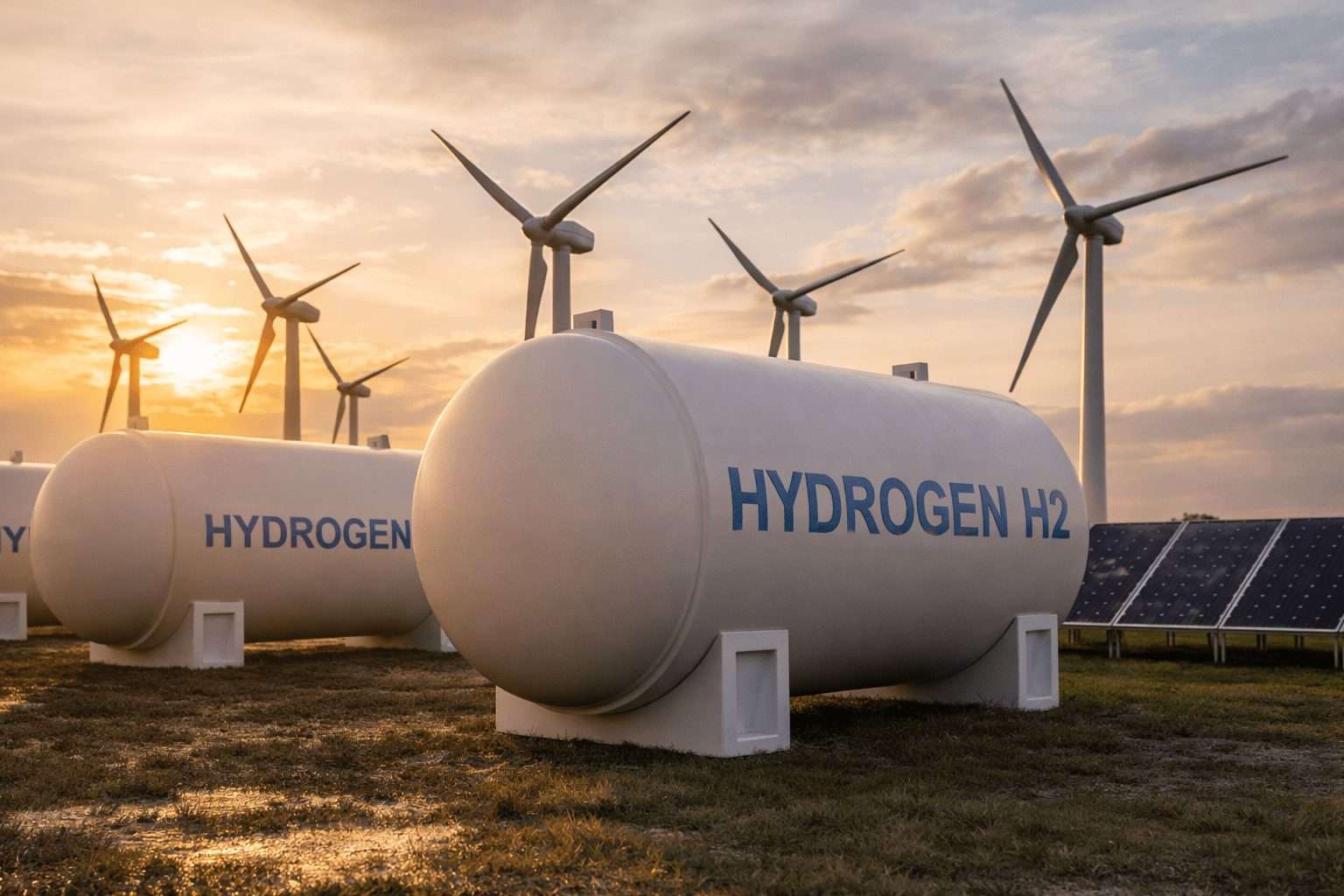
France plans to support 1 gigawatt of hydrogen electrolysis through three tenders. Electrolysers, which split water using electricity, will be deployed in phases. The initial 200-megawatt round comes with a budget of 797 million euros, targeting hydrogen sales straight to industrial customers that can’t switch easily to direct electrification.
Brussels estimates the French initiative could cut as much as 1.1 million metric tons of carbon dioxide annually, relying on 15-year contracts to close the price difference with fossil-based hydrogen. According to Ribera, hydrogen is set to be strategic for industries “where electrification alone is not sufficient.” Innovation News Network
Ørsted, RWE, and turbine manufacturer Vestas are all tuning in as Europe grapples with the challenge of reviving commercial viability for large-scale wind and hydrogen projects—after cost inflation rattled auction models. Both Ørsted and Vestas are headquartered in Denmark. On March 10, Vestas landed a firm 1.38 GW turbine contract from RWE for the Vanguard East offshore project in Britain.
The EU’s Clean Industrial Deal state-aid framework, adopted back in June 2025, gives governments the go-ahead to back renewable energy, decarbonise industry, boost clean-tech manufacturing, and provide temporary electricity price relief. That framework hasn’t shifted the overall trajectory—wind and solar finally edged ahead of fossil fuels in the EU’s electricity mix in 2025, a first.
Crisis policy could end up tugging both ways. France, for its part, is looking at ramping up oil-refining capacity to cushion fallout from the Iran conflict. Across the EU, governments remain divided over just how much slack to cut the carbon market. ECB’s Peter Kazimir flagged the danger: poorly targeted relief risks locking in inflation. And for TotalEnergies, CEO Patrick Pouyanne warned that if the disruption drags out past three or four months, it turns into a “systemic risk” for the global economy. Reuters
Brussels is walking a tightrope here, aiming to let governments protect homes and factories, but also to use the crisis as leverage to accelerate domestic energy and cleaner fuel projects. The reasoning is straightforward: in Europe, gas sets the electricity price—it’s the marginal plant, often needed to balance demand, even though cheaper sources like wind, solar, and nuclear do much of the heavy lifting.