
Taipei, March 24, 2026, 02:42 (GMT+8)
Despite higher flash-memory prices, smartphone manufacturers are increasing built-in storage this year. TrendForce points to a 4.8% jump in average phone capacity for 2026, with the push coming from on-device AI features that need anywhere from 40 GB to 60 GB just for local cache. Premium brands, the firm notes, are ditching lower storage options rather than cutting features.
This is significant, given the entire market remains under strain from the ongoing AI surge. DRAM—the working memory found in phones—and NAND flash, which handles storage, are both feeling the squeeze as data center customers soak up available inventory. Back in February, TrendForce projected first-quarter DRAM contract prices would leap by 90% to 95%. On Feb. 26, IDC flagged a 12.9% slide in smartphone shipments for this year, down to 1.12 billion units. Analyst Francisco Jeronimo didn’t mince words, describing it as a “tsunami-like shock” rippling through the memory supply chain. Reuters
TrendForce, in its March 18 storage report, noted that AI’s hunger for “massive cache” is pushing the industry toward larger capacity as the new baseline. The firm also pointed out that low-capacity NAND components are increasingly scarce, with manufacturers moving to advanced process nodes—a move that’s forcing brands to reassess the viability of their lower storage tiers. TrendForce
Apple and Huawei have joined the crowd. The iPhone 17, according to Apple, starts with 256GB of storage. Earlier this month, the company rolled out the iPhone 17e, also with 256GB, kicking off at $599. Huawei’s Mate 80 Pro, for its part, comes in a 16GB+512GB configuration.
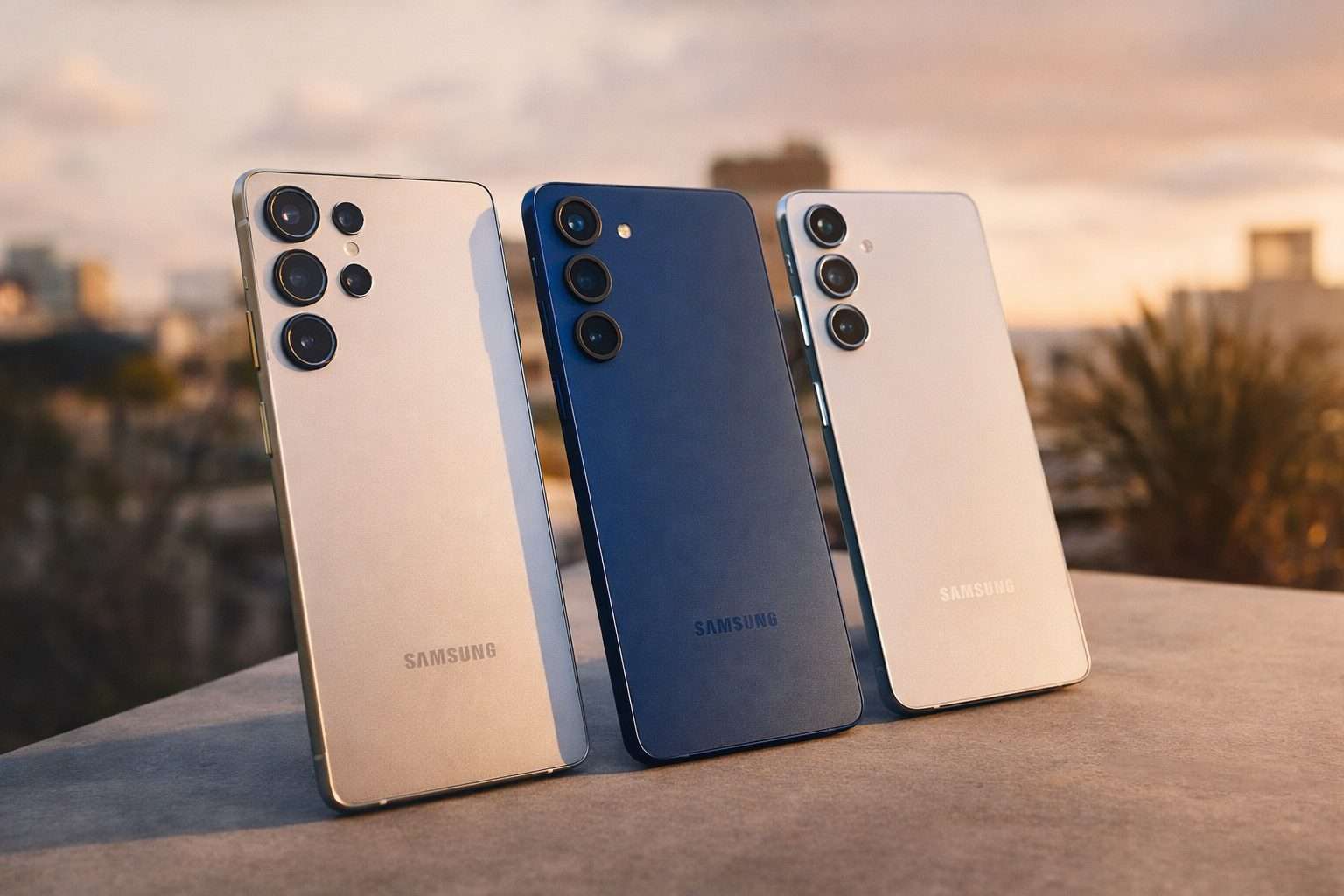
Samsung went its own way. For the February launch of the Galaxy S26, the company bumped U.S. prices up 4.7% on the base model and 10% on the S26 Plus, packing both phones with AI tools powered by Perplexity, Google Gemini, plus a revamped Bixby.
China, still the world’s largest smartphone market, is seeing competition morph under fresh pressure. According to Counterpoint, Apple’s sales in China climbed 23% during the first nine weeks of 2026—even as the overall market slipped 4%. The research group doesn’t expect Apple to follow Android makers in hiking prices; OPPO and vivo have already bumped up prices on select older models ahead of their upcoming releases.
Suppliers aren’t catching a break. Greg Matson, senior vice president at Solidigm, flagged that AI systems launching later this year may demand 35% more storage compared to prior models and cautioned that “supply is going to be tight.” Over at GTC, Nvidia CEO Jensen Huang echoed the pressure, saying, “the storage system is going to get pounded.” Reuters
Bigger storage doesn’t automatically translate to cheaper phones or a stronger smartphone market. In fact, Gartner warned on Feb. 26 that smartphone prices might jump 13% by the end of 2026, pointing to a 130% spike in DRAM and solid-state storage costs. Entry-level buyers could get hit the hardest. Analyst Ranjit Atwal flagged a “critical window” in the first half of 2026 for vendors to shore up margins before component inflation gets worse. Gartner
Apple climbed $3.41 to $251.40 during U.S. afternoon hours March 23. Micron, on the other hand, fell $16.27 to $406.63.
TrendForce is calling for the 128GB storage option to disappear from most mainstream Android devices by the end of 2026, as 256GB steps up as the new baseline. This time around, storage isn’t simply a spec for marketing teams—it’s becoming the space local AI functions demand.