
Nairobi, March 24, 2026, 14:49 EAT
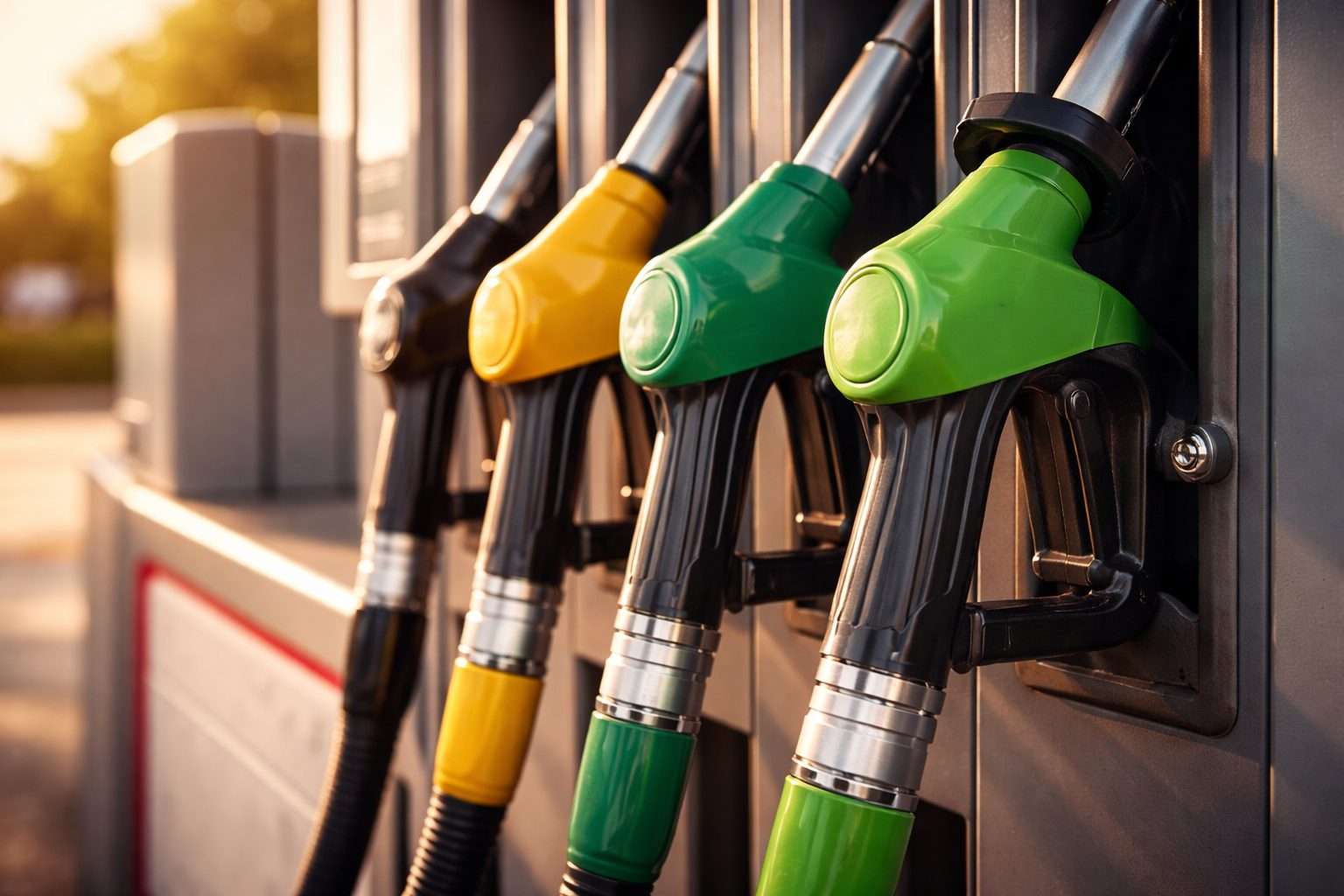
Petrol shortages in Nairobi intensified Tuesday, leaving stations across the city bone dry. Lines snaked out from the handful of pumps still serving customers, while no-fuel notices went up at many more. Officials maintained there was enough supply nationwide, but dealers cautioned that the crunch might soon reach areas outside the capital.
Timing is crucial here: Kenya depends on imported refined fuel, its fortunes tied to Gulf supply routes. Right now, conflict in the Middle East has already upended traffic through the Strait of Hormuz—a waterway that moves roughly a fifth of the world’s oil and LNG. In Kenya, even a brief supply squeeze can show up fast in bus fares, freight charges, and the price of food.
Tensions have escalated after the Energy and Petroleum Regulatory Authority (EPRA) opted to keep retail fuel prices flat for the March 15-April 14 window, even as import bills climbed. In Nairobi, super petrol is still selling at KSh178.28 per litre, diesel at KSh166.54, and kerosene holds at KSh152.78. EPRA pointed out these rates are pegged to February shipments that haven’t yet captured the latest regional price spike.
Principal Secretary Mohamed Liban insisted supplies are adequate, pinning recent sporadic shortages on panic buying, speculation, and marketers hoarding fuel. “We have sufficient stock in the country,” Liban said. He pointed to the arrival of more than 100 million litres of super petrol in the system as of March 19, which, according to him, should stabilize supply for at least 10 days. Kenyans
Petroleum Outlets Association of Kenya chairman Martin Chomba described tightening fuel supplies hitting independents. “We have constrained supply,” he said, putting the number of affected outlets at about 20% out of Kenya’s roughly 3,100 locations. If the disruption drags on, Chomba warned, “in two weeks it will be a total crisis.” Reuters
Chomba said keeping pump prices unchanged as replacement costs rose was fueling stockpiling ahead of the upcoming price review. His group, he noted, had pressed Nairobi to permit emergency buys from private suppliers as a backup, not just depend on state import deals with Gulf sellers.
The United Energy and Petroleum Association, representing dealers, has joined calls for a price review. The group, led by chair Irene Kimathi, warned supply could be cut off if EPRA sticks to its current approach. Kimathi described the existing rates as “no longer sustainable” and pressed the regulator to drop its controls. Nation Africa
EPRA Director General Daniel Kiptoo Bargoria insisted Kenya holds “sufficient stocks,” as officials called on drivers to steer clear of panic buying. Still, the impasse remains: the regulator points to patchy hoarding, whereas retailers counter that the price cap is choking supply at the pump. Reuters
Nairobi faces a bigger headache if the local fuel crunch snowballs into a citywide transport snag ahead of the next monthly review. On Monday, drivers and riders hunted for fuel across town. If the disruption drags out, expect higher fares, late deliveries, and mounting pressure on officials insisting it’s a blip, not the beginning of a major fuel emergency.