
London, March 25, 2026, 12:08 GMT
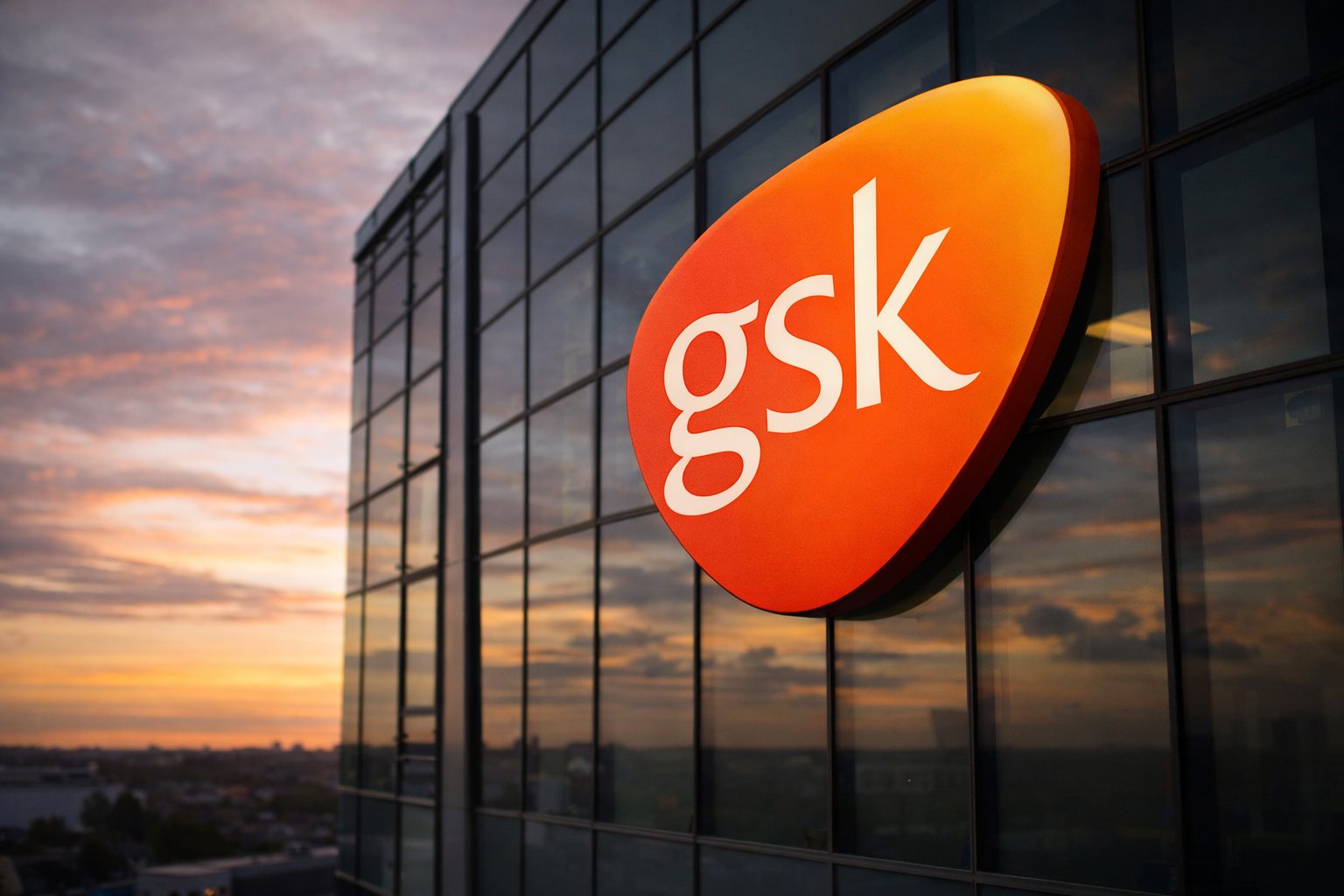
GSK climbed 3.2% to 2,039.5 pence in London as of 1208 GMT on Wednesday. The move came after Japan gave orphan-drug status to the company’s experimental lung-cancer drug risvutatug rezetecan, and a fresh filing confirmed GSK was continuing its stock buybacks.
This shift carries weight for GSK, which has already signaled to investors it’s bracing for slower sales growth this year. That puts launches and pipeline successes front and center as patent cliffs approach for its leading HIV medicines. Back in February, the company guided for 2026 revenue to increase 3% to 5%—currency impacts aside—and reiterated its target of topping £40 billion in annual sales by 2031. New CEO Luke Miels described the task ahead as needing to “accelerate what we have,” while analyst Sheena Berry at Quilter Cheviot summed up his initial approach as a “steady and credible start.” Reuters
GSK announced Monday that risvutatug rezetecan, its treatment for small-cell lung cancer, has picked up orphan-drug status from Japan’s health ministry. The label is reserved for drugs targeting diseases impacting under 50,000 people in the country—a bar small-cell lung cancer clears, given limited treatment options.
The company pointed to early ARTEMIS-001 results, highlighting durable responses in extensive-stage disease—a setting where most patients relapse following first-line therapy, with standard care yielding a median survival of around eight months. Risvutatug rezetecan, an antibody-drug conjugate (ADC) that combines antibody targeting with a cell-killing payload, now moves into a global phase III trial; GSK said enrollment began in August 2025. This marks the sixth regulatory designation for the molecule.
Pipeline momentum also showed up elsewhere. On March 19, the U.S. Food and Drug Administration gave the nod to Lynavoy for cholestatic pruritus in primary biliary cholangitis—the first U.S. approval for this specific itch. GSK’s Kaivan Khavandi described Lynavoy as a “much needed treatment option”. GSK
GSK repurchased 500,000 shares on March 24, according to an SEC filing, part of its continuing buyback program. Shares added another 2.1% Tuesday, then moved above the 2,000 pence mark Wednesday. Still, they’re trading short of the 52-week high at 2,282 pence.
The rally hasn’t convinced everyone. Deutsche Bank’s Emmanuel Papadakis stuck to his hold rating Tuesday, still targeting 1,900 pence. His latest read on launches like Exdensur, Blenrep, and Arexvy? Mixed at best. Over at Barclays, James Gordon last week left his sell call and 1,900-pence price target intact—both numbers trailing Wednesday’s market price.
Gains across the board provided a lift. The FTSE 100 advanced roughly 1.1% by 1028 GMT, with sentiment buoyed by word of U.S. moves toward a Middle East ceasefire. London stocks pushed higher, giving GSK a helpful macro boost alongside its own headlines.