
LONDON, March 25, 2026, 16:32 GMT
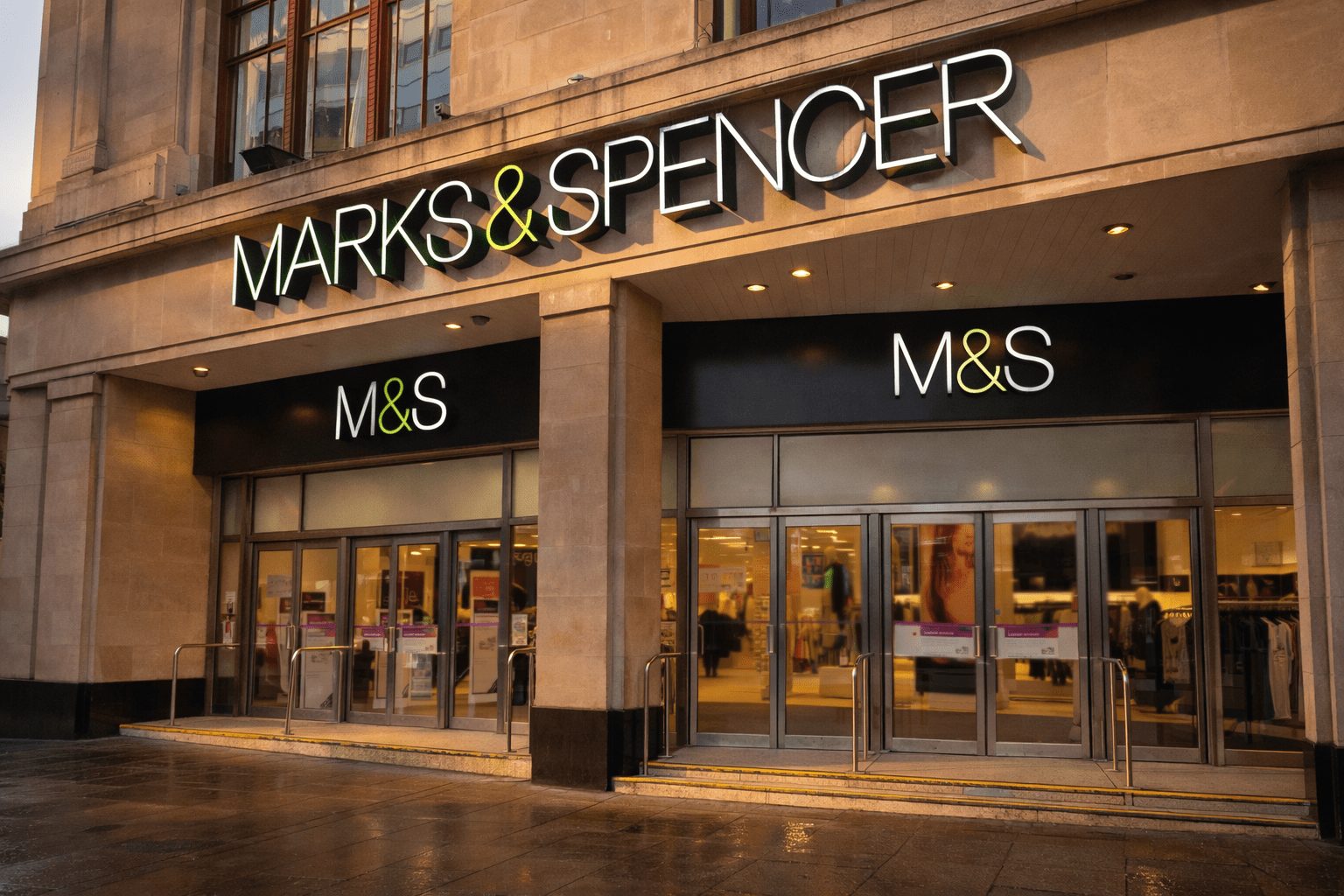
Marks & Spencer finished Wednesday’s session at around 332 pence, slipping 0.7% after the retailer announced plans to distribute AI tools to 11,000 managers and support-centre employees. That’s a drop from Tuesday’s 334.2-pence close, with M&S also detailing a wider tech expansion.
Here’s the crux: Marks & Spencer is racing to convert last year’s cyberattack recovery into real productivity improvements ahead of full-year numbers on May 20. That task just got tougher. A CBI survey out Tuesday reported British retail sales slumped in March—the sharpest drop since April 2020. Then, on Wednesday, new official figures showed February inflation stuck at 3.0%, with markets bracing for a bump higher on energy costs.
Shares in M&S headed lower, drifting toward 332 pence, even as the FTSE 100 ticked up 1.1% by 10:28 GMT. Reuters cited optimism around a potential Middle East ceasefire and weaker oil prices as drivers for the broader market’s rise.
M&S plans to issue Microsoft 365 Copilot licences to all its store managers and support-centre staff, expecting the tool to speed up summary creation for sales numbers, stock levels, shift notes, and rotas. The retailer also talked up its use of agentic AI—shorthand for systems that manage repetitive jobs with minimal human direction.
Chief executive Stuart Machin described AI as already woven into stock forecasting, ordering, and marketing at the retailer, calling this latest rollout “central to our technology transformation”. Microsoft UK chief Darren Hardman said the new system is meant to translate store data into “clear actions and insights” — putting that information closer to where it’s needed on the shop floor. Microsoft UK Stories
The technology upgrade feeds into an ongoing overhaul across M&S’s clothing and home divisions, areas where the retailer is still struggling to recapture digital growth. Back in November, John Lyttle—who heads fashion, home and beauty—told Reuters that the company’s online market share in those categories lagged the broader sector by about 10 percentage points, putting M&S behind rival Next on the e-commerce front.
Food is still holding up best, though here, too, supply feels squeezed. On Wednesday, Morrisons described UK grocery trading as “highly competitive”. This comes after Reuters said earlier this month that Tesco and Sainsbury’s continued to pick up market share while food inflation ticked up again to 4.3%. Reuters
There’s a risk here: AI might not boost margins quickly enough, especially with shoppers starting to feel the squeeze again. CBI economist Martin Sartorius noted that “weak economic conditions continue to weigh on household spending.” Aberdeen’s Luke Bartholomew, meanwhile, dismissed February inflation numbers as “a relic of the world before the Iran conflict.” Reuters
On top of the ongoing recovery from the 2025 cyberattack, there’s still work left to do. Back in November, M&S projected it would be back to normal by March 2026. That attack led to a seven-week halt in online clothing orders and was pegged to knock around 300 million pounds off operating profit.
The business proved again it can attract customers with the right food selection, but January’s trading update made the divide clear: like-for-like food sales climbed 5.6% over Christmas. By contrast, fashion, home and beauty slipped 2.9%.
The next fixed date for investors comes May 20, as Marks & Spencer prepares to release its full-year figures.