
SHANGHAI, March 29, 2026, 18:11 CST
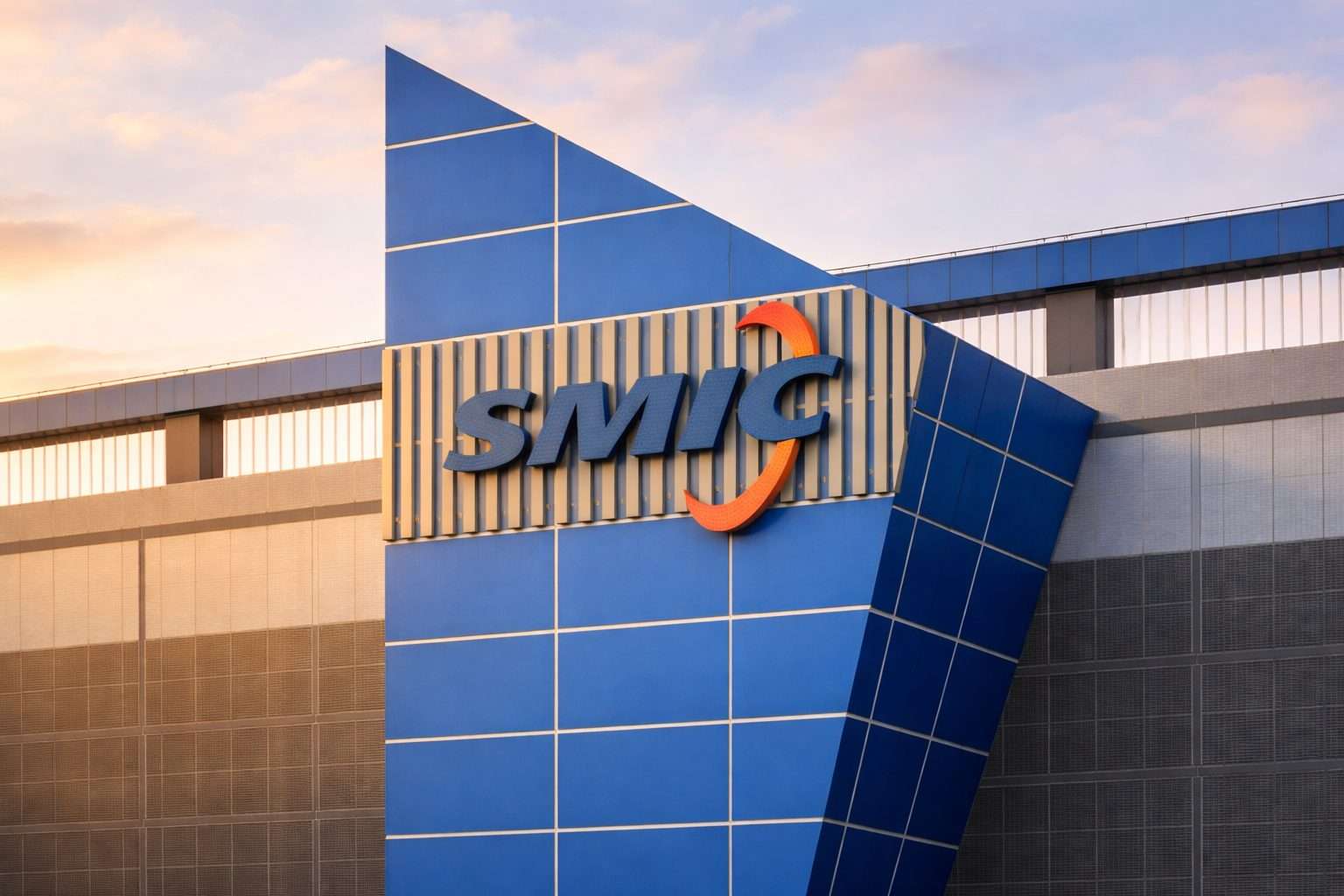
Semiconductor Manufacturing International Corp is under renewed geopolitical scrutiny after Reuters reported that two senior U.S. officials have accused the Chinese chipmaker of supplying chipmaking equipment—and likely technical training—to Iran’s military, starting about a year ago. The officials did not specify if the equipment was sourced from the U.S. SMIC has yet to respond to Reuters’ request for comment.
Timing is a factor here. SMIC, in a March 26 action plan submitted to both Shanghai and Hong Kong, laid out intentions to expand on what it’s already built and push for fresh growth in 2026. The plan touches management, R&D, governance, investor relations, and ESG — environmental, social and governance — initiatives.
Beijing responded. Foreign Ministry spokesperson Lin Jian told reporters he wasn’t familiar with the specific claim, then accused some media of producing “dubious news” that, after checking, turned out to be false. Chinese Foreign Ministry
SMIC’s 2025 annual report landed with numbers that kept the spotlight fixed on the chipmaker. Revenue jumped 16.2% to $9.33 billion, while profit attributable to owners surged 39% to $685.1 million. The company’s monthly production capacity broke through the 1 million wafer mark, measured on an 8-inch-equivalent basis—a key industry yardstick for standardizing wafer sizes. China accounted for a hefty 85.6% of total sales. In his letter, Executive Chairman Liu Xunfeng called 2026 “a year of strategic opportunity,” as the group looks to shore up its position as the world’s second-largest pure-play foundry, meaning a contract chipmaker manufacturing chips for other firms. HKEXnews
SMIC had flagged earlier that growth would carry a hefty price tag. Back in February, during the earnings call, co-CEO Zhao Haijun pointed out that the supply chain for Chinese chipmakers had “shifted to Chinese production throughout the year.” The chipmaker aims to boost monthly capacity by around 40,000 12-inch-equivalent wafers by the close of 2026. Margins, however, are expected to feel the strain from a 30% rise in depreciation costs. Reuters
The expansion is just one piece of a broader push at home. Last month, Reuters said SMIC and Hua Hong Semiconductor had set their sights on ramping up 7-nanometer chip production—the term marks a more advanced manufacturing tier—to keep pace with surging AI needs.
Caution lingered among investors. SMIC shares in Hong Kong ended the session at HK$52.50, slipping 1.22% on Friday, HKEX data show.
The road ahead looks bumpier. Tech supply chains are starting to feel the pinch from a helium shortage tied to the Middle East conflict. Cameron Johnson, senior partner at Tidal Wave Solutions, told Semicon China the shortage was “an absolute concern” and warned it may push manufacturers to cut back output and focus on essential products. Reuters