
SYDNEY, March 30, 2026, 02:11 AEDT
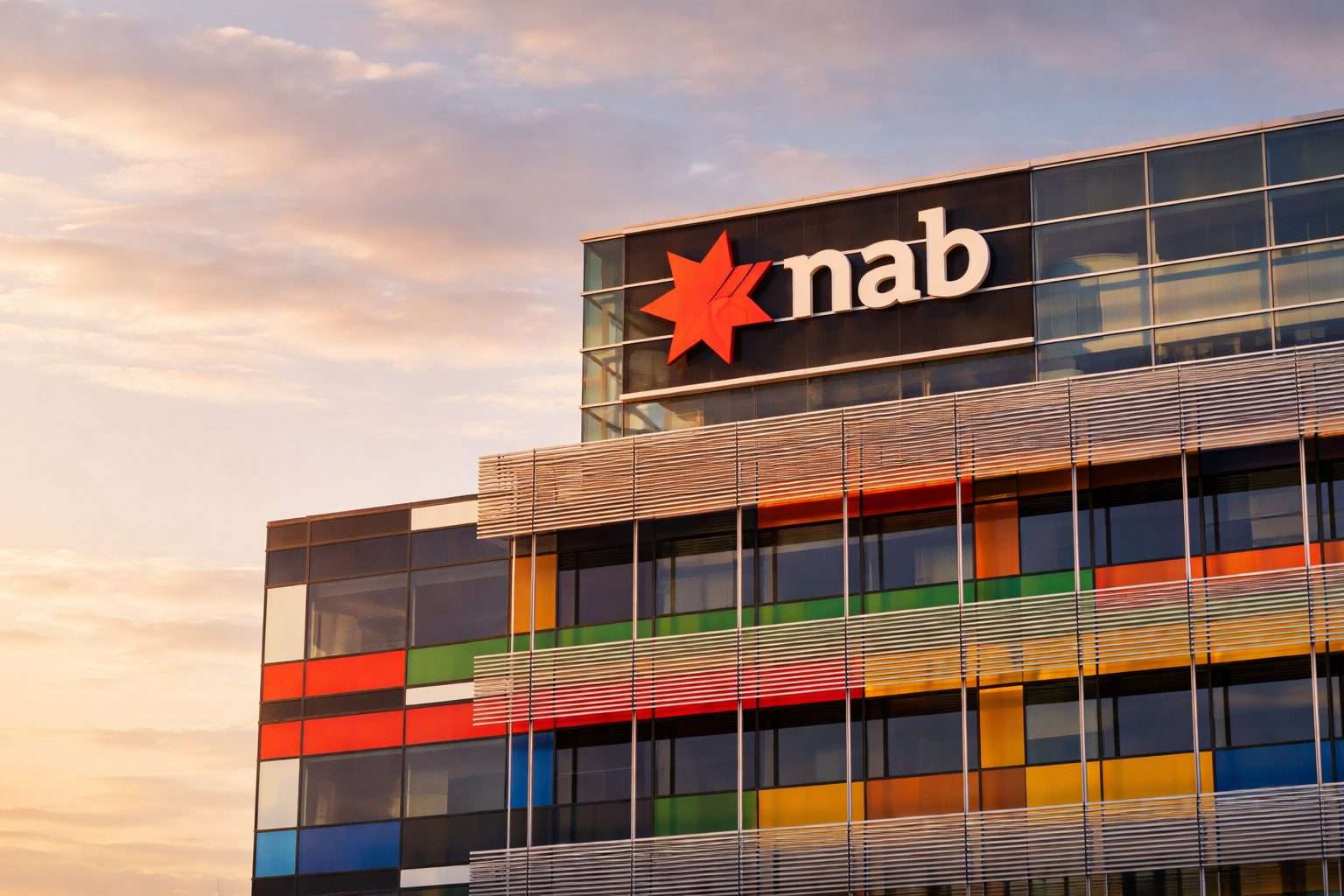
National Australia Bank starts Monday lagging after shares finished at A$41.99 Friday, off 1.34% for the session and down nearly 7.9% across the last five trading days. That leaves the stock sitting around 12.4% below its record high of A$47.96, set after February’s trading update.
That’s notable, considering investors had been snapping up NAB shares just weeks back. First-quarter cash earnings climbed 16% to A$2.02 billion. Net interest margin ticked higher, reaching 1.80%. CEO Andrew Irvine described NAB as “well placed to manage our bank for the long term and to support our customers, while delivering sustainable growth and returns for shareholders.” Reuters
Sentiment turned quickly. On March 26, Reuters said NAB plans to cut around 170 jobs in Australia in a shake-up of its business division, while hiring offshore—mostly in India and Vietnam. The bank described the move as an effort to create a “modern workforce,” noting customer-facing hiring would continue. Reuters
Macro factors are weighing further. This month, the Reserve Bank of Australia lifted its cash rate to 4.1%. Assistant Governor Christopher Kent flagged the risk: if the Middle East conflict drags on, growth could falter and inflation expectations may become unstable—a concern, especially with oil prices on the rise.
Bank stocks often get pulled in two directions by that setup. On the upside, rising rates tend to boost what banks earn from loans. But there’s a flip side: pricier borrowing can choke off credit appetite, spark tougher battles for deposits, and bump up default risks when households or small businesses start to feel the pinch.
The contrast with February’s upbeat showing from NAB’s rivals is sharp. Commonwealth Bank, Westpac and ANZ each delivered results that either topped analyst forecasts or set fresh records, pushing shares to new highs—if only for a moment—until the sector was swept up in March’s risk-off slide.
VanEck’s Russel Chesler called February’s inflation data “largely irrelevant now,” pointing to rising energy costs that he expects will ripple through transport, goods, and services. Over at Hargreaves Lansdown, senior equity analyst Matt Britzman said Friday, “words alone aren’t cutting it right now,” as investors look for concrete progress on Gulf de-escalation. Reuters
NAB’s skeptics might have to wait: the core business is holding together. Business banking volumes climbed 7%, with housing loans up 5% in the first quarter. Citi analysts pointed to stronger asset quality driving these results, though that capital ratio keeps standing out as the soft spot.
But if oil-fueled inflation sticks around and rates stay elevated, or if the offshore restructuring faces sharper regulatory glare, NAB could find it tough to claw back losses from mid-March. Should those headwinds subside, attention might swing back to lending volumes and how the bank’s assets are holding up.