
NEW YORK, March 31, 2026, 16:20 EDT
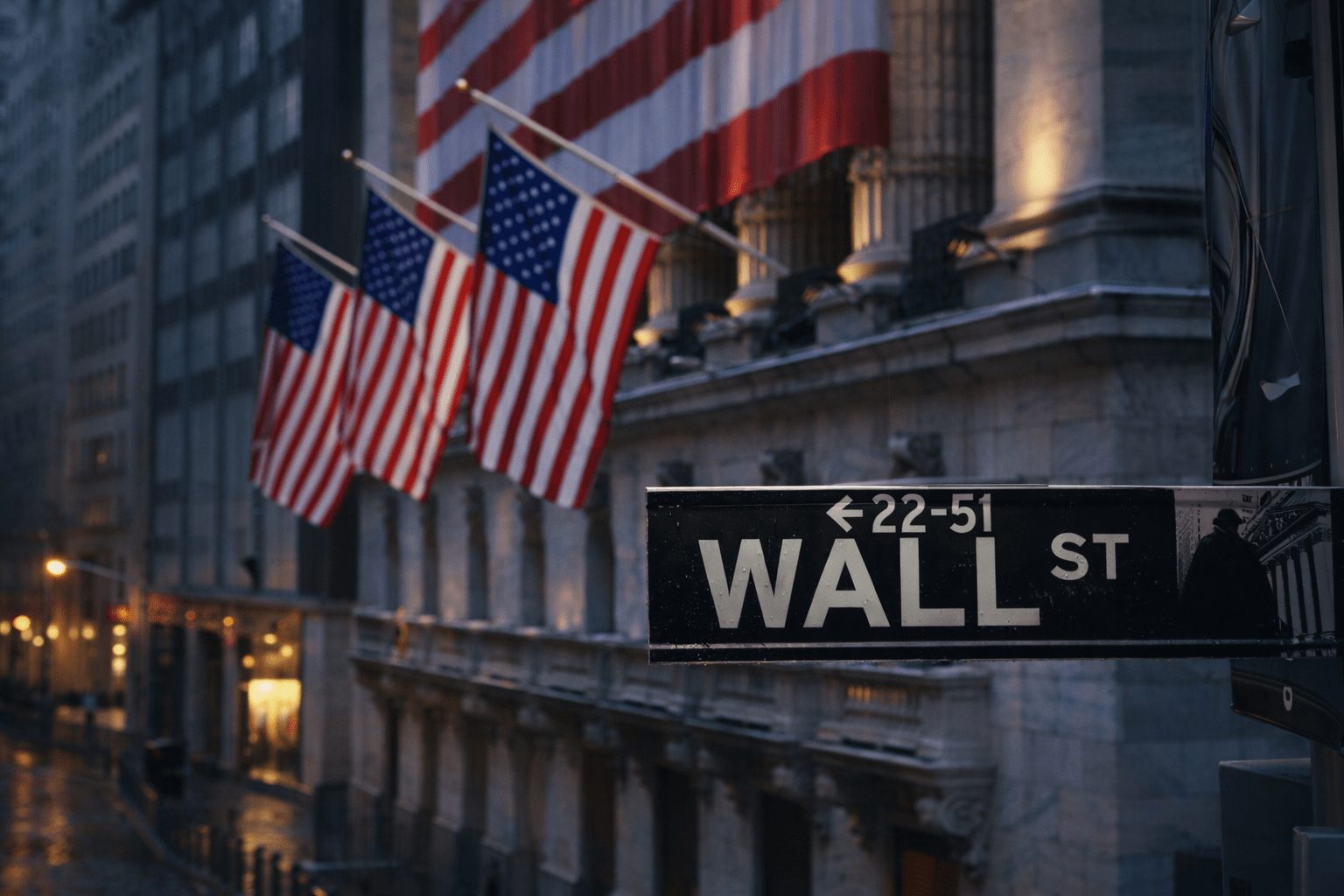
Wall Street rallied hard Tuesday, snapping higher as traders latched onto hints that Washington might opt for a muddled resolution to the Iran standoff instead of holding out for the Strait of Hormuz to clear. The S&P 500 surged 2.91% to 6,528.81, while the Nasdaq spiked 3.84% to 21,592.47. The Dow climbed 2.47%, adding roughly 1,125 points to finish at 46,334.83.
The rebound landed just after a rough March, when oil prices, rising bond yields, and a fresh wave of inflation jitters hammered markets. Earlier in the week, the Dow and Nasdaq both dropped into correction—off more than 10% from their recent peaks—while the S&P 500 teetered on posting its harshest quarterly loss since 2022.
A Wall Street Journal story set things in motion, reporting that President Donald Trump had told aides he’d consider wrapping up the military campaign even if Hormuz remained mostly blocked. There were also unconfirmed claims that Iranian President Masoud Pezeshkian might agree to end the conflict under certain terms, sparking relief. Still, Trump hit back at Britain and France for skipping out on the campaign, pressing them to show what he called “delayed courage” and handle their own oil security. Reuters
This isn’t just background noise—Hormuz is the artery for about 20% of global oil and gas. On Tuesday, crude prices jolted after Iran struck and torched a tanker near Dubai: Brent spiked past $118 a barrel, then the following month’s contract tumbled back down to around $104–$105. That took some of the heat off equities, though U.S. gasoline still punched through $4 a gallon.
Bill Northey, senior investment director at U.S. Bank Wealth Management, pointed to “speculation around an earlier off-ramp.” Robeco’s Colin Graham, who heads multi-asset strategies, added that markets were currently taking Washington “at their word,” but had yet to consider what might happen if the shooting stops while the strait stays shut. Reuters
Tech and growth stocks powered the rebound. Communication services and information technology led S&P 500 sector gains. Marvell Technology spiked after Nvidia’s $2 billion investment in the chipmaker. CoreWeave rallied too, fresh off an $8.5 billion loan. Airlines and cruise stocks also moved higher as oil prices eased.
Optimism swept across Asia-Pacific, lifting Australian shares ahead of Wednesday’s open. ASX 200 futures climbed 108 points, or 1.3%, around 4:45 a.m. AEDT, tracking Wall Street’s rebound and a drop in oil prices.
The risks haven’t disappeared. Trump’s messaging keeps shifting—on one hand hyping up the prospect of a deal, then on the other threatening to “obliterate” Iran’s energy plants. The Dubai tanker incident underlined just how vulnerable shipping still is. Ole Hansen at Saxo Bank flagged that if the Strait of Hormuz doesn’t reopen soon, prices could surge high enough to trigger “demand destruction territory.” And Stratas Advisors’ John Paisie? He’s putting a number on it: Brent heading for $190 if the waterway stays closed for a month. Reuters
The labor market’s in focus now. Government figures revealed that job openings and hiring both cooled in February. IG’s Tony Sycamore flagged Friday’s non-farm payrolls report as one to watch, especially after February payrolls dropped by 92,000 when markets hadn’t seen it coming. Interest-rate traders are currently factoring in about a 25% chance of another Fed hike by year-end.