
PERTH, April 1, 2026, 04:12 AWST
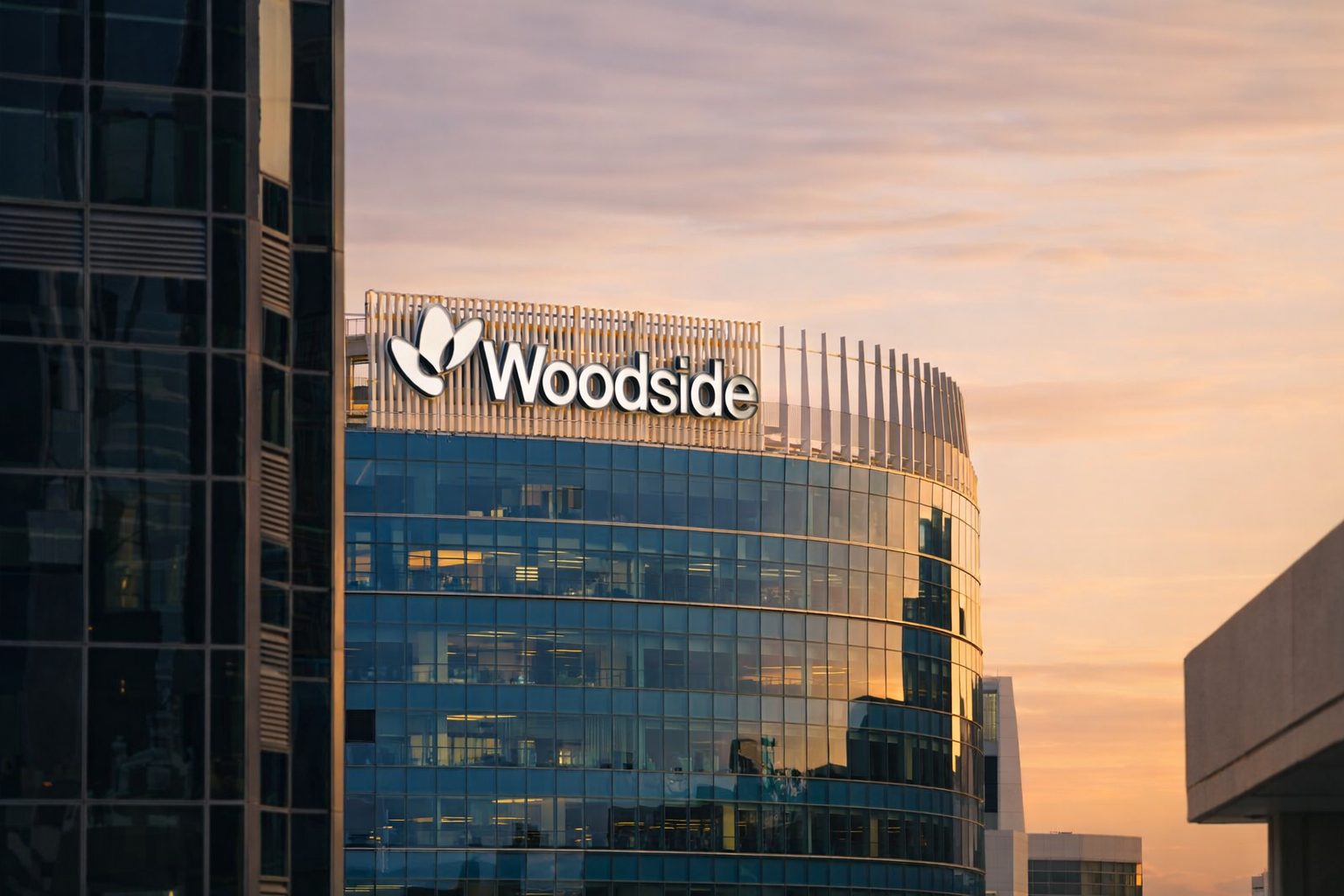
Woodside Energy pulled its Browse carbon capture and storage plan from Australia’s federal approval track, opting instead to resubmit under updated environment laws. The move keeps a key element of the Browse gas project’s emissions strategy in play. “The new rules allow a revised referral,” a spokesperson said March 30. Reuters
This is significant: Browse is planned as the supply lifeline for the decades-old North West Shelf LNG plant in Western Australia, which secured federal approval last year to keep running until 2070. The timing is notable—just days ago, Cyclone Narelle knocked production offline at Woodside’s Karratha gas plant, the main onshore facility for the North West Shelf.
Carbon capture and storage—CCS—refers to capturing carbon dioxide and pushing it underground instead of letting it escape into the atmosphere. Browse gas holds up to 12% carbon dioxide, and Woodside projects the plan would send as much as 4 million metric tons a year back into the Browse reservoirs. That would trim Scope 1, or direct, emissions from the development by 47%.
The reset is being driven by the Environmental Protection and Biodiversity Conservation Act, Australia’s primary federal environment law. Under government guidance, reforms that passed in November 2025 and started rolling out in February gave project assessments more flexibility. Approval holders now have an option to surrender existing approvals if significant changes require a new application. Woodside says it plans to resubmit the Browse CCS referral “as soon as practicable.” DCCEEW
According to project materials from Woodside, the broader Browse-to-North West Shelf proposal remains under review within both Commonwealth and Western Australian environmental channels. CCS is integrated into the offshore plans, the company notes, with about 900 km of pipeline slated to carry Browse gas to the Karratha facility.
That puts the spotlight on chief executive Liz Westcott, who took the role in March, as she faces the task of pushing Browse from concept to a bankable project. Gordon Ramsay at RBC Capital Markets described her as a “low-risk appointment” with an emphasis on execution. Westcott herself has pointed out that Browse won’t progress until strong commercial agreements are in place and Woodside has the needed environmental approvals. Reuters
Woodside isn’t the only one navigating CCS approval changes right now. Inpex flagged in January that it would resubmit its Bonaparte carbon-storage application after legislative tweaks are settled. As for Chevron, Reuters noted its Gorgon CCS site—one of the country’s few in operation—stored 1.3 million tons of CO₂ during the latest period, well below its 4 million-ton yearly capacity. That’s exactly the kind of gap that makes CCS both a compliance hurdle and a risk for Browse.
The refile skips over the tougher issues. There’s still no detailed schedule from Woodside on when the new filing lands. The broader Browse project is also waiting on both state and federal sign-off. Australia’s checkered CCS history means there’s little tolerance for delays once construction gets underway. Westcott has made it clear: Browse has to look investable before Woodside can greenlight the project.